
What Life Was Like for a Male Concubine in Ancient Greece
A brief look at one of the darkest sides of ancient Greek Society.
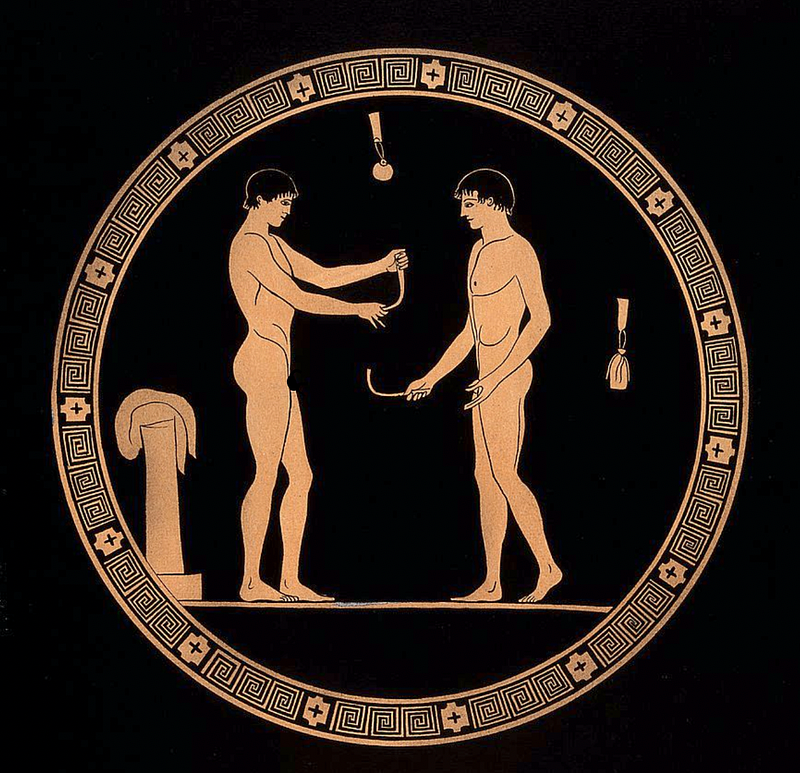

Ancient societies are notorious for their questionable practices and societal norms. In many of these societies, it was common for the married people of the elite class to have concubines (mistresses/partners besides their spouses).
It was a status symbol and a means for unrestricted sexual gratification. Many influential figures of Ancient Greece were known to have one or two concubines readily available to fulfill their urges.
The practice was widespread, but what’s especially interesting is that Ancient Greece also had many male concubines. The lack of discussion surrounding these men makes the subject so intriguing.
The duties of male concubines could be considered borderline enslavement. They were put through abuse, trauma, and sometimes, even death. Regarding relationships, the ancient Greeks believed one should not hesitate to show love or compassion to the other. Thus, having concubines back then was not regarded as the questionable or dishonorable practice that it is today.
The Young Concubines Were Called Catamites
One might be led to believe that male concubines were there just for the sexual gratification of married women of the era. However, this was not the case, as even male concubines were primarily kept by powerful men of ancient Greece. Their relationships would usually consist of an older aristocratic man and a young male concubine.
The concubines would provide them with sexual favors in exchange for their mentorship. Opinions and traditions varied considerably from one city to the next. However, male concubines were kept by most ancient Greeks across the board.
The young boys who were designated as concubines were called “Catamites.” Some were even kept as prisoners to act as props in homosexual displays and activities. The practice was so widespread that even great Greek philosophers like Socrates are known to have been attracted to and enjoyed the company of beautiful young men.
I believe revelations like these highlight the fact that famous historical figures probably weren’t the idealized versions of them that we’ve dreamt up in our heads. They were just as human as us, with their own needs, urges, and guilty pleasures.
Cities like Sparta actively encouraged homosexual relationships between young boys and men. At the same time, there were exceptions, like the city of Athens, where laws were passed to ban homosexual activities and sodomy — perceived as unnatural and taboo.
The Concubines Were Sexually Assaulted
Catamites were kept behind the walls of the palaces of influential people who did as they pleased with them. They were responsible for entertainment at parties and acting as sexual partners for male household members.
With how society was structured in ancient Greece, people of higher status and wealth had a free pass to impose their will on those of lower rank. Even though sexually assaulting or forcing yourself on a free person was a serious crime that could carry the death penalty in Ancient Greece, concubines were another story.
They weren’t recognized as free people, due to which their owners could get away with heinous crimes like rape or forced intercourse. This lack of accountability and corruption in the ruling elite is a recurring theme observed in many ancient societies of the past. In this way, the rich and influential class could evade prosecution for crimes ordinary people would be punished for.
Slaves had no rights, and their bodies were mere objects to their owners, devoid of civic power or autonomy. However, pinning down the exact status of concubines is difficult, mainly because it is so fluid.
Granted, slaves did not have the legal rights that free citizens enjoyed. However, their social positions could differ significantly depending on how well-off their older partners, called erastes, were. Some of the more prosperous erastes guaranteed their concubines a minimum level of financial security and physical safety.
In the practice of paederasty, the younger, passive partner was known as the eromenos. The eromenos were required to show them respect and a high level of regard for their knowledge about social interaction and intellectual matters. The erastes served as role models for the eromenos, who sought to become more sophisticated by imitating their virtues and practices.
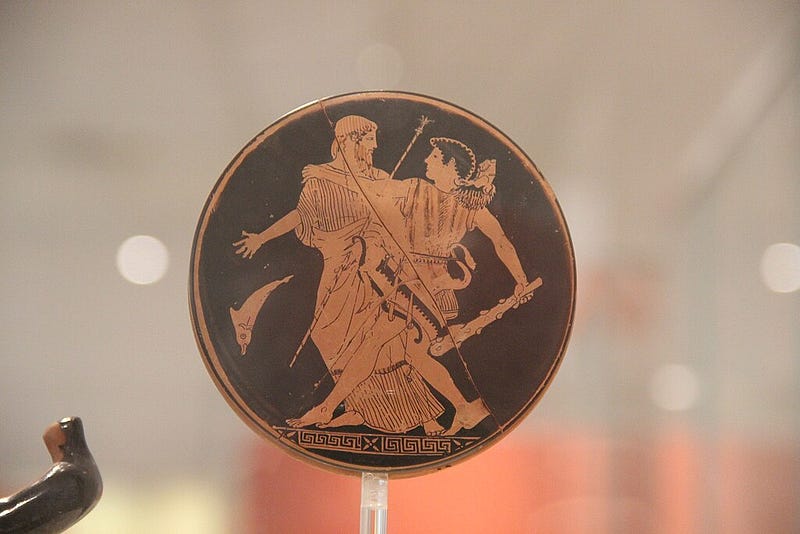

Their Relationships Were Not Publicly Recognized
Power dynamics, societal standards, and individual situations shaped the lives of the concubines in Ancient Greece. The relationships were supposed to not only provide them with mentorship but also emotional support and companionship.
Yet, some erastes would disregard the emotional status of their concubines in favor of physical intimacy. This neglect often resulted in the concubines feeling isolated or emotionally vulnerable. Their sense of self-worth was diminished to being a source of pleasure for their erastes. Such was their helplessness that they could not fend for themselves or support themselves financially, so many of the concubines would have no other option but to let themselves be taken advantage of.
The submissive men in these relationships were considered to have taken on the role of a woman. The concubines faced social isolation as their relationships with older men were not publicly recognized or celebrated.
The social humiliation of being a male concubine added another layer to their misery and victimization. On top of all this, there were no institutional support systems for male concubines to seek help from, be it psychiatric or legal. Their plight was largely ignored as they suffered silently.
I cannot help but feel for the concubines who found themselves isolated and distressed. Their struggles represent much of what was wrong with ancient society and the concept of social hierarchies. The corrupt and self-indulgent nature of the elites ruined many lives, and their lack of concern for the concubines shows just how wretched money and power can drive people to be.
The Concubines Couldn’t Escape Harmful Relationships
Escape was difficult for concubines in relationships where they were abused or sexually assaulted. Removing themselves from dangerous situations was easier said than done because of their lack of options. Their financial dependence on the erastes, lack of legal rights, and limited support from social networks meant that they were often trapped in vicious cycles of abuse and mistreatment that likely brought them a great deal of internalized shame and feelings of worthlessness.
In some of the more extreme cases, the “puer delicatas,” or enslaved children used for bodily satisfaction, could even be castrated and dressed in women’s attire to enhance their feminine features while suppressing their masculine ones. This kept the young males looking passively appealing to their older partners.
Thankfully, the castration of enslaved people against their will was eventually outlawed by the Senate in light of the increasing traffic of enslaved people for sexual enjoyment. Although it’s abundantly clear that the Greeks paid little attention to the physical traits of their romantic partners, same-sex marriage was not socially acceptable in ancient Greek culture, especially when Christianity entered the mix. Eventually, as the religion spread, the practice of taking in male concubines was demolished as a whole.