
What I’ve Learned From Some Genuine Heroes
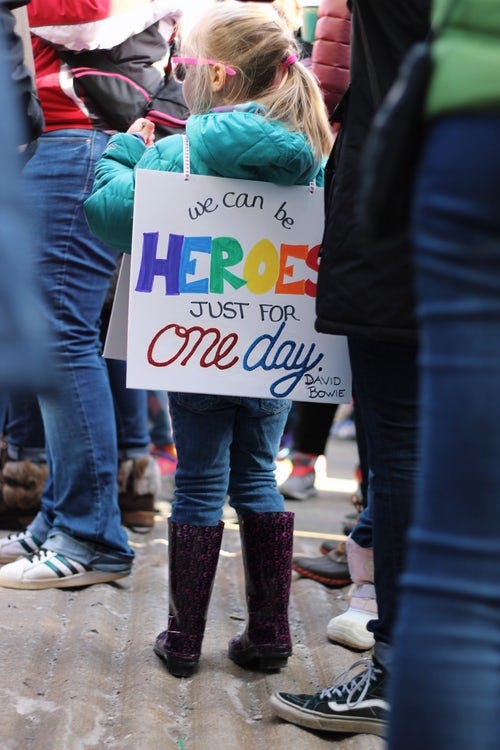
I’ve known a number of honest-to-goodness heroes over the years, having worked in national defense/intelligence for over a decade, traveled the world on my own as a civilian, and spent plenty of time having drinks with the hometown people who make the world spin around.
One day, a few years ago, I decided to put down in words what I actually thought a hero was and was not, in order to see if anyone shared my feelings.
To my knowledge, it’s not ever had the opportunity to be published, but it has been shared by some proud folks and inside some military units. I hope you enjoy it, and I hope that there’s someone with whom you can enjoy sharing it:
Heroism, at its true heart, is not glamorous. It is not kind. It has nothing to do with smiling faces, parades, or gratitude. True heroism lies within the absence of these things.
True heroism is the willingness to do what is ultimately best, regardless of reception or acceptance. It is the willingness to suffer the disapproval and disgust of those one loves most — those from whom we most seek approval — in order to do what is in their best interest.
True heroism is rarely rewarded with thanks and often met with criticism. Heroism is the willingness to endure what others cannot or will not.

True heroism is the courage to stand alone in rejection — a proud pariah exiled by those for whom the hero lives.
The hero is not popular or appreciated; the hero is necessary and despised. The hero is willing to do the unthinkable and to humbly accept the damnation that follows.

It is not easy to be a hero. It is only romantic in a cruelly solitary sense. It is an unrequited love for a disapproving world.
The hero is not one who is able to ignore or deflect pain, sorrow, and tragedy, but one who is willing to absorb and suffer it — to contain it wholly — a vault from which the hero will not allow it to escape and affect others.


