
What I’ve Learned From Being In Isolation With My Teen
This experience has taught me a valuable lesson about what it means to parent a teenager.

These days, it’s just my daughter and me during the day. My husband is an essential services guy, he’s still working. So it’s just her and me. The 13-year-old lady of my life and me home. All-day. Every day.
She and I don’t always see eye to eye and we both like to be left alone, but I find myself having to steer her ship more than usual.
Ordinarily, on weekends and holidays, we let her get on with her days. She’ll paint and fart around in her room quite happily for hours.
So, I let her hang loose for the first week of isolation.
Usually, my home is filled with toddlers, so I don’t have much brainpower to throw my daughter’s way even when she’s here. I think she prefers that.
She has a couple of friends in particular whose houses she goes to a couple of times a week after school. Since she is an only child, she needs to have close friends.
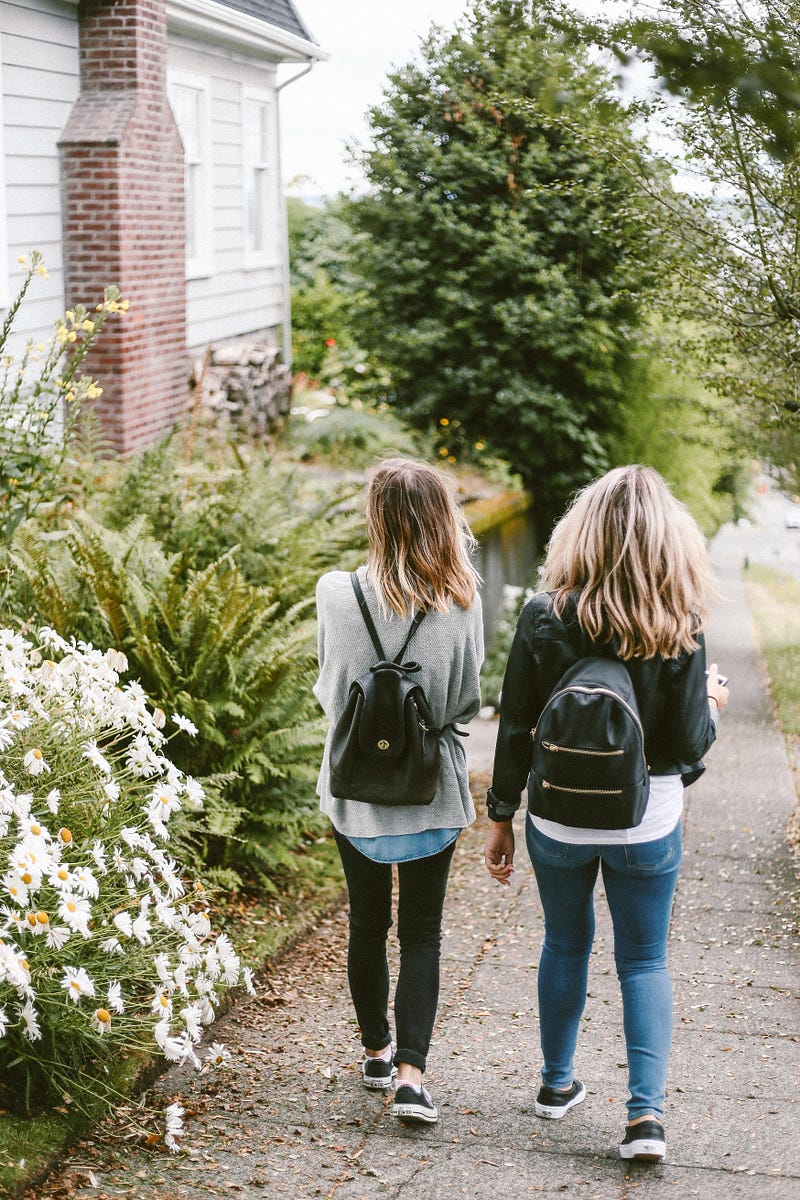
She is also close to these families. They are lovely people, and we are happy that they’ve welcomed her as one of their own.
The separation has probably been harder on her than we think. The mother of one friend texted me that her daughter is also pining for some interaction.
In the “before times,” my daughter did her thing most days, and as long as we know where she is, we don’t mind that she does. We know she can be trusted.
So I’m used to being a hands-off parent who keeps in the loop from a distance. I am more of an overseer than a micromanager at this point.
But at some point this week, I realized that prolonged weekend living was not great for her. I thought if I left her alone, she’d level out to some routine of her own, but I was wrong.
I ran into another one of her friend’s mothers at Walmart last week. As we had our pleasant, socially distant chat, she told me how she was getting her kids up early and getting them moving and keeping them on a schedule.
I left that conversation full of self-loathing and shame. Entirely resigned to the fact that I am letting my daughter down in this time of uncertainty.
Managing teenagers is foreign territory for me, and I am the first to admit, I’m not very good at it.
My daughter is at a point, like most teenagers, where she thinks she knows best. I get under her skin more than her father, and she chafes when I tell her what to do, but tell her I must.
I’m balancing on the tightrope between nanny and personal secretary trying to keep her on track without being in her face.
The online classes have helped; she can get up a little later than usual. We let her sleep until 8:30, and she gets online at 9:00.
She does school work until it’s all done and then takes a break. Today it was an hour to eat something and unwind.
Then I’ve assigned some reading. She does 2 x 1/2 hour stints of reading, with a 15-minute break in between. She pushed back hard at this, but I am convinced that she can not live on funny YouTube videos alone.
The only book I had kicking around that was fiction was The Hobbit, so she’s reading that. It ‘s a good read, engaging, and challenging, so it’s not bad for a fallback.
She has to give me a verbal synopsis of what she’s read to show that she’s absorbed it. We enjoyed the LOTR movies, so I know she will get into the story at some point. She’s never had a love of reading, I’m hoping this will spark something in her.
After she reads, she gets some free time. Today she had a nap (so did I, later on, we were both tired for some reason), and then we went for a drive in the country. We visited another town where we looked at historic houses and mused about which ones were haunted.
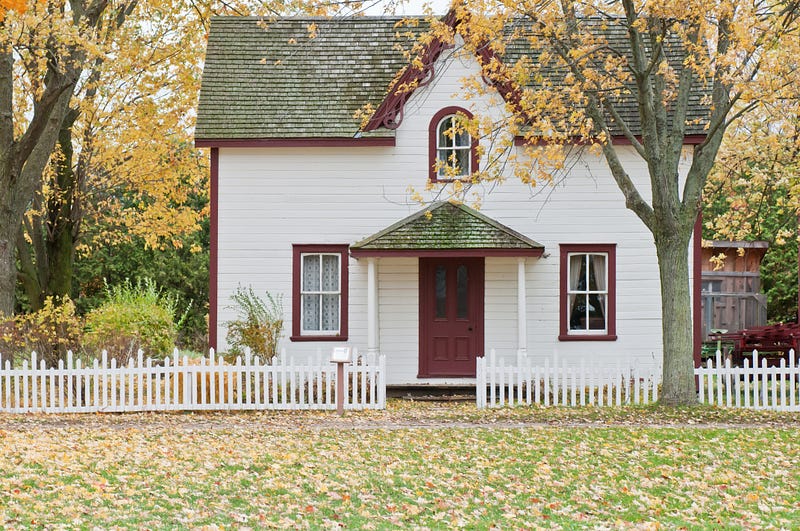
She pushed back against this drive, but she was maudlin when we left and cheerful when we got back, so I know it was the right call.
Then we came home, and I had a nap, and she had free time.
When her dad came home, she did her job (unloading and loading the dishwasher), and then we ate dinner.
After dinner, we went for a walk — nothing special, just about 20 minutes around the neighborhood.
After that, we came home, and she had some time to herself and then she practiced her instrument from 10–10:30 pm, she likes to practice late at night, I can’t blame her, I do too. Sometimes I don’t get started with my practicing until 11 pm or so on the weekends.
So now it’s 10:30, and she’s going to have some free time and then bed at 11:00
She resisted my implementation of this routine, but now I’m glad I’ve done it. She needed the structure.
My daughter has always been a child with a sunny disposition, and I take for granted that she is resilient and optimistic. But this isolation is wearing her down more than I thought.
I thought if I left her alone, she’d be happier — after all, aren’t all teens happier without their parents meddling in their lives? But I now I see that she was struggling, going farther and farther inside herself and losing some of that shine that she usually has.

She’s not one to talk about her problems, so I automatically assume she is coping. But I’ve come to realize that even though children don’t always show us their anxiety if you look closely, you can see the cracks in the armor begin to show.
This has been a good reminder that just because she does not want my help anymore does not mean she doesn’t need it.
I will make sure this lesson isn’t lost on me after this is all over.
If you’d like to read more articles that uplift and enlighten, join us here on ILLUMINATION. Why not write for us? Bring your talent, courage, and insight. Share your story and let’s do something great!
Thanks so much for reading! If you enjoyed that you may also like these:


