
What I’ve Learned After Publishing 250 Clickbait-Looking Headlines
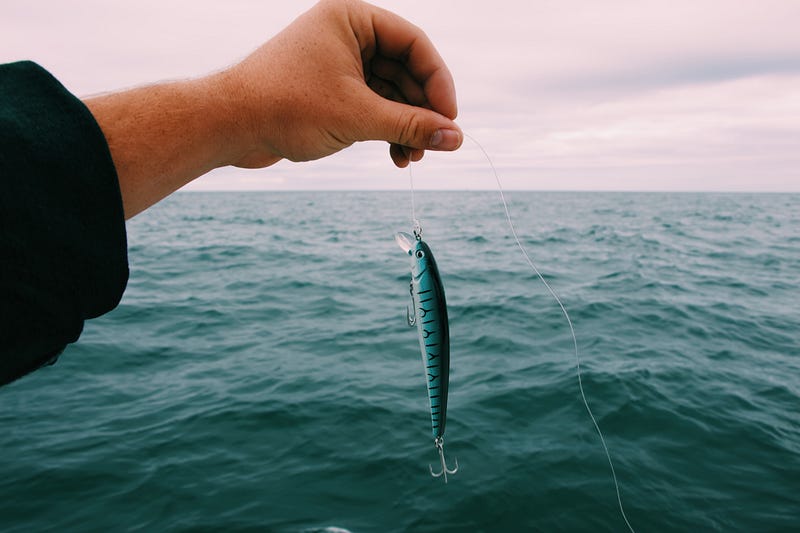
I’m a unicorn around here. I write clickbait headlines.
I’m not a unicorn because I write clickbait headlines — a ton of mediocre writers and wannabe’s use clickbait headlines.
No — I’m a unicorn because my clickbait headlines come with great articles.
I’ve been writing for over three years. In that time, I’ve gained millions of views and gotten nearly 100,000 email subscribers. Every week, I get comments from my readers saying how much my content has helped them, how much they’ve appreciated my work.
I know lots of writers who don’t like my work. I’ve seen webinars and trainings where people literally point to my profile as an example of how not to write articles. Editors have booted me off their publication because they don’t think my work is “authentic” enough.
Years later, I’m still breaking records each month for how many views I get, how many subscribers join my list, and how much money I make each month. Years later, these same writers and editors are either still getting no views, or stopped writing altogether.
After writing over 250 articles with clickbait-type headlines, I’ve learned a valuable lesson:
You should write more clickbait headlines.
You just better back it up with some amazing, incredible content that truly helps people.
Dare People To Click On Your Stuff
There’s a fun little story I like to tell that goes like this:
Years ago, I was a no-name blogger with no readers, followers, or money. I had a silly little website called StuffGradsLike.com where I wrote about post-college life, trying to help other graduates like me navigate through life.
No one ever read my crappy blog. Looking back, I don’t blame them. But one afternoon, I received an email from WordPress: someone had left a comment on an article I wrote!
A comment? Someone cared enough to actually write me a comment?? I was ecstatic. No one ever left comments.
But my heart was dunked into a bucket of ice water when I read it:
“This is the worst article I have ever read.”
I remember my forehead getting really hot. Beads of sweat started breaking out all on my forehead and under my armpits and down my chest. I was having a major physiological reaction to some blunt criticism.
I swore I’d never get a comment like that again.
I spent the next couple years publishing blog posts with one major underlying goal: don’t offend anyone. I ran all my posts through a filter in my mind: No one could ever criticize this, right?
The result: no one left any more mean comments. Hooray!
The reason? My blog posts were so bad, no one, not even trolls, cared enough to crap on me. Somehow, even less people read my stuff. By trying to please everyone, my content became the most boring, bland, useless content you could find online.
Now, I get hundreds of thousands of readers every month. I’ve learned a valuable lesson when it comes to writing online:
Write headlines so compelling, people have to click on it. Dare them to ignore you.
To be sure, you can overdo this. If you ever use phrases like “doctors hate this” or “one weird trick” or “hot singles in your area” I immediately know you are a subpar writer who’s relying on true spam to make money.
But most writers, afraid of looking like these hacks, shy away from writing headlines that sound too clickbait-y. But they’re falling into the same trap I did for years: they’re acting out of fear, out of being labeled a phony. They’re letting their critics call the shots.
Eventually, I said screw my critics. I’m going to write some really damn great content. So I did. But in order to get people to actually read it, I had to have excellent, world-class headlines. I had to study the psychology of sales and clickbait; I had to learn how to write headlines people actually clicked.
My reward is a 50 to 60 percent read-rate (the percentage of readers who actually finish my articles after clicking on it), which is extremely high for online content.
My reward is gaining tens of thousands of loyal email subscribers who constantly tell me they love my work.
My reward is finally feeling like a real “writer,” and not just some guy with a blog.
Dare people to click on your stuff. Make it hard for them to keep scrolling.
Facts Tell, Stories Sell
In his book, The Art and Business of Online Writing, Nicolas Cole (author with over 100 million views) described how he became the #1 writer on the entire Quora platform, a popular question/answer site.
“The most popular answers, the ones with the most views, upvotes, and comments, weren’t ‘answers,’ as much as they were stories. And the people with the most followers weren’t celebrities, but natural-born storytellers.”
If you want to be a famous, highly-paid, professional writer someday, you don’t have to be a celebrity. You don’t even have to have all the answers. You just have to understand that facts tell, but stories sell.
Unless you’re a literal statistician writing an academic essay, people don’t really care about your numbers and statistics — they care about you. Can you help them? Entertain them? Make them laugh, cry, or think? Can they relate to you? Can you help them understand themselves more?
This is the essence of truly great writing, and it’s one of the most fundamental mistakes bad writers make. Sure, they might talk about themselves, but they aren’t telling stories. No one cares about your opinions on politics or social issues. They care whether you can help them or not.
You help people through your stories. If you can tell better stories than your competitors, you’re going to get more readers.
You can tell better stories if you know who you are and what your struggles are.
Are you a total amateur, documenting the difficulties of your journey?
Are you a veteran, instructing others on mistakes to avoid?
Are you a sage who’s made 10,000 mistakes and has finally found enlightenment?
Who are you? And why should we care?
If you can’t answer those questions, you won’t be a successful writer.
Facts tell. But stories sell.
You might not think you’re selling anything — a product, a service, an online course.
But every time you publish something on the internet, you’re selling you. And if you don’t know how to sell, you’re never getting anywhere.
I Read a Horrible eBook the Other Day
The other day, I bought two eBooks from a popular men’s lifestyle blog. One was about building charisma and the other was about developing resilience.
I read the one about charisma, and I couldn’t believe how bad it was.
It was the most bland, boring, cookie-cutter, cliché book I’ve read in a long time. Just truly bad. It was like the author just wrote every piece of traditional advice he’d ever heard about being charismatic (“Smile more! Do the Superman pose before a job interview! Look people in the eye!”), dumped it into a PDF, and slapped a price tag on it.
Now, I don’t really mind reading bad books here and there. I think they’re excellent lessons in writing, and what not to do. Once you realize you can learn something from everyone, you get a billion teachers overnight.
The reason the eBook was so bad was because it was empty. It was hollow, lifeless. It had no stories, just trite common-sense sayings about confidence and overcoming adversity. Anyone could’ve written that.
Great writing teaches those same clichés through stories. The psychology here is extremely important: if you can’t get people to relate with you, it doesn’t matter if you wrote a textbook detailing exactly how to make a million dollars. There are many textbooks in your local library that tell you that. But they’re bland, dry texts that no one wants to read. So no one does. Even though they could literally learn how to make a million dollars.
Never underestimate how lazy your readers are. That’s not an insult — they just don’t have time to sift through a ton of stuff to find the gold. They need to be interested and immediately relate to you. If they get bored, they’re gone. And people get bored very easily if there are no stories.
In Conclusion
After writing over 250 clickbait-type headlines, I’ve learned:
You can’t be afraid to sell.
The reason I can write headlines like mine and still get a ton of readers is because I always back it up with great content. I’m not afraid of writing those clickbait headlines because I know I can back it up. If a reader clicks on my article, they’re gonna get rewarded.
I’m always looking for new angles and new ways to write headlines people can’t help but click on. If I’m spending so much damn time writing great content, it’d be irresponsible of me to not ensure people read it as much as possible.
A lot of writers are afraid to walk this line. They think they need to be pure, untainted Hemingway’s and Woolf’s and Faulkner’s, because “real writers don’t sell.” That’s B.S. The best writers sell the most. As Robert Kiyosaki once quipped, “It’s not ‘best-author,’ it’s ‘best-selling-author.”
If you spend a ton of time writing truly great content, it’s your duty to ensure as many people read it as possible. That means studying headlines, and learning how to craft headlines that dare people to ignore you.
Even if they look a bit like clickbait.
Ready to Level-Up?
If you’re an entrepreneur and want to achieve your goals 10x faster, check out my free training.