
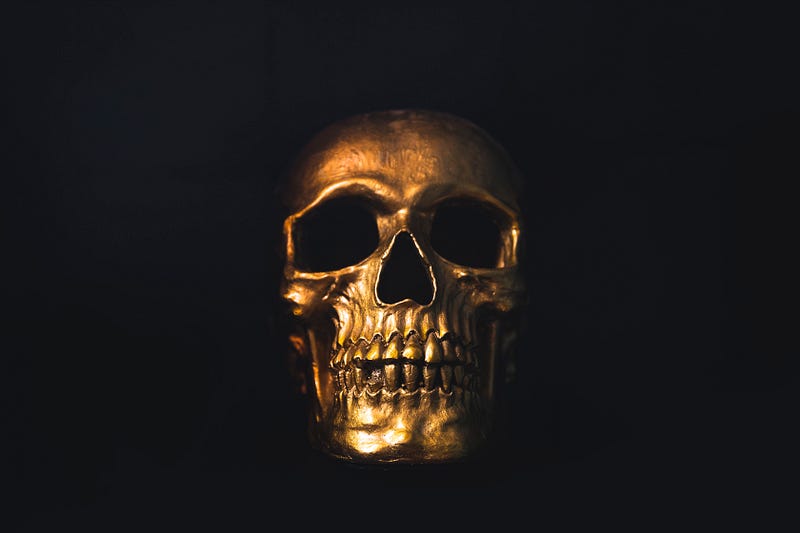
Suicide is one of those things that is talked about with a number of conflicting emotions. “He had so much to live for,” they whisper. “I had no idea he was so depressed!” others say. “How selfish of him, leaving everyone behind,” others chide, as if the ghost of the departed will be admonished from beyond the grave.
Then there are the people who have survived attempts, who maybe hate that they attempted, or hate that they failed. They seek help, or they try again, or they just spiral into the pit of depression that brought them to that point, or they find the thing to live for.
And then there’s all of us who have made plans, who have thought about their method, made arrangements for their pets and loved ones to be taken care of, written the note, prepared the means. Those of us who have felt Death’s shadow looming over us, waiting to take us to the next plane of existence, or maybe off into the void, whatever it is that waits for us.
For me, I started feeling suicidal when I was 12. Things are both much simpler and much more complicated when you’re in middle school, and it was all too much for me. I wanted to die. I discovered what major depression is and what bipolar is, started taking pills and going to therapy.
I also learned a lot from the older kids in my group therapy sessions. “Down the road, not across the street,” they informed me, drawing their fingers lengthwise down the vein in their wrists. “Going across means you’re just looking for attention. Going with the vein means you’re serious.” My 12-year-old brain soaked this new information up with the vigor of the over-eager middle schooler that I was.
By the time I got out of high school, I had learned a lot about suicide. I’d tried cutting myself and decided that I didn’t like it, so I probably wouldn’t be slitting my wrists. I figured a gun would probably be the most efficient way. In retrospect, it was probably good that my parents didn’t keep any guns around the house, else I may not be here right now.
I survived community college and moved to a four-year, only to change majors not long after getting there. Along the way, I stopped taking my meds at the advice of a friend, then started taking new ones at the advice of my doctor. I stabilized, finished my degree, and graduated at the bottom of the recession in 2009.
Eventually, I got a job as a grant writer and moved out of my parents’ house. I was stable on the new meds, less prone to the manic highs and awful lows that came with my bipolar, but still able to enjoy the racing thoughts that fueled my drive to write. I got another job, bought a house with my girlfriend, and got some cats.
Along the way, the spectre of Death followed. There were plenty of bad days along the way, plenty of days where I would end it all if I had the means. Meds and stability only go so far in preventing these thoughts without numbing you, and I’d rather be awake and suicidal than numb and happy. So I dragged myself through, reminding myself that there was plenty to live for and no really good reason to end it all.
There were good days too, days where I got a raise, the day I proposed to my now-wife, the day I got a dream job with my dream boss. On those days, Death stood nearby, always on hand. Things are good, he’d whisper. Why not end it all while you’re on top? Death was there for me on my best days as it was on my worst.
Eventually, Death became less like a dark spectre and more like a warm cloak on a cold day. I would go through a difficult time and resolve to power through, to be better, to emerge stronger on the other side, but suicide was always an option. When things were painful, there was always the option to take my life into my hands and end the pain. When my nights were sleepless, I could always sleep forever.
And, when life was good and all was right with the world, Death became a loving embrace to come home to. I would be on top of the world, everything going my way, but suicide was always an option. When things were good, the prospect of ending life on my terms, in my way, at the height of my happiness, felt like going to bed with a smile after the best day ever.
When things were out of control, Death was cold, calculating, and orderly, ready to re-establish my grip on things with the ultimate act of self-control. When life was going my way, Death was there to remind me that tomorrow could always be worse, but it doesn’t have to come at all. No matter what the problem was, Death was the solution.
I have talked to a lot of people who have been or are currently depressed or suicidal. Many of them share this outlook. Suicide is never far from mind, even at your best. It is always there and always will be, and accepting Death is just part of life.
I am committed to fighting my way through this life to the bitter end, and I have determined that the end will not be at my own hand. I have a lot to live for, a lot to do, and not enough time to do it. So I make the best of the time I have, writing, helping, doing my best, laughing, loving, and being there for the people who are in my life.
And as I travel down the road of my life, through the good times and the bad, Death walks with me, silently following at a distance, but close at hand should the need arise. And I quietly acknowledge his presence, offering my respects when he claims a friend or family member, having the hard discussions when a celebrity ends their life while paying tribute to the unmovable force of the universe.
Death takes us all, eventually, and he will come for me eventually as well. While I hope to go peacefully and quietly, I will not go willingly, though he may tempt me with the endless rest and comfort of the void. And so, I move through life, with Death always at arm’s reach, ready and waiting with infinite patience to claim me as he claims us all.


