
What It Really Means To Be A Life-Long Learner
And how it serves you as a writer and as a person
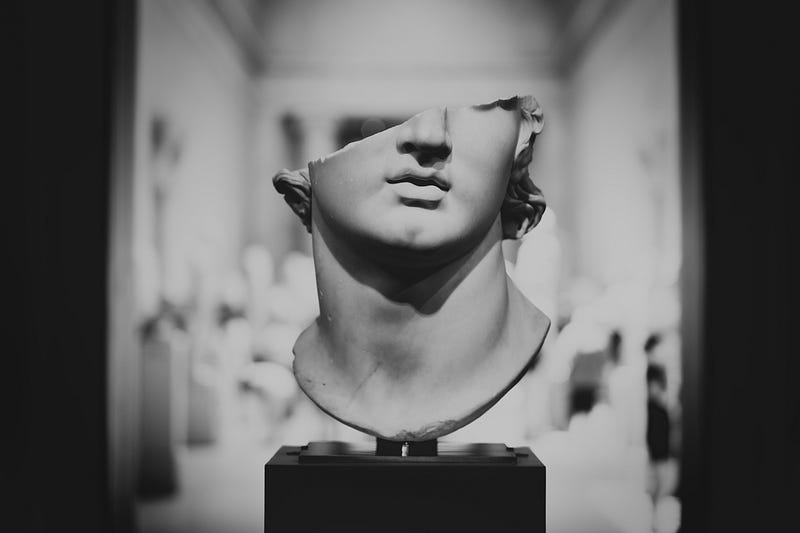
The more you know, the more you realize you know nothing. Socrates
Have you ever thought about the topics you write about, why you write about them, and more importantly, what more there is for you to learn?
As writers and as people, one of the best things we can do for ourselves is to admit how little we know and that anything we do know is just one small aspect of a subject. When you admit that, you give yourself permission to keep being curious and to keep seeking the what and why of any given topic.
Instead of this being a depressing admission of ignorance, it actually frees you to re-adopt a child-like mindset without shame or fear of judgment. It’s okay not to know and then just like a child following the puff of a dandelion seed on the wind, you follow your interests and see where they will take you. This is how to expand your understanding not just of a subject, but of yourself in relationship to the subject.
Following the subject crumbs
Recently I wrote about Canadian artist and author, Emily Carr. I started out with what I knew, which wasn’t very much. She painted the indigenous peoples of Canada’s west coast. Once I began to immerse myself in the research, I found out so much more about the person behind the art.
This information caused me to reflect on how her life experiences impacted her ability to create art and even her thoughts about success. And then, I couldn’t help but think about my own ideas of success and even perseverance in comparison to her life journey.
As a lifelong learner, this is almost always the way it goes. You’re learning about something and at the same time, gaining insights about yourself and other people.
Honoring Your Lack of Knowledge
When you combine your curiosity with humility about what you don’t know, you open yourself to new information and new understanding. You become a human collector of information, whether that’s from books, conversations, or other media. In writing about Carr, I wanted to explore the woman behind the success. What were her experiences and how did she navigate them?
There were so many things I didn’t know about her and that’s an incredible bonus as a writer. Instead of taking the basics and running with those, embracing the fact that I knew very little, was exactly the motivation I needed to do the research. And to stick out the writing, because sometimes, you get to the messy middle and you want to stop and do something easier.
As you gather and digest new information, it becomes a part of your knowledge base and has a tendency to spark other ideas for eventual writing topics. What you don’t know serves as the best springboard for what direction you’ll take next. And, once you choose a new topic, you’ll once again face the reality of all that you don’t know.
As a lifelong learner, you’ll pass everything through your existing understanding and perspective. Yes, it’ll be through your lens, but that’s true of everyone. Then, once added to your personal well of knowledge your writing serves your readers and their newfound knowledge because of what you’ve presented to them.
As a writer, one of your gifts is to collect information about unrelated topics and then piece them together into something else. If you can approach it with excitement and acceptance that you may need to discard old ideas or add a new perspective means that your writing and your personal life will benefit exponentially.
The link between happiness, professionalism, and lifelong learning
Imagine if through your research you finally understand why a painter felt like a failure, despite her success, would this new information change how you thought about yourself or others? It’s possible, don’t you think, that might change future conversations or interactions on a related topic?
Becoming a lifelong learner doesn’t just make your writing better, it also makes your personal life better. Every time you decide that there’s more for you to learn gives you another chance to connect with others differently. It might be through your writing, but it could also be in your relationships.
To be a successful writer and dare I say a happier person, means knowing that you’re always going to know far less than what’s possible to know. It’s also about being open to learning more. While you do, you’ll keep doing your best to deliver your knowledge so that your reader can grow in their understanding of the world and perhaps themselves.
This is why adopting the attitude of lifelong learning doesn’t just add to the creation of a more interesting life for you but is an invaluable asset to your readers. You’ll write and live based on the knowledge you have now, with full acceptance that over time it will change. This begs the question when you approach something you don’t know, will you be satisfied with your surface information or choose to dig deeper and expand your knowledge?