
What it means to be an LGBTI refugee
Right now, someone is fleeing for their life because of their gender identity, sexual orientation or sex characteristics.
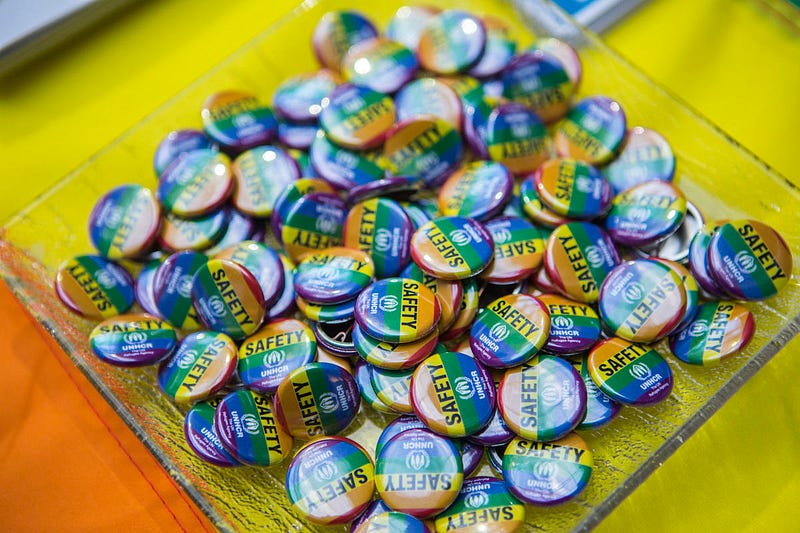
There are some 26 million refugees around the world who have fled war, violent conflict or persecution. Under international law, anyone with a well-founded fear of being persecuted based on their race, religion, nationality, political opinion or membership in a particular social group must be protected as a refugee.
Guidelines issued by the UNHCR, the United Nations Refugee Agency, have considered people targeted because of their gender identity, sexual orientation or sex characteristics to be entitled to such protection.
Sometimes LGBTI refugees are victims of their government’s draconian laws. Other times they suffer at the hands of fellow citizens, or their own families — and their government stands idly by or even participates in the abuse.
On May 17, the International Day Against Homophobia, Transphobia and Biphobia, UNHCR answers frequently asked questions about LGBTI refugees — and introduces you to some of those who had no choice but to run.
Q: What categories of sexual orientation or gender identity are protected under international refugee law?
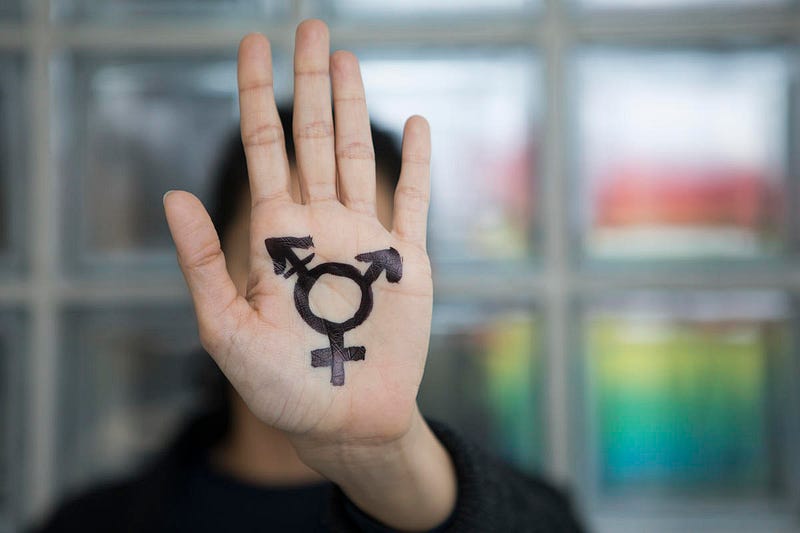
A: Anyone who is fleeing persecution based on sexual orientation, gender identity or sex characteristics can be a refugee. That includes people who identify as lesbian, gay, bisexual, transgender or intersex (born with sex characteristics, such as genitals, gonads and chromosome patterns, that do not necessarily fit into binary notions of male or female bodies). These terms do not necessarily describe everyone (and different languages have different terms) but the labels do not matter in refugee law. Those seeking protection only have to establish their fear of persecution because of gender identity or sexual orientation, however they define it, or even only perceived gender identity or sexual orientation.
Q: But I thought refugees were people running from war?
A: Some LGBTI refugees are fleeing war or violence in their countries, and their being LGBTI is not the primary basis for their claim to protection — it may be completely unrelated. Others flee solely due to persecution they face for being LGBTI.
“I became the gay guy. The open one, the proud one and the politicized one. Was it frightening? It was. But it was also a reassuring act of claiming my own space, of becoming visible, nevertheless exposed…We are stronger than anyone else! It is essential for LGBT people to be strong if we want to overcome everyday fears, the re-enactment of our trauma, the panic from being discovered, bullying and humiliation. IDAHOT is a humble reminder to everyone of those of us who are living under oppressive regimes, their need for constant vigilance and their fear because of the mere fact of being who we are. It doesn’t matter whether or not you are a visible member of LGBT community. What matters is the very fact that what makes us vulnerable also makes us stronger.”
— Evgeny is an LGBT-activist and researcher from St. Petersburg. In 2018, he was forced to leave Russia. In 2019 he was granted international protection in the Republic of Ireland, where he now resides.
Q: What might be considered persecution on the basis of sexual orientation or gender identity?
A: More than 70 countries have criminalized same-sex relations, and it is punishable by death in some. Others have adopted laws that discriminate against LGBTI people or that the authorities use to persecute LGBTI people, such as vaguely written public indecency statutes. The International Lesbian, Gay, Bisexual, Trans and Intersex Association has published a map showing sexual orientation laws around the world.
There are also well-documented cases of governments that are unwilling or unable to protect LGBTI people from targeted violence at the hands of criminal gangs, for example, or even local police. People fleeing such conditions must be protected as refugees.
“I was born again in Spain. For the first time, I feel secure, more accepted. I have been to meetings, workshops and even on the radio to tell my story. I want to show, with my testimony, that there are options. To everybody who has suffered persecution due to their sexual identity as I have, I would tell them that they are not alone. There are lands of opportunity, inclusion and acceptance.”
— Kemdra, 30, is a nurse, refugee and transsexual woman from Honduras. She was forced to flee in 2017 and was granted asylum in Spain.
Q: Does every country accept LGBTI refugees?
A: The guidance from UNHCR is clear: International law recognizes this as a valid claim for asylum.
Most people seeking refugee status are immediately granted protection based on the situation in the country from which they fled rather than on an individual claim. Some of those seeking protection based on an individual claim have done so citing persecution on the basis of sexual orientation or gender identity. Most cases of these kind have been made in Australia, Canada, Europe and the United States. The courts in these nations have generally agreed that the 1951 U.N. Convention Relating to the Status of Refugees protects people fleeing violence or persecution on the basis of sexual orientation or gender identity.
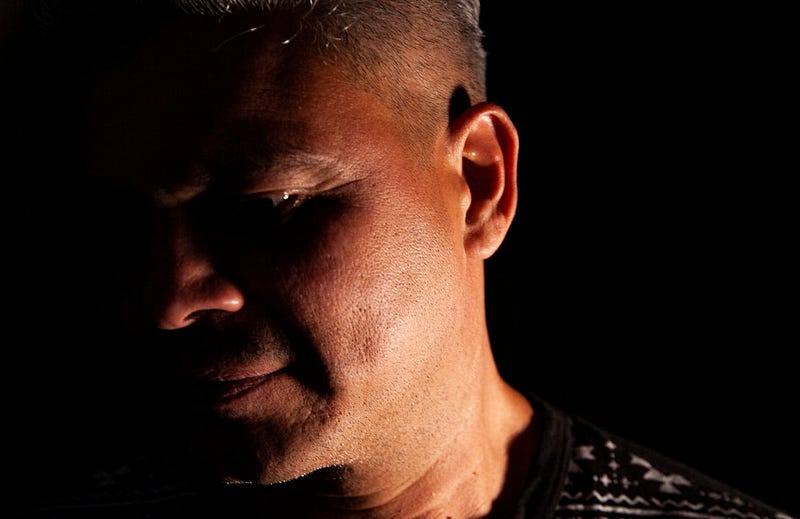
“They [the gang members] insulted me, beat me and the last thing is what prompted me to leave. They told me they had one bullet in store for me, that I’d be killed just as my friend was. I always carried a backpack with me. They told me they’d fill it with drugs and make sure I was taken to prison, where they would take care of me. I was afraid. A gunshot then and there would have been better than going to that prison.”
— Oscar, 47, is an LGBTI activist who was forced to flee Honduras. His friend, a lesbian, was killed. He said police refused to protect him from gang members. He now lives in Guatemala.
Q: How many people have applied for protection as refugees on this basis?
A: UNHCR does not have global numbers on this. Governments are struggling to process a backlog of refugee claims and have not compiled detailed data. At the same time, case records sometimes only note that an applicant is seeking protection under the “particular social group” (or in very rare cases, political opinion or religion) clause without specifying gender identity or sexual orientation.
Q: What does UNHCR do to help a refugee who is LGBTI?
A: UNHCR is committed to treating all people with respect and dignity and requires staff to adhere to a code of conduct. We invest in training staff and partners on this issue. We are always striving to do better.
Unfortunately, LGBTI refugees often face the same threats in their country of asylum as they did back home. But UNHCR works to ensure that they are safe and have access to their rights and essential services, such as health care, wherever they are.
Q: How does UNHCR help LGBTI refugees start over?
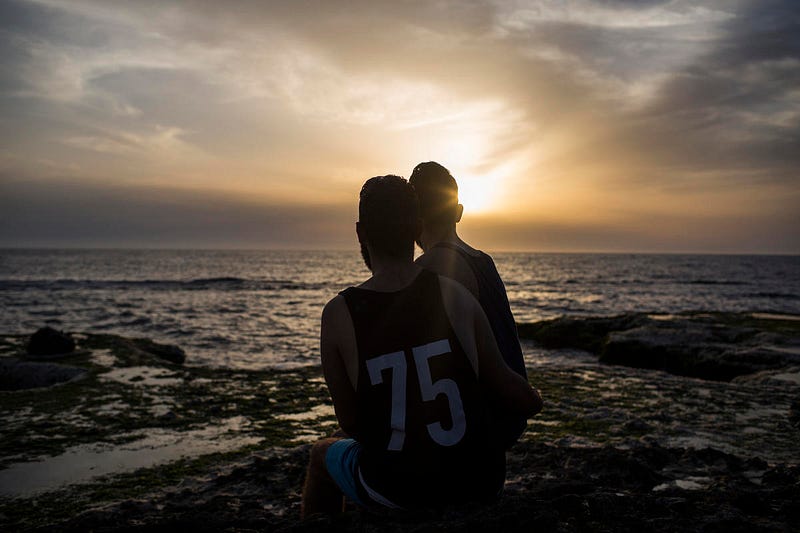
A: There are different ways we try to help refugees to resume their lives. They can be integrated into the host country where they have fled, where we work with governments and partners to help them access services and rebuild support networks. They can be resettled to a third country. They can return home if conditions improve enough that it is safe for them to do so. Sadly, no matter how much we and our partners work to find a solution, many LGBTI refugees simply don’t have access to any of these options. In that case, we try to make sure they have access to the services and help they need wherever they are.
For LGBTI refugees, resettlement in a third country can sometimes be the safest option. Unfortunately, fewer than 0.5 per cent of all refugees are resettled in third countries, and the number continues to shrink as governments around the world cut back on how many they are willing to accept.
“I got a call from [a UNHCR partner]. I would get humanitarian assistance, some basic items to start my life. I felt relieved because I was safe, away from home. I got a job and out of the shelter. It came at a good time because I had become so sad. It’s not easy to leave everything so suddenly and start over. In time, I learned to adapt and enjoy it here in Guatemala… I only wanted out, no matter where I went.”
— Valeria, 27, is a Salvadoran transgender woman who sought asylum in Guatemala two years ago. She now works as a hair stylist and also teaches hairdressing as a volunteer.
Q: What can I do to help?
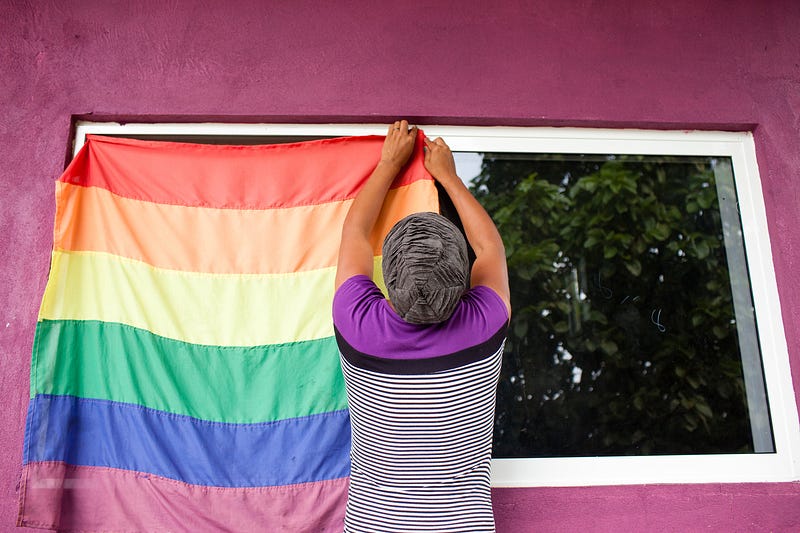
A: You can make sure your home, your community and your country are safe for everyone, including LGBTI people. Break the silence — speak out when you see discrimination, listen to the stories of LGBTI people, or tell your own story, whatever it may be. Please visit our website to learn more about LGBTI refugees or to donate.
You can also check out these links to some of our partners:
- HIAS has been helping refugees for more than 100 years.
- Lamda supports LGBTI people in Guatemala.
- Oram provides help for and research on the most vulnerable refugee groups, including LGBTI people.
- The Women’s Refugee Committee is a research and advocacy organization that focuses on the needs of refugee women, children and young people.
UNHCR, the UN Refugee Agency, is a global organization dedicated to saving lives, protecting rights and building a better future for refugees, forcibly displaced communities and stateless people.