
What Is World Order And Why It Is Biased Towards Some People
Favoritism in terms of humanity
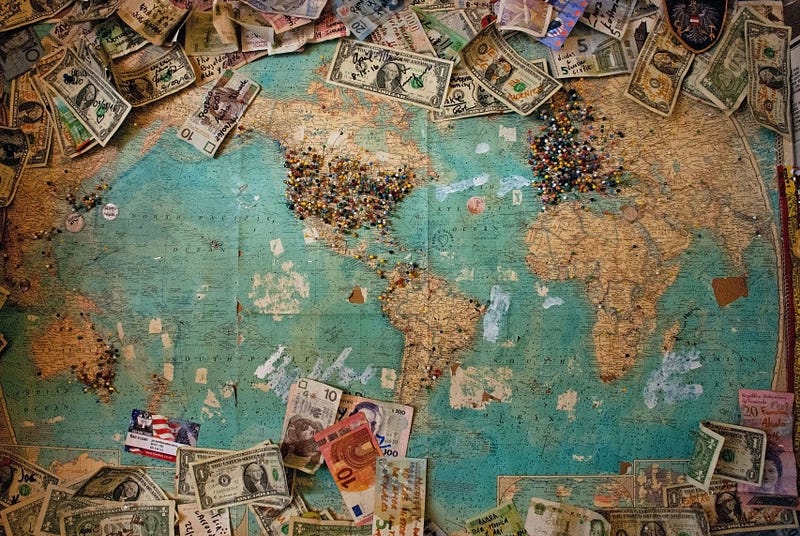
World order refers to the way nations and communities interact with each other on a global scale. It involves the rules, agreements, and power dynamics that shape relationships between countries. The concept of world order is complex and can be influenced by various factors such as politics, economics, and cultural dynamics.
Sometimes, world order can be perceived as favoring one community or group of nations over others. This bias may arise due to historical power imbalances, economic disparities, or geopolitical considerations. Certain countries or communities may have more influence in shaping global policies, leading to a world order that reflects their interests and priorities.
Biases in world order can manifest in different ways. For example, decision-making processes in international organizations may disproportionately benefit certain nations, leading to policies that cater to their needs while neglecting the concerns of others. Economic systems and trade agreements can also favor certain communities, potentially exacerbating inequalities between nations.
Like what is happening in Palestine. Why are nations quiet? Do we forget we have our own families as well? Can we think of our families in the same situations?
These biases in world order can be a source of tension and conflict as they may lead to perceptions of injustice and unequal treatment. Addressing these imbalances often involves diplomatic negotiations, international cooperation, and discussions to create a more inclusive and equitable world order.
In simple terms, world order is like the rules governing how countries interact globally. Sometimes, these rules favor one group of nations more than others, creating tensions and inequalities. The global community needs to work together to make sure that world order is fair and considers the needs and perspectives of all nations.
I am Hamza Shafiq. I write about facts, poems, history, and entertainment follow and subscribe so you can get the best experience of writing


