
What is Video Storytelling in Marketing & How To Do It
Lights, Camera, Connection: Exploring the Impact of Video Storytelling
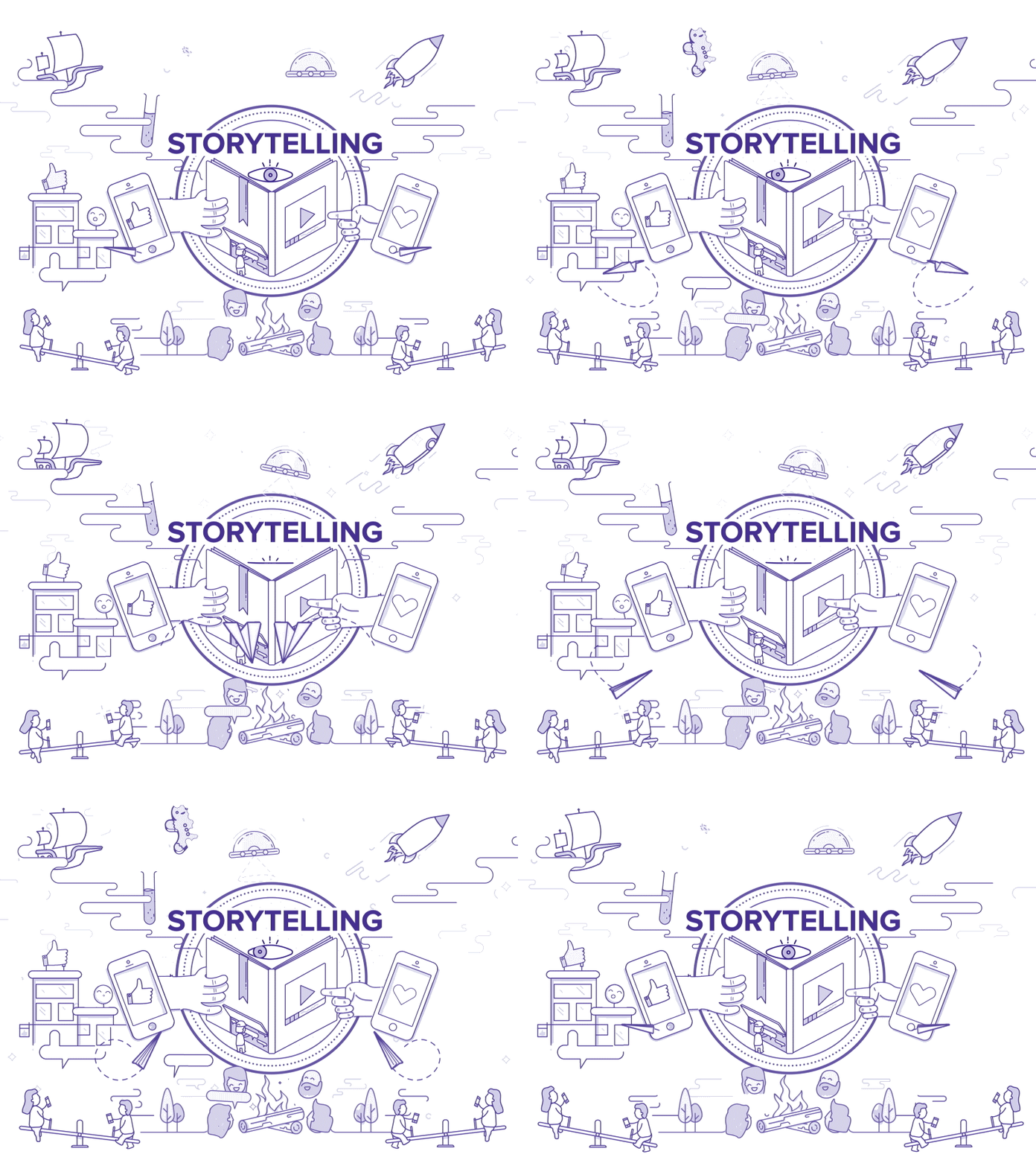
In today’s digital age, capturing and holding your audience's attention is more challenging than ever. With so much content vying for attention, businesses and brands must find innovative ways to connect with their target audience. One powerful technique that has emerged recently is video storytelling.
Ever found yourself glued to a screen, heart pounding, eyes wide, completely absorbed in a story unfolding before you? That, my friend, is the power of video storytelling at work! Video storytelling marketing has proven an effective way to engage and captivate audiences by leveraging the power of visuals, emotions, and compelling narratives.
But what is video storytelling in marketing? And why does it feel like everyone, from your local coffee shop to the biggest brands in the world, is trying to master this art? Let’s dive in and uncover the secrets behind those captivating videos that make us stop, watch, and listen.
What Is Video Storytelling in Marketing?
In the simplest terms, video storytelling is the process of using video to tell a story. Sounds straightforward, right? But there’s a catch — or rather, a craft. It’s not just about stitching together clips; it’s about weaving a narrative that engages viewers, evokes emotions, and memorably communicates a message.

Why It’s a Big Deal
- Engagement: We’re visual creatures, and videos are engagement magnets. They can hold our attention in a way that text or audio alone often can’t.
- Emotional Connection: Videos have this uncanny ability to tug at our heartstrings. They make us feel something, and that emotional connection is marketing gold.
- Information Retention: Ever heard the saying, “Tell me and I forget, show me and I remember?” Video storytelling capitalizes on this principle. We’re more likely to remember a story when we see and hear it.
Understanding the Impact of Video Storytelling
Over time, video has become the preferred medium for consuming content, with billions of videos being watched daily on platforms like YouTube and social media. The video’s ability to combine visual and auditory elements makes it highly engaging and memorable. Furthermore, humans are hardwired to respond to stories, making video storytelling an incredibly powerful tool for communication.

When we think about the impact of video storytelling in business, it’s fascinating to consider its neurological effects on the human brain. Research has shown that when we watch a compelling video, our brains release oxytocin, a hormone associated with empathy and trust. This chemical reaction enhances our emotional connection to the content and makes us more likely to remember and share the story with others, amplifying its reach and influence.
The Evolution of Video Storytelling
In recent years, the way we consume video content has undergone a significant transformation. Traditional TV commercials are no longer the only way to tell a story through video. Platforms like YouTube, Instagram, and TikTok have brought about a rise in user-generated content and short-form videos, presenting new opportunities and challenges for brands and businesses.
This shift towards user-generated content has democratized the world of video storytelling. Thus allowing individuals and smaller businesses to compete with larger corporations on a level playing field. The rise of influencers and content creators has reshaped the landscape of digital marketing, emphasizing authenticity and relatability in storytelling. Brands now have the opportunity to collaborate with creators who have built loyal followings, leveraging their influence to connect with audiences in a more organic and impactful way.
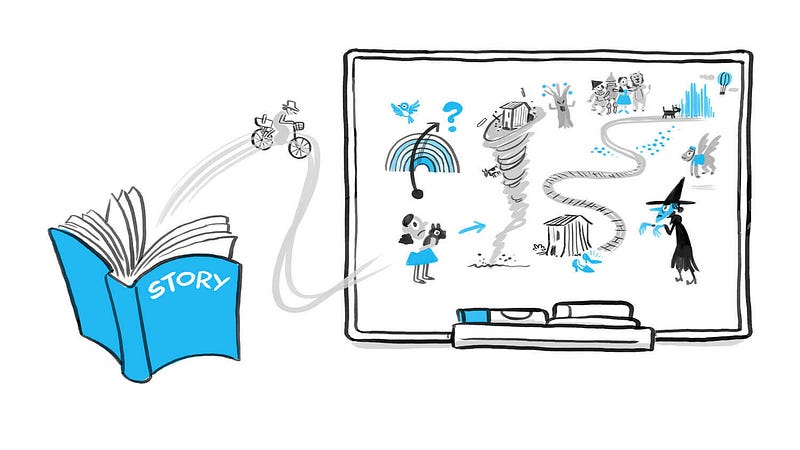
How To Do Video Storytelling Like a Pro
Video storytelling is a dynamic and impactful way to convey a message or evoke emotions in your audience. It combines visual and auditory elements to create a multi-sensory experience that can leave a lasting impression. By harnessing the power of storytelling techniques and video storytelling basics, you can create a story that resonates with your viewers on a deeper level.
Creating a compelling video story is an art form that requires careful planning and execution.
To craft a video story that captivates your audience, you should account for these things,
1. Elements of a Powerful Video Story
A powerful video story is built upon a solid foundation of key elements that engage and resonate with the audience. These elements include a compelling protagonist, a relatable conflict, a clear message, and a resolution that leaves a lasting impression. Building a strong emotional connection and engaging the viewer’s senses are crucial to a powerful video story.
Creating a video story that sticks isn’t just about having the fanciest camera or the biggest budget.
- A Relatable Hero: Every story needs a protagonist. This could be a person, a product, or even an idea in video storytelling.
- A Compelling Plot: There’s got to be a journey — with challenges, conflicts, and a satisfying resolution.
- Stunning Visuals: The beauty of video is in showing, not telling. Use visuals that captivate.
- Captivating Sound: Music, voiceovers and even silence can add depth to the story.
- Authentic Emotion: The best video stories feel real. They’re genuine and heartfelt.
Furthermore, incorporating visual metaphors, symbolism, and storytelling devices such as flashbacks or parallel storylines can add depth and complexity to your video story. These elements can enhance the overall impact of your narrative and create a more immersive viewing experience for your audience.

2. Structuring for Maximum Impact
The structure of your video story plays a critical role in its success. A well-structured video story follows a clear arc, starting with a captivating introduction, building tension and conflict, and reaching a satisfying resolution. Using video storytelling techniques such as foreshadowing, suspense, and pacing can help maintain the audience’s interest and keep them engaged throughout the video.
In addition to a compelling narrative structure, your video story's visual and auditory components are equally important. Music, sound effects, lighting, and camera angles can enhance the mood and tone of your story, creating a more immersive and engaging experience for your viewers. You can create a compelling and impactful video story by paying attention to your video production's storytelling and technical aspects.
Video storytelling in business is an art form that goes beyond just conveying information. It’s about creating a connection with your audience that resonates on a deeper level. By incorporating storytelling elements such as character development, plot twists, and narrative arcs, you can take your viewers on a journey that keeps them invested in your content.
3. Using Emotion to Connect with Your Audience
Emotions are a powerful tool for engaging your audience. You can connect deeply with your viewers by evoking joy, nostalgia, or empathy, etc. Whether telling a heartwarming story, making your audience laugh, or appealing to their sense of justice, leveraging emotions in your video storytelling marketing can make your content more impactful and memorable.
One effective way to evoke emotions in your audience is through the use of music. The right soundtrack can enhance the mood of your video, intensify emotional moments, and create a lasting impression on your viewers.
By carefully selecting music that complements the tone and message of your story, you can elevate the emotional impact of your video and leave a lasting impression on your audience.

4. Using the Right Visuals in Audience Engagement
Visuals play a crucial role in captivating your audience and keeping them engaged. Utilize high-quality visuals that are visually appealing and align with your brand’s aesthetics. Incorporate eye-catching graphics, stunning cinematography, and visually compelling storytelling techniques to create a visually immersive experience for your viewers.
In addition to using visuals to enhance the aesthetic appeal of your videos, consider incorporating visual metaphors and symbolism to add depth and layers to your storytelling. Visual metaphors can help convey complex ideas simply and engagingly, while symbolism can add a deeper meaning to your narrative, sparking thought and reflection in your audience.
5. Optimizing for Different Platforms
As video storytelling has become more prevalent, adapting your storytelling approach to different platforms is essential. Each platform has its own unique format, audience preferences, and engagement patterns.
Video storytelling is a powerful tool that captivates audiences and compellingly conveys messages. By understanding the nuances of each platform, you can tailor your videos to maximize their impact and reach. Let’s delve deeper into the strategies for optimizing video content on social media and your website to engage your viewers effectively.
6. Crafting an Unforgettable Opening (Hook)
First impressions are everything, especially in video storytelling marketing. You’ve got mere seconds to grab your audience’s attention before they scroll away. An unforgettable opening sets the tone for your story, teases the journey ahead, and hooks your viewers from the get-go.
Tips for an Engaging Start:
- Start with a question or a bold statement to pique curiosity.
- Use a visually striking image or scene that stands out.
- Introduce a conflict or a teaser of the climax right away to create suspense.
7. The Power of the Pause
Silence and pauses can be just as powerful as action-packed sequences. They give the audience time to digest the information, build suspense, or highlight emotional moments. Strategic use of pauses can enhance the storytelling by providing contrast and emphasis to the narrative flow.
When to Use Pauses:
- After a significant revelation or plot twist.
- Before a crucial decision or action by the protagonist.
- To emphasize the emotional impact of a scene.
8. Interactivity and Call to Action
Engaging your audience doesn’t stop at just telling a great story. Encouraging viewer interaction can significantly enhance the impact of your video. Incorporate a clear call to action (CTA) that guides viewers on the next steps.
Whether it’s subscribing to your channel, visiting a website, or sharing the video, a well-placed CTA can turn passive viewers into active participants.
- Interactive Elements: Use polls, quizzes, or direct questions to encourage viewers to engage with your content.
- Clear CTA: Place your call to action at the end of the video, ensuring it’s clear, concise, and compelling.

9. The Role of Color and Lighting
Color and lighting are not just technical aspects of video production; they’re storytelling tools that can set the mood, convey emotions, and highlight important elements. The right use of color and lighting can transform a scene and evoke specific feelings in your audience.
Color and Lighting Tips:
- Use warm colors to evoke feelings of warmth, happiness, or passion.
- Cool colors can create a sense of calm, sadness, or detachment.
- Lighting can highlight important details or create mystery and suspense with shadows.
10. Embracing Authenticity and Vulnerability
Authenticity resonates. In an era where consumers are bombarded with content, genuine stories stand out. Sharing real experiences, challenges, and successes creates a human connection that can’t be replicated by polished corporate messages. Don’t be afraid to show vulnerability in your storytelling. It can make your brand more relatable and trustworthy.
- Behind the Scenes: Share insights into your process, struggles, and the real people behind your brand.
- Real Stories: Use customer testimonials or real-life examples to showcase the impact of your product or service.

11. Continuous Learning and Experimentation
Video storytelling is an art that evolves with technology, trends, and audience preferences. Continuous learning and experimentation are key to staying relevant and engaging. Keep an eye on the latest video trends, technologies, and storytelling techniques. Experiment with different video formats, lengths, and styles to see what resonates most with your audience.
- Stay Updated: Follow industry leaders and platforms for the latest video marketing and storytelling trends.
- Test and Learn: Use A/B testing for different elements of your video, such as titles, thumbnails, and storytelling techniques, to see what works best.
By integrating these points into your video storytelling strategy, you can enhance the quality, reach, and impact of your videos. Remember, the goal is to connect with your audience on a deeper level; these strategies can help you do just that.
12. Use Personalized Video Messages
There’s a subtle yet impactful addition that can elevate your narrative—personalized videos. Weaving personalized video messaging for sales can help create a more immersive and engaging experience for your audience. How can you mass-produce these messages? Well, a few AI personalized video software like Potion can help.
But, why use such software? Because using this offers numerous advantages:
- Beyond Text and Images: Potion introduces a novel dimension to your storytelling palette. Embed personalized video messages effortlessly to convey emotions and messages that resonate.
- Connection Redefined: In a world saturated with content. Potion helps you stand out by fostering a deeper, more personal connection with your audience. It’s more than storytelling; it’s a shared experience.
- Integration Simplicity: Potion integrates seamlessly with various platforms, making it an easy and effective enhancement to your video storytelling toolkit.
- Analytics for Optimization: Track how viewers engage with your Potion-enhanced videos. Use insights to refine your approach and create an even more compelling storytelling experience.
Measuring the Success of Your Video Storytelling
After you’ve poured your heart and soul (not to mention a fair bit of time and resources) into creating video stories. You’ll want to know if your efforts have paid off, right? It’s not just about getting a pat on the back for a well-done job. It’s about understanding what’s hitting the mark and missing it by a mile. By accounting for a few video analytics metrics to track, you can gauge the success of your video storytelling and tweak your strategy for even better results.
Key Metrics to Track
Let’s dive into the metrics to understand your video storytelling performance.
1. View Count: Think of view count as the first impression. It tells you how many people have laid eyes on your video. But remember, it’s just the beginning. A high view count is great, but what matters more is what happens after that first view.
Pro tip: Boost your view count by promoting your video across all your social media platforms and embedding it in relevant blog posts or website pages.
2. Engagement Rate: You learn if viewers are really into your video or if they’re window-shopping. High engagement means viewers are watching your video, leaving comments, and liking or reacting to it. This metric tells you that your story is resonating.
Pro tip: Ask questions in your video, use polls, or include interactive elements to encourage viewers to participate and engage.
3. Social Shares: When someone shares your video, they’re saying, “This is awesome, and more people need to see it!” It’s the digital equivalent of word-of-mouth marketing. Tracking social shares helps you see how far and wide your video story travels.
Pro tip: Encourage sharing by creating relatable, share-worthy content that speaks directly to your audience’s interests or challenges.
4. Click-Through Rate (CTR): If your video has a call-to-action (CTA), you’ll want to measure how many viewers are motivated enough to click through. Whether it’s visiting your website, signing up for a newsletter, or checking out a product, CTR tells you how effective your video is at inspiring action.
Pro tip: Make your call-to-action clear, compelling, and easy to find. A strong CTA can significantly boost your video’s effectiveness.
5. Conversion Rate: At the end of the day, you want your video storytelling to drive results. Whether it’s sales, sign-ups, or another goal, the conversion rate measures the percentage of viewers who take the desired action after watching your video. It’s the ultimate indicator of your video’s effectiveness in contributing to your business objectives.
Pro tip: Ensure your video content aligns closely with your conversion goals. Tailor your storytelling to guide viewers naturally toward the action you want them to take.
Keeping track of these metrics gives you a comprehensive view of how your video storytelling performs. But remember, it’s not just about the numbers. It’s about what you do with the insights you gain. Use this data to refine your approach, experiment with new ideas, and continue telling stories that captivate, engage, and inspire your audience. After all, every viewer is on a journey with your brand, and your video content is a powerful way to guide them.

FAQs or Frequently Asked Questions
Q: Do I need professional equipment to tell a good video story?
Not at all! While high-quality equipment can enhance your video, the story’s heart and how you tell it matter most.
Q: Can video storytelling work for any industry?
Absolutely! Any sector, from education to finance, can harness the power of video storytelling to connect with its audience.
Q: How long should my video story be?
There’s no one-size-fits-all answer. It should be long enough to tell a complete story but short enough to keep viewers engaged. Sometimes, less is more.
Conclusion
Once you have collected the data, analyze the results to identify patterns, trends, and areas for improvement. Identify what elements of your video storytelling resonated most with your audience and what aspects can be refined. Use these insights to iterate and optimize your future video storytelling efforts.
So grab your camera, find your story, and let the world see through your lens. Who knows? Your video could be the next to make someone stop, watch, and listen. Happy storytelling!
Remember, what is video storytelling but a chance to share a piece of ourselves with the world? So, let’s make those stories count!
You may also like,


