
What is Tokenomics in Blockchain (a.k.a Token Economy) Explained
Tokenomics 101: Everything You Need To Know

Tokenomics is a term that describes the economic system that underpins blockchain-based digital tokens. It’s a relatively new concept that’s gaining traction in the crypto world, with many investors and blockchain projects now considering tokenomics as an essential aspect of their business models. In this article, we’ll explore what is tokenomics in crypto, what a token is, and the difference between tokens and cryptocurrencies. We’ll also take a look at the different types of crypto tokens and what makes crypto tokenomics so different.
We’ll explore applications of token economics, and finally, we’ll conclude with an investor’s take on tokenomics crypto.
TLDR; In a hurry? No worries, here’s a video that explains what is tokenomics in detail.
What is a Token in Blockchain?
In the blockchain world, a token is a unit of value that represents a particular asset or utility. It can be used as a digital currency, as a means of exchange, or to access a specific service. Tokens are usually created and managed on decentralized blockchain platforms such as Ethereum, Binance Smart Chain, and Polkadot.
Difference Between Tokens vs Cryptocurrency
While both tokens and cryptocurrencies can be used as digital currencies, there are significant differences between the two. Cryptocurrencies such as Bitcoin and Ethereum are designed primarily as a medium of exchange or a store of value, whereas tokens have a more specific use case. Tokens are created to serve a particular purpose or function within a specific ecosystem or platform.
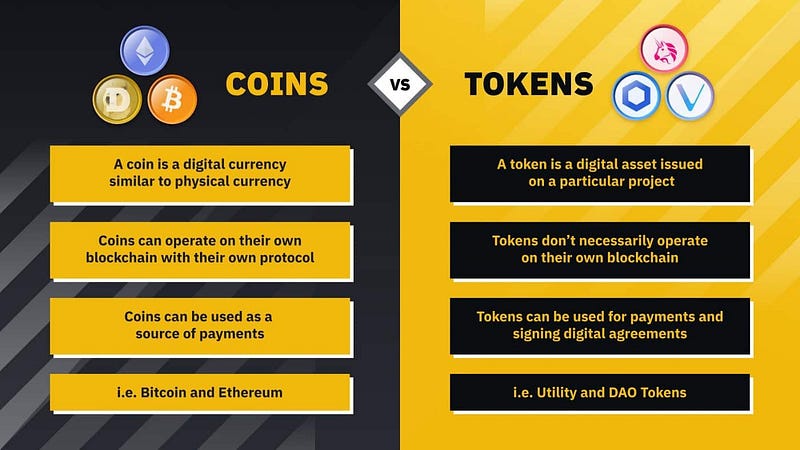
Types of Crypto Tokens
There are several types of crypto tokens, each with its unique properties and use cases. Here are some of the most common types of crypto tokens:
1. Utility Tokens
These tokens provide access to a particular product or service, and their value is derived from their usefulness within that ecosystem. They are often used in decentralized applications (DApps) to pay for transactions, access certain features, or buy goods and services. Some examples of utility tokens are:
- Ether (ETH): The native cryptocurrency of the Ethereum network, which is used to pay for gas fees and execute smart contracts on the platform.
- Basic Attention Token (BAT): A token used within the Brave browser ecosystem to reward users for viewing ads and support content creators.
2. Security Tokens
These tokens represent ownership of a physical or digital asset, such as stocks, bonds, or real estate. They are subject to securities regulations and offer investors a share in the profits or assets of a company or project. Some examples of security tokens are:
- tZERO (TZROP): A tokenized version of the tZERO security token exchange, which allows investors to trade traditional securities using blockchain technology.
- Polymath (POLY): A token used for creating and managing security tokens on the Polymath platform.
3. Payment Tokens
These tokens are designed for use as a means of payment or exchange, similar to traditional currencies. They are often used for peer-to-peer transactions, micropayments, and cross-border transfers. Some examples of payment tokens are:
- Bitcoin (BTC): The first and most well-known cryptocurrency, which can be used to buy goods and services or traded on cryptocurrency exchanges.
- Litecoin (LTC): A faster and more scalable version of Bitcoin, which is often used for small transactions and micropayments.
4. Governance Tokens
These tokens are used to participate in the decision-making process of a decentralized organization or protocol. Holders of governance tokens can vote on proposals, suggest changes, or earn rewards for contributing to the network. Some examples of governance tokens are:
- Compound (COMP): A token used to govern the Compound lending and borrowing protocol, which allows users to earn interest on their crypto assets.
- Uniswap (UNI): A token used to participate in the governance of the Uniswap decentralized exchange, which allows users to trade cryptocurrencies without intermediaries.
5. Non-Fungible Tokens (NFTs)
These tokens are unique digital assets that represent ownership of a particular item, such as artwork, collectibles, or virtual real estate. They are often used in blockchain-based gaming and online marketplaces. Some examples of NFTs are:
- CryptoKitties: A game that allows players to collect and trade virtual cats, each of which is represented by a unique NFT.
- NBA Top Shot: A platform that allows users to buy and sell NFTs representing basketball highlights and collectibles.
6. Stablecoins
These tokens are designed to maintain a stable value relative to another asset, such as the US dollar or a basket of other cryptocurrencies. They are often used as a store of value, a medium of exchange, or a hedge against volatility in the crypto markets. Some examples of stablecoins are:
- Tether (USDT): A token that is pegged to the US dollar and used for trading and remittances.
- USD Coin (USDC): A token that is also pegged to the US dollar and used for payments and settlements.
7. Wrapped Tokens
These tokens are designed to represent an underlying asset on a different blockchain. They allow users to trade assets that are not native to a particular blockchain, such as Bitcoin or Ethereum, on other platforms. Some examples of wrapped tokens are:
- Wrapped Bitcoin (WBTC): A token that represents Bitcoin on the Ethereum network, allowing users to use Bitcoin in Ethereum-based applications and smart contracts.
- Wrapped Ether (WETH): A token that represents Ether on the Ethereum network, allowing users to trade Ether on decentralized exchanges and other platforms.
Overall, crypto tokens offer a diverse range of use cases and functionalities, making them a valuable tool for investors, developers, and users alike.
What Makes Crypto Tokenomics So Different?
Crypto tokenomics is different from traditional economics because it’s based on a decentralized and trustless system. In traditional economics, central authorities such as banks and governments manage the economy, but in tokenomics, the rules and incentives are enforced by code on the blockchain.
Tokenomics is also different from traditional economics because it’s designed to incentivize particular behaviors within a particular ecosystem or platform. For example, governance tokens are designed to incentivize users to participate in the decision-making process of a particular platform.
Applications of Token Economics Explained
Token economics has several applications in the blockchain world. Some of these applications include:
1. Funding for Blockchain Projects
Token economics can be used to fund blockchain projects through initial coin offerings (ICOs) or initial exchange offerings (IEOs).
2. Incentivizing Participation
Tokenomics can be used to incentivize users to participate in particular actions such as staking, voting, or contributing to a particular ecosystem.
3. Revenue Sharing
Token economics can be used to distribute revenue from a particular ecosystem or platform to its users based on their participation or contribution.
Investor’s Take on Tokenomics Crypto
As an investor, understanding tokenomics is essential when evaluating blockchain projects. Tokenomics can provide insight into the potential success of a particular project and the incentives for participation.
However, it’s important to note that tokenomics is still a relatively new concept, and there’s no guarantee that a particular project’s token economics will result in success. Investors should also consider the regulatory landscape and potential risks before investing in a particular project.

In essence, I’d like to say that tokenomics is a critical aspect of the blockchain world that can provide unique incentives for participation and help fund blockchain projects. Understanding the different types of tokens and their use cases is essential for investors to make informed decisions.
Tokenomics is different from traditional economics because it’s based on a decentralized and trustless system and is designed to incentivize specific behaviors within a particular ecosystem or platform. This makes it a powerful tool for funding and incentivizing blockchain projects and can provide valuable insights for investors.
As the blockchain ecosystem continues to evolve, tokenomics is likely to play an increasingly significant role in the success of blockchain projects. Investors who understand token economics and can identify promising projects with strong tokenomics will be well-positioned to capitalize on the growth of the blockchain industry. However, it’s important to remember that investing in blockchain projects is still highly speculative, and investors should always conduct thorough research and due diligence before making any investment decisions.
Lastly, we should note that tokenomics is an essential aspect of the blockchain world that has the potential to revolutionize the way we think about economics and value creation. While the blockchain industry is still in its early stages, the potential for growth and innovation is vast, and investors who can identify promising projects with strong tokenomics will be well-positioned to reap the benefits.
You may also like,


