
What Is the True Nature of Your Introversion
A Personality Trait or Trauma Response?
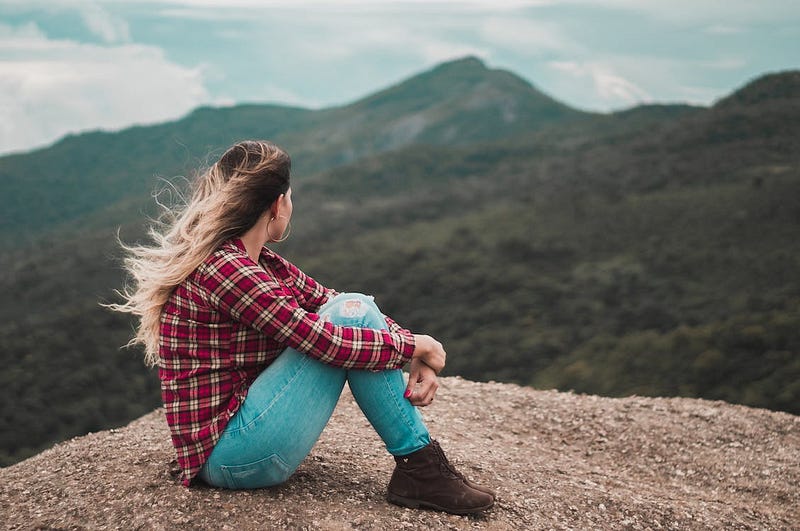
I always thought of myself as an introvert. How I loved my own company. Going to the gym on my own, shopping on my own, spending weekends alone. Being alone had always been a space for me to find solace where extraversion caused me stress.
As an adult, I’m beginning to believe my introversion is causing me more problems than I previously thought. Don’t get me wrong, I enjoy my own company and I love silence for the space it gives me to process and to think. I wouldn’t be the person I am today without the deep introspection that has allowed me to sit and write this today.
On the other hand, socially, my introversion is a problem. In fact, I’ve come to believe my introversion isn’t so much an innate personality as it is a learned response to the turmoil I felt in relationships growing up.
Introversion is my comfort zone as much as it is my coping strategy.
Introversion As A Response To Trauma
Growing up, close relationships presented themselves with the possibility for danger. I grew up gay and afraid of people finding out my truth. It meant that any closeness to those around me brought with it the potential of being found out. Maybe if they got to know the real me, they’d suspect the truth I was too afraid to verbalize.
So I turned inwards.
You don’t have to worry about what other people think of you if you just detach yourself from them completely. If I spent time alone, I didn’t have to feel the dysregulation that conversations with others would ignite in me. I didn’t have to worry about the words I was saying or the way I was coming across. I could sit and be with me — it was a safe space.
There is a difference between being fiercely independent and enjoying your own space and feeling driven to have space to avoid communication. For much of my life, I unconsciously lived through the latter. Telling myself I was independent when I was really emotionally detached.
I’m now trying to rewrite that story.
Facing The Discomfort Of Social Interaction
I regularly make plans only to want to cancel on the day. Suddenly I feel an inexplicable urge to sit in and do nothing rather than to head out and socialize. I use to blame this on my introversion. “I just fancy staying in” I’d say to myself, even making a joke of the pattern that always seemed to play out.
Now I’m beginning to realize this desire to cancel isn’t the innocent need to be with myself that I previously thought. It’s an avoidance technique spearheaded by the discomfort I feel being around others. Despite the leaps and bounds I’ve made in my personal growth, it’s clear the conditioning I experienced a child still impacts my relationships.
That’s the thing about awareness, we’ll readily be misguided by our urges if we aren’t aware of the reasons we’re feeling the way we feel.
Somewhere down the line my brain began associating social interaction with danger and this link has stuck with me over the years. I recently wrote about our nervous system and how it can be conditioned into fear responses that originated in our childhood. My own has been led to believe that there is danger associated in all my relationships; even though it’s been 5 years since I originally “came out”. That’s the thing about childhood trauma, it’s ingrained in the brain and takes consistent work to budge.
Letting Go Of My Introverted Tendencies
There will always be a part of me that enjoys being alone. As I said, it allows me space for introspection and being able to be alone is a healthy characteristic to have. However, I don’t aspire to be so fiercely independent that I fear and reject the help from others. I don’t aspire to choose being alone because I can’t handle the discomfort I feel when I’m around others. I don’t aspire to hide away because a part of me still fears judgement. As much as it’s important to self-regulate, we are social beings. I have long chosen self-regulation over the benefits that comes with community.
Therefore I am aspiring to let go of some introverted tendencies. To not bail on plans because I “just want to be alone” and to learn to self-regulate whilst I’m with other people. This isn’t to say that we shouldn’t be alone when we feel like we need it; life is busy and there’s nothing wrong with spending time with yourself where necessary.
But there’s levels to this and if we’re consistently choosing ourselves over social interaction, we’re destined to feel lonely and detached from others. I remember writing a list of values as a homework for therapy once. I was shocked to see community didn’t make it onto my list. Success, love, personal growth, all of it I seemed to value but not community. I then saw why I felt alone.
Facing any fear isn’t easy and choosing to be socially active when your body is screaming for you to be alone doesn’t mean you’ll suddenly feel okay. Stepping into extroversion means sitting in the discomfort that social interaction is causing you. Even if you have to spend a day alone after a social event to process the stress it caused you, still go to that social event. In most cases where I’ve stepped into a social interaction that I wanted to avoid, I felt good about it after.
Weather we’re consciously aware of your patterns, or not, subconsciously we recognize the route of our introversion isn’t to be independent but to avoid socializing from a means of fear. This doesn’t feel good because our intensions are not pure. We often recognize we feel alone and know we aren’t helping our case. This causes us inner conflict and stress.
I know that aspiring to be more social will bring with it short-term stress but the long-term benefits of having community and people I can trust will outweigh the initial challenges. For anyone who feels similarly, this isn’t work you have to do alone. You can seek help from a coach or a therapist to help process the complicated feelings that come with engaging in fears. For me, this looks like unearthing feelings of unworthiness that underlined my sexuality. There are numerous reasons others may have learnt to avoid being social.
I still identify as an introvert but I refuse to avoid opportunities for me to be extroverted any longer.
Thank you for reading this article. I appreciate the support so give this article a few *claps* if you enjoyed it and follow Above The Middle for more like this.