
What is the Oldest Truth in the Bible?
It is this: What we reproduce out of us is what we receive into us.
The answer to the question in the title is in Genesis 1: “Things produce after their own kind.” It is repeated 5–6 times. It’s another way of saying, “What is inside of us comes out of us.” Thus we’re considered to be ‘inside-out’ creations. So psychology says we can’t consistently act, on the outside, different from what we think and believe on the inside. This is a very important truth: It’s the very first thing mentioned by God.
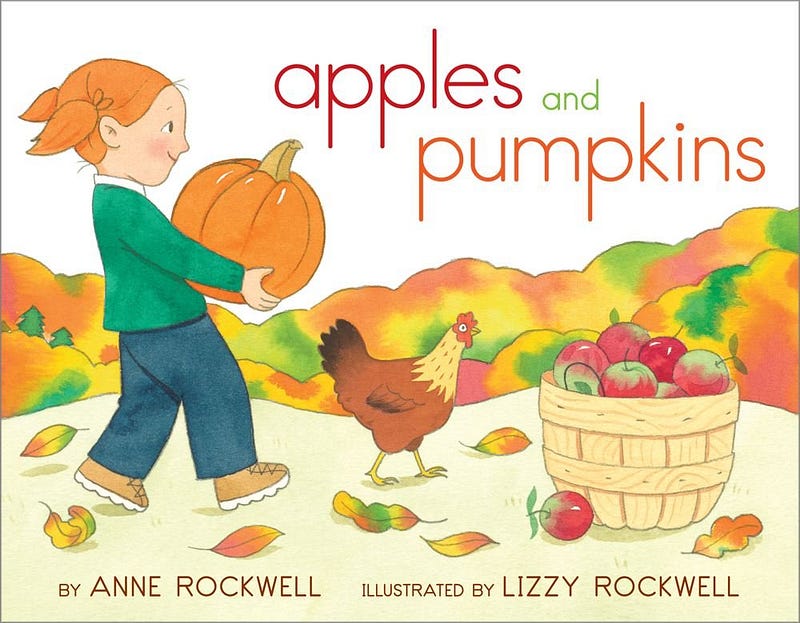
God knows if he plants apple seeds in us — he won’t raise pumpkins!
Paul says that he has ‘begotten’ us by the gospel (I Cor 4:15). This means he has birthed us and given us life by God’s gospel truth. If this is planted into us, and gives us life, then this is the life that should come out of us!
Jesus says, “No good root produces bad fruit! No bad root produces good fruit.” This is why it’s so important to God that we let him plant GOOD GOSPEL SEED inside of us, as The Parable of the Sower shows. He knows it will produce good things from us, as Paul later says (Col 1:5–6).
God’s gospel truth is what connects us to God himself, and gives us the mind of Christ (I Cor 2:16). Paul says it renews our mind and transforms our thinking. It gives us God’s worldview, and wisdom of his REALITY. All else only gives us human speculation and reasoning, not truth.
What Is Planted In You — Is What You Produce
We’ve all heard this maxim: ‘what you sow is what you reap.’ There is a good degree of truth in it. If we do good to others, we’ll usually reap back good. If we do bad, we’ll often reap bad things back. What we sow out of us is what we get back.
But this is not what the gospel is really talking about.
In Galatians 6:7–8, Paul says what we sow is what we reap. But he means what we sow INTO us. He speaks of sowing: (1) to our flesh, or (2) to our spirit. It is a different matter from what we think about sowing.
It is saying what was just said. If we let God plant his good gospel into us, then he harvests good things out of us. Paul says the gospel is ‘good news of good things,’ so it produces good things from us.
Psychology agrees: ‘GIGO: good in, good out — garbage in, garbage out.’
God’s ‘RX’ Plan is to Be Healthy and Prosperous
“Grace and truth came by Jesus Christ” (John 1:17). Jesus speaks repeatedly about us living by his gospel truth, and says he is ‘the way, the truth and the life.’ We’re told it is a good thing for our hearts to be established in grace (Heb 13:9). Paul says it is the gospel that establishes us (Rom 16:25). The gospel is the gospel of God’s grace (Acts 20:24).

Thus III John 2 talks about God’s desire for us is to be (1) prosperous and (2) healthy. But the only way we do this is having the truth of God in us and living in that truth (III John 3).
This is living inside-out as we spoke about earlier. And whenever Paul or John speak of truth, they specifically mean gospel truth — to them, the only kind of truth there is.
Jesus goes on to say in The Parable of the Farmer Planting Seed that the fruit that is grown is automatic. It is spontaneous, centrifugal and synergistic. All the farmer does is plant it and then go to sleep, and gets up and watch it grow.
It says, “He doesn’t understand the process.” Jesus says this parable is one we must understand to understand the others (Mk 4:13). And it says that the SEED is what is important — what it produces is automatic.
The farmer is smart too! He knows apple seeds don’t grow pumpkins!
We Face Temptation in A Lot of Pulpit Preaching
Everything in life, even well-meaning teachers of religion, try to plant something else into us. There is a real deception and blinding going on with regard to the gospel (II Cor 4:3–4). There is so much learning that does not result in understanding gospel truth (II Tim 3:7). Without understanding God’s ‘gospel of the Kingdom,’ we become deceived.
Paul talks about divers and strange doctrines — that we get occupied with, but don’t help us. They hurt us and are not for our good (Gal 4:17).
‘10,000 instructors in Christ’ are not ‘Fathers of the Gospel’ (I Cor 4:15).
Non-gospel instructors don’t understand what they say (I Tim 1:7).
Not knowing the (gospel) righteousness of God, they are just into living their own self-righteousness and reasoning (Rom 10:2). Jesus asks us: “Why do you reason?” We’re called ‘believers’ — not ‘reasoners.’ They may not mean bad, but Jesus says they’re ‘the blind leading the blind.’
The only ‘RX,’ or remedy is a heart full of New Testament gospel truth.
Summarizing the Genesis Truth and Gospel Truth
The oldest truth is that things grow after their own kind. What we plant and sow into us is what we harvest and reap out of us. But the first truth Jesus spoke, and the dearest thing on his mind and heart, was that we forsake and repent of all beliefs that are not his gospel (Mark 1:15).
The oldest Bible truth, and the gospel truth of Jesus should be primary. And they flow together so perfectly: “As a man thinks, so is he.”
We have a big choice to make. Three times Hebrews says, “Today if you WILL hear his voice…” If Jesus told us to only believe and live his gospel, you can be certain this is what he speaks to us. He even says the reason he came and was born into the world — was to give TESTIMONY to his truth (John 18:37). It is ‘the testimony of Jesus: gospel truth.’
The problem is our physical ears don’t work in hearing God.

Then Jesus follows this statement saying: “Everyone who is of the truth hears my voice.” The inference is: if we’re not living and believing gospel truth, then we can’t hear his voice.
Many folks wonder why they don’t hear from God. They say the heavens are like brass. They say they don’t feel like they’re reaching God.
If the gospel is God’s only language this side of the cross, and if we don’t know, live and speak the gospel, how can we expect to hear anything from him? We’re at the mercy of those ‘10,000 instructors’ instead. Paul tells us: “What we believe is what we speak” (II Cor 4:7).