
What Is The Langya Virus?
This potentially fatal virus has already sickened dozens in Eastern China
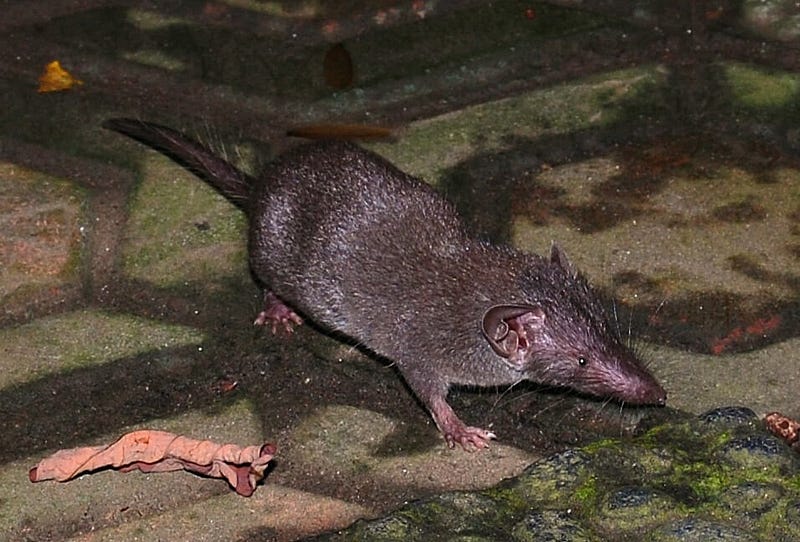
The shrew, pictured above, is the animal responsible for transmission of the novel Langya henipavirus (LayV) reported to have sickened thirty five farmers in the Chinese provinces of Henan and Shandong. Henan and Shandong share a border. Currently, researchers believe the virus is zoonotic in nature and transferred via animal-to-human contact, but that theory is not certain. None of the infected farmers had any type of intimate contact with one another before presenting symptoms.
A shrew is a small mammal that consumes insects as its main diet. This animal most likely hosted the virus prior to it jumping to humans. Researchers detected the genetic materials for the virus and found the shrew holding a “natural reservoir” for this pathogen.
What Are the Symptoms of Langya Virus?
The symptoms can vary from person to person, but most commonly reported are fever, an all over feeling of fatigue, cough and a decreased white blood cell count. An all over body achiness, similar to the flu, and loss of appetite are also reported. Headaches and vomiting are commonly seen with this illness.
More serious symptoms include decreased function of the liver and kidneys. While the infection can be potentially fatal, all of the infected patients in China have thus far survived.
How Was it Discovered?
Chinese patients from Shandong and Henan who presented fever were routinely examined. All stated they had recently been handling animals. The investigators swabbed their throats and discovered acute LayV infection.
The virus was recognized as LayV was first detected four years ago in an agricultural worker also living and working in the Shandong province. The patient presented with fever. A swab of his throat showed him positive for LayV.
There is some familiarity with this virus. Genetic sequencing shows the virus to be within the realm of the henipavirus family, which includes the Hendra virus, Nipah virus, Cedar virus, Ghanaian bat virus and Mojiang virus.
Will the Virus Come Here?
According to the Taiwanese CDC, they are working on genome sequencing and tracing routes of transmission. It is not clear, exactly, how the virus is spread. It seems most likely that a person would have to have exposure to an animal hosting the virus to contract the infection.
However, investigators do caution that the sample size studied is small, and they are monitoring potential spread very carefully.
“Scientists who study zoonotic diseases have been warning that spillover events such as this one, and the one that led to the COVID-19 pandemic, will become more likely as deforestation, urbanization and the shrinking of natural habitats due to human-caused climate change continue. In fact, three out of four new or emerging infectious diseases in humans have come from animals, according to the CDC, and 500,000 or more viruses already have spillover potential. ~ Live Science

Is This Covid Again?
With the memory of the pandemic still fresh, and the presence of Covid still circulating, it is only natural that we are all vigilant about viral diseases that stem from animals. But the news is good.
Scientists are divided as to whether or not LayV will surge into a pandemic. It is important to remember that most researchers believe it will not become a pandemic as no human-to-human transmission has been verified.
According to Francois Balloux, director of the Genetics Institute at University College London, “At this stage, LayV doesn’t look like a repeat of COVID-19 at all, but it is yet another reminder of the looming threat caused by the many pathogens circulating in populations of wild and domestic animals that have the potential to infect humans.”