Do You Understand the Difference Between Short Story Writing and Novel Writing?
Never try to write your short story the same way you would write a novel. LESSON #1
I’ve always taken extreme delight in learning new things and putting my new knowledge to the test. Thanks to the internet and online learning, at age 63, I have the ability to “go back to school and learn” without really having to be there.
I’m glad I decided to take advantage of a structured online short story writing course, and I recommend that others writers do the same. Doing so will provide you with a roadmap to exactly what you need to learn, and the order in which you should learn it.
This is a much better way for you to obtain the useful knowledge you need to have, instead of hopping all around the internet, seeking related information and overlooking crucial details.
To give you an idea of some of the valuable gems that come from the right short story writing course, I’ve noted some of the helpful points that I’ve learned so far.
Here is a brief recap of the most important TIPS and advice that I discovered during my first short story writing lesson.
Some of this information may be new to many short story writers, just as it was new to me, but for others, it will serve as a good reminder.
Either way, pay attention to these crucial points, whether you’re a brand new short story writer, or you just want to improve your short story writing skills.
Similar but Different
One might say that a short story is similar to a novel, when it comes to needing a plot, characters and dialogue, however, make no mistake. Short stories are not merely “mini novels” and you shouldn’t try to write them like they are.
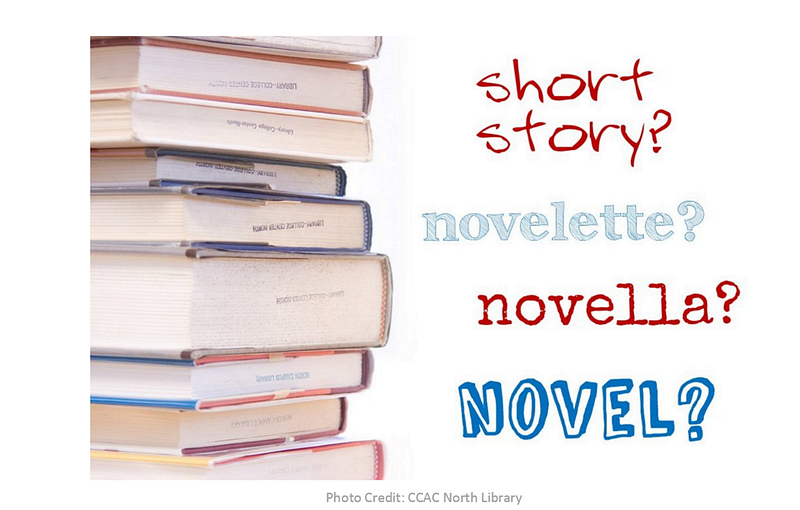
For one thing, unlike novels, that are generally 50,000 words or more, short stories typically range from 1000 words on the short end, and up to 20,000 words on the high end, although by then, you’re getting into “novella” territory.
There are various other ways that the short story is generally unlike the novel. Although nothing is absolutely written in stone, short stories typically:
- Stick with one plot
- Have no twists, turns, or detours
- Have one conflict
- Have one climax
- Have one resolution
The above differences exist mostly because the story in a novel can span over a longer period of time, and also the novel’s length enables the writer to develop more of everything (including the things listed above).
So before you get started creating a masterful short story with a lot of winding, twisting plots, do yourself a favor and rethink the whole thing.
Otherwise, prepare to embark on your first novella or novel, because that’s how long it will be by the time you’re done writing your “short” story.
DEAR READER: Thanks for visiting and feel free to FOLLOW so you can come again. I’d also consider it a privilege if you’d leave a comment or any helpful and related feedback. And don’t forget to show your approval if you LIKE what you read. Visit on Twitter @JustissGoode