avatarBrenda Mahler

Free AI web copilot to create summaries, insights and extended knowledge, download it at here

1902

Abstract

gs, and experiences of a single character. Sometimes they might branch out to a couple of characters but again, the key word is limited. They remain unable to explore the minds and hearts of the secondary characters.</p><p id="f15a"><b>Third person objective</b></p><p id="9778">In this case the narrator has no powers greater than simple humans. They can only report what they see and hear. They do not report anyone’s thought or feelings. Think of the examples earlier in this article that shared the different interpretations a police officer might hear when recording statements for an accident report. He is an objective listener who only writes what others say. The witnesses are objective observers who only tell what they see or hear. They can guess what someone is thinking, but they cannot know unless they are told.</p><p id="5ca8"><b>Compare the differences of third person point of views</b></p><p id="7813">When a writer controls the amount of information that is presented to the reader, they control the emotions, the manner in which the events occur, the level of suspense. The angle from which the story is told should be a conscience choice. Read the following paragraphs and notice how each takes on a different tone simply by altering the POV. These examples come from an internet SlideShare, author unknown.</p><p id="082b"><b>Omniscient example</b></p><blockquote id="6fe0"><p>Lilly shivered and tried unsuccessfully not to sob while sitting alone under the tree. She was more embarrassed and miserable than she had ever been. Jacob felt a pang of pity for her, and though he worried what the others might say, he walked to her, sat beside her, and offered her his jacket.— Author unknown</p></blockquote><p id="43cf">Notice an all-knowing narrator reveals the feelings and thoughts of both characters, information that would be beyond the knowledge of an objective narrator.</p>

Options

<p id="b9e2"><b>Limited omniscient example</b></p><p id="51e5">The narrator demonstrates both characters’ actions but only Jacob’s feelings are shared because the writer has limited knowledge.</p><blockquote id="779c"><p>Lilly shivered and sobbed while sitting alone under the tree. Jacob felt a pang of pity for her, and though he worried what the others might say, he walked to her, sat beside her, and offered her his jacket.— Author unknown</p></blockquote><p id="d697">This second example also shares a limited POV, but the narrator is omniscient about Lilly and does not report anything about Jacob other than what is observed.</p><blockquote id="84ff"><p>Lilly shivered and tried unsuccessfully not to sob while sitting alone under the tree. She was more embarrassed and miserable than she had ever been. He walked to her, sat beside her, and offered her his jacket.— Author unknown</p></blockquote><div id="f6f1" class="link-block"> <a href="https://bmahler-55533.medium.com/membership"> <div> <div> <h2>Join Medium with my referral link - Brenda Mahler</h2> <div><h3>Read every story from Brenda Mahler (and thousands of other writers on Medium). Your membership fee directly supports…</h3></div> <div><p>bmahler-55533.medium.com</p></div> </div> <div> <div style="background-image: url(https://miro.readmedium.com/v2/resize:fit:320/0*NI3JeOLnl_ZBoZWf)"></div> </div> </div> </a> </div><h2 id="6d49">Follow Strategies for Writing, a new space for writers. A series of posts in a question — answer format support writers with inspiration and responses to those question you’ve always wondered about.</h2><h2 id="37da">Posts require only 2–4 minutes to read so writers have time to write. Visit often!</h2></article></body>

What is the Difference Between Omniscient and Limited Omniscient?

Changing the point of view influences the information provided
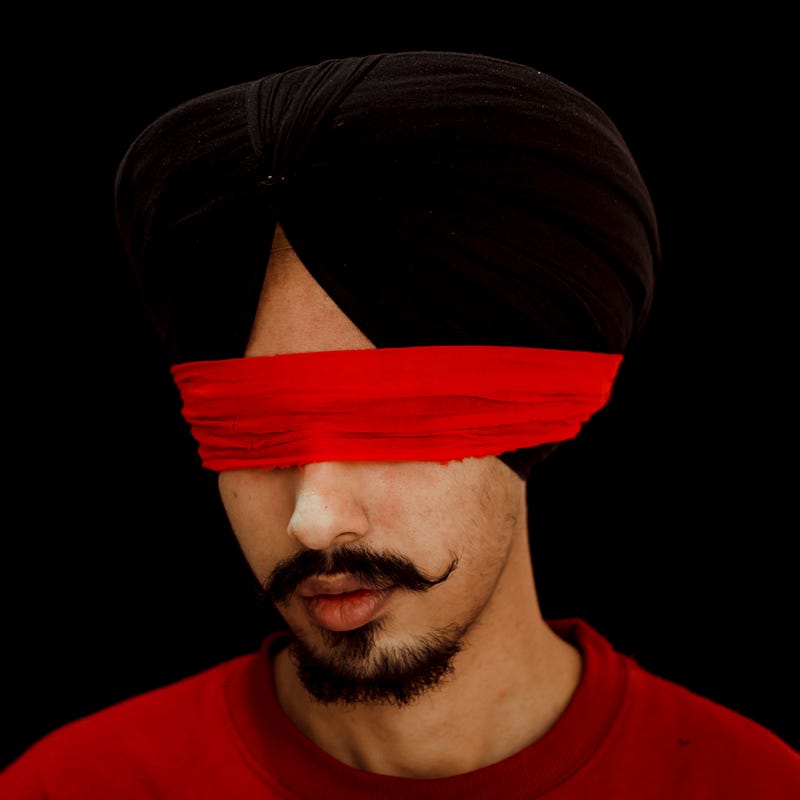
Photo by Dollar Gill on Unsplash

Third person means a narrator is telling the story about other people by incorporating the pronouns: he, she, they.

However, several choices offer writers different possibilities in presentation.

The narrator can be omniscient, limited omniscient, or objective.

Each term is defined below with an example.

Third person limited omniscient

Omniscient is the ability to have complete, unlimited knowledge; it means all knowing. When a narrator knows thoughts, feelings, and significant past of more than one character in the story they are omniscient. An omniscient narrator would never need to refer to Google for information. She would be aware of everything that happened in the past as well as what will occur in the future. This knowledge allows the reader to hear the characters’ thoughts, dreams and desires as well as understand the character’s motivations.

The best comparison to explain an omniscient narrator is to imagine them as a god drifting above the events with the ability to be all knowing about everything. There never exists a need to say “maybe” or “perhaps” because they always know.

Third person limited omniscient

The key word here is limited. This POV restricts the narrator’s knowledge to the thoughts, feelings, and experiences of a single character. Sometimes they might branch out to a couple of characters but again, the key word is limited. They remain unable to explore the minds and hearts of the secondary characters.

Third person objective

In this case the narrator has no powers greater than simple humans. They can only report what they see and hear. They do not report anyone’s thought or feelings. Think of the examples earlier in this article that shared the different interpretations a police officer might hear when recording statements for an accident report. He is an objective listener who only writes what others say. The witnesses are objective observers who only tell what they see or hear. They can guess what someone is thinking, but they cannot know unless they are told.

Compare the differences of third person point of views

When a writer controls the amount of information that is presented to the reader, they control the emotions, the manner in which the events occur, the level of suspense. The angle from which the story is told should be a conscience choice. Read the following paragraphs and notice how each takes on a different tone simply by altering the POV. These examples come from an internet SlideShare, author unknown.

Omniscient example

Lilly shivered and tried unsuccessfully not to sob while sitting alone under the tree. She was more embarrassed and miserable than she had ever been. Jacob felt a pang of pity for her, and though he worried what the others might say, he walked to her, sat beside her, and offered her his jacket.— Author unknown

Notice an all-knowing narrator reveals the feelings and thoughts of both characters, information that would be beyond the knowledge of an objective narrator.

Limited omniscient example

The narrator demonstrates both characters’ actions but only Jacob’s feelings are shared because the writer has limited knowledge.

Lilly shivered and sobbed while sitting alone under the tree. Jacob felt a pang of pity for her, and though he worried what the others might say, he walked to her, sat beside her, and offered her his jacket.— Author unknown

This second example also shares a limited POV, but the narrator is omniscient about Lilly and does not report anything about Jacob other than what is observed.

Lilly shivered and tried unsuccessfully not to sob while sitting alone under the tree. She was more embarrassed and miserable than she had ever been. He walked to her, sat beside her, and offered her his jacket.— Author unknown

Follow Strategies for Writing, a new space for writers. A series of posts in a question — answer format support writers with inspiration and responses to those question you’ve always wondered about.

Posts require only 2–4 minutes to read so writers have time to write. Visit often!

Omniscient
Point Of View
Writing
Writing Tips
Writer
Recommended from ReadMedium