
What Is the Current Ratio of Russian to Ukrainian Artillery Fires Per Day?
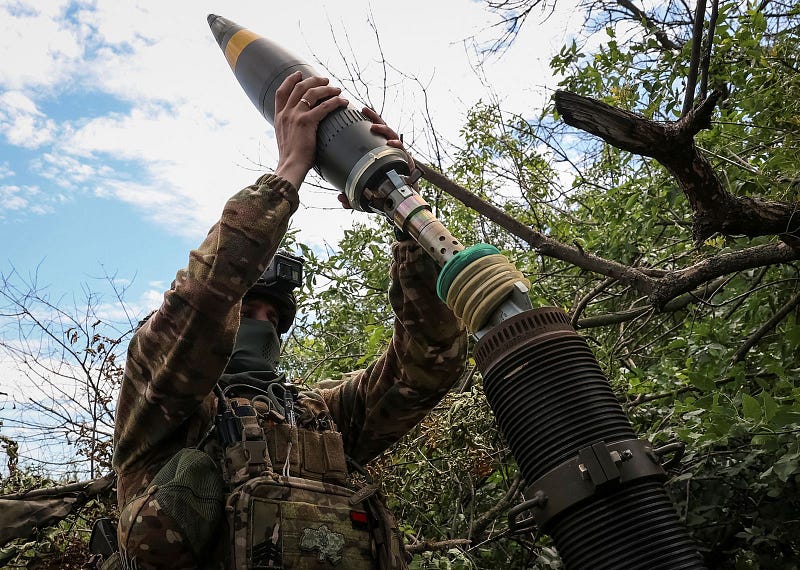
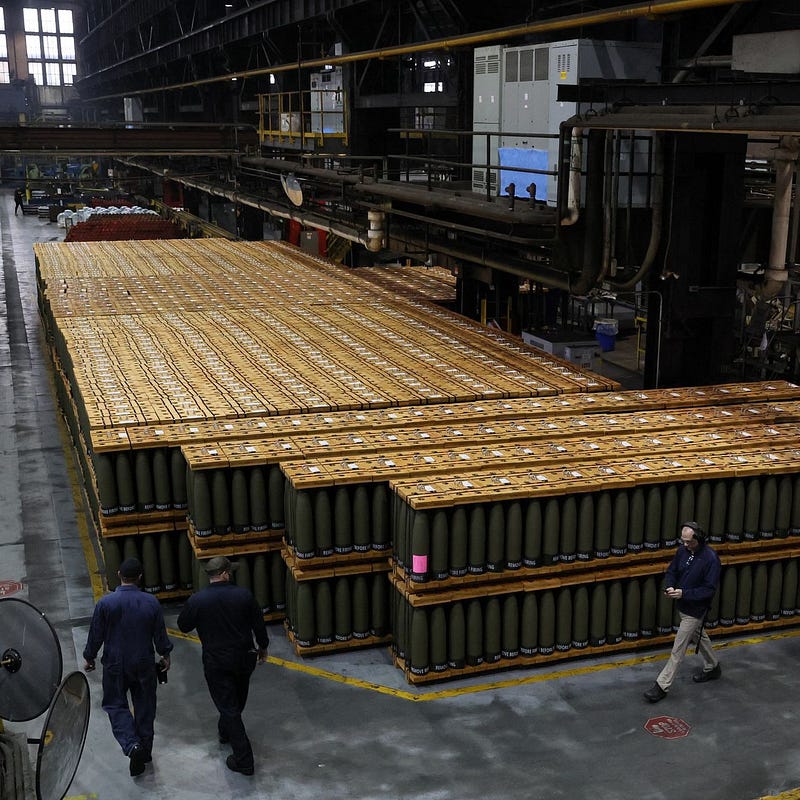
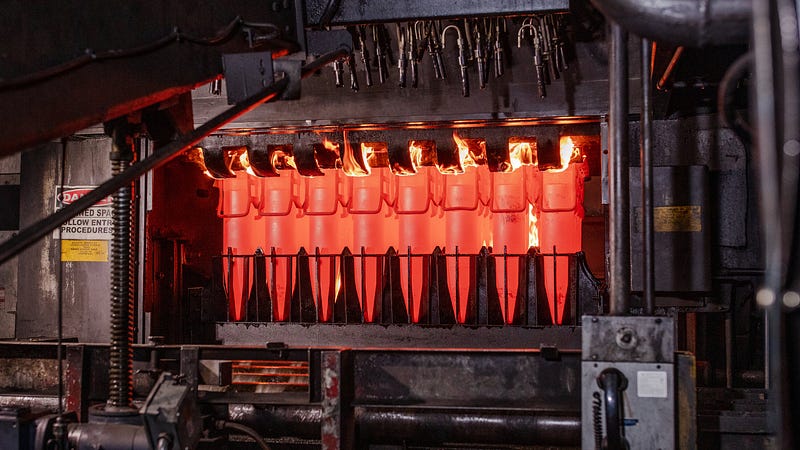
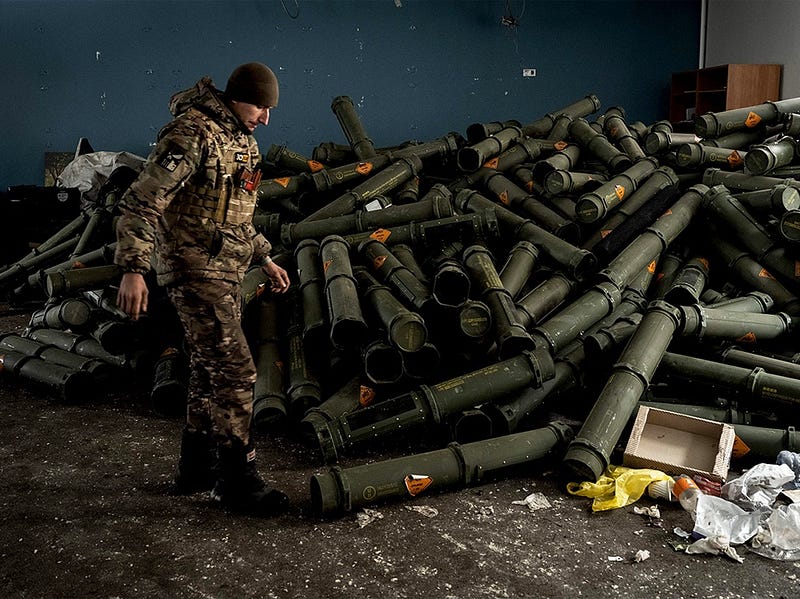
As the Russo-Ukrainian War grinds on into its third year, a critical factor is emerging that could determine the outcome of the conflict: artillery ammunition production. According to recent NATO intelligence estimates, Russia is currently producing about 250,000 artillery shells per month, amounting to roughly 3 million rounds per year. In stark contrast, the United States and Europe combined have the capacity to generate only around 1.2 million munitions annually for Ukraine, as reported by a senior European intelligence official.
This vast disparity in production capacity is a dire warning for Ukraine and its Western allies. The U.S. military set a goal to produce 100,000 rounds of artillery a month by the end of 2025, which is less than half of the Russian monthly output. However, even that number is now out of reach with $60 billion in Ukraine funding stalled in Congress. This conflict has become a production war, and the outcome in Ukraine depends on how each side is equipped to conduct this war.
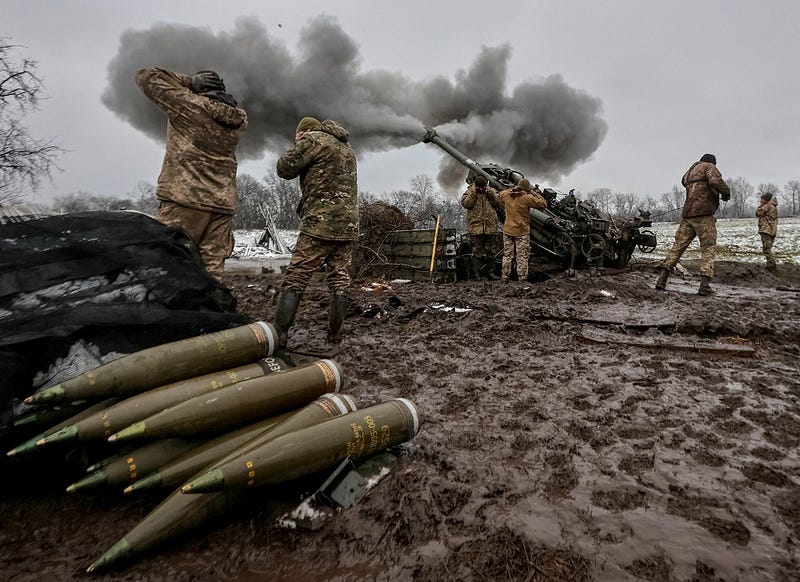
Russia is currently firing around 10,000 shells a day, compared to just 2,000 a day from the Ukrainian side. The ratio is worse in some places along the 600-mile front, according to a European intelligence official. This shortfall comes at perhaps the most perilous moment for Ukraine’s war effort since Russia first marched on Kyiv in February 2022. U.S. money for arming Ukraine has run out, and Republican opposition in Congress has effectively halted giving any more. Meanwhile, Russia recently took the Ukrainian city of Avdiivka and is widely seen as having the initiative on the battlefield. Ukraine is struggling not just with ammunition but also growing manpower shortages on the front lines.
A quick heads-up: Medium’s been tweaking its algorithms and it’s getting trickier for my stories to land in your feed. So, if you enjoy my work, please make some noise! Hit that clap button, light up the highlights, or drop a comment. Every interaction helps keep the stories flowing. Thanks for your support!
Moscow has also ramped up its military production, operating artillery factories around the clock with 12-hour rotating shifts. The workforce in Russia’s defense sector has surged to approximately 3.5 million people, an increase from the pre-war figure of 2 to 2.5 million. In addition to boosting domestic production, Russia has been importing significant quantities of ammunition, with Iran supplying at least 300,000 artillery shells last year, and possibly more. Furthermore, North Korea has contributed to Russia’s arsenal by delivering at least 6,700 containers filled with millions of shells. Russia is fully committed to the conflict, with its military apparatus operating at maximum capacity.
A rough equivalent in the U.S. would be if President Joe Biden invoked the Defense Production Act, a U.S. official said, which gives the president power to order companies to produce equipment expeditiously to support the nation’s national defense. Russia’s ramp-up is still not enough to meet its needs, according to U.S. and Western officials, and Western intelligence officials do not expect Russia to make major gains on the battlefield in the short term. There is also a limit to Russian production capacity, officials say: Russian factories will likely hit a peak sometime in the next year. But it’s still far beyond what the U.S. and Europe are producing for Ukraine – especially without additional U.S. funding.
European countries are actively working to mitigate the ammunition shortfall. A German defense firm announced plans to set up an ammunition factory in Ukraine, aiming to produce hundreds of thousands of 155mm caliber rounds each year. Simultaneously, this company started building a new factory in Germany, expected to generate around 200,000 artillery shells annually. Despite Russia’s ability to quickly enhance its production capabilities, drawing on methods akin to the centralized control and planning of the Stalinist era, western nations are on track to equal and eventually exceed Russia’s output with higher-quality military equipment.
Intelligence officials maintain that significant immediate gains by either side are unlikely, yet they suggest that the strategic advantage could tilt towards Moscow over time, especially if anticipated U.S. support fails to come through. Russia has intensified efforts to disrupt Ukraine’s domestic defense capabilities using long-range weapons, shifting focus to both critical infrastructure and the Ukrainian defense industry. A senior NATO official indicated that Russia is manufacturing 115 to 130 long-range missiles and 300 to 350 one-way attack drones monthly, modeled after Iranian designs supplied by Tehran. While Russia’s pre-war reserves included thousands of long-range missiles, the current count is estimated to be around 700.
The Russians have lately conserved those weapons to use in large volleys to try to overwhelm Ukrainian missile defenses. And they have compensated by increasing their use of drones, sending out on average four times as many drones per month as they did last winter. Perhaps Russia’s biggest challenge has been in tank and other armored vehicle production. It is churning out about 125 tanks a month, but the vast majority are older models that have been refurbished. About 86% of the main battle tanks Russia produced in 2023 were refurbished, and although Russia has about 5,000 tanks in storage, a large percentage of those can’t be refurbished and are only good for cannibalizing parts. Moscow has lost at least 2,700 tanks, more than twice the total number that they deployed initially to Ukraine in February of 2022, when the invasion began.
We should also closely monitor Russia’s economy for signs of how the interaction between a supercharged defense sector, Western sanctions, and Putin’s efforts to bolster his economy for war affects Russia’s ability to sustain the conflict. The conflict has fundamentally altered Russia’s economic landscape, shifting from the post-Soviet era where oil dominated to a present where the defense sector is the largest. Oil revenues now fund this sector. This transition is likely to lead to significant long-term challenges for Russia. However, in the immediate future, particularly over the next 18 months, the economy, despite its lack of sophistication, is expected to remain resilient.
The West must not underestimate Russia’s resolve to outlast Ukraine in this conflict. The stakes in this war extend far beyond the borders of Ukraine. If Russia is allowed to succeed in its aggression, it will set a dangerous precedent for other authoritarian regimes seeking to expand their territories through force. The West must recognize that its values of democracy, human rights, and the rule of law are under direct threat.
The future of Europe and the international order hangs in the balance. We cannot afford to stand idly by while Russia seeks to redraw borders through force and intimidation. Ukraine’s courageous defenders need our unwavering support in this pivotal moment. It is our responsibility to ensure that they have the tools and resources they need to prevail against Russian aggression and secure a future of peace and freedom for their nation and for all of Europe.
I invite you, dear reader, to share your thoughts on this crucial issue in the comments below. Together, we can send a powerful message to our leaders that the world stands with Ukraine in its fight for sovereignty and self-determination. Your voice matters, and your support can make a real difference in the outcome of this conflict. Let us stand united in defense of freedom and justice, and let us never waver in our commitment to a more peaceful and prosperous future for all. Please share this article widely to help raise awareness about the critical importance of supporting Ukraine in its struggle against Russian aggression. Together, we can make a difference.


