
What is Seasonal Depression or Seasonal Affective Disorder?
Recognize SAD and treat it with these simple tips.
As we venture into the colder months, we may begin to experience higher rates of sadness, depressive symptoms, and/or feelings of isolation. The days become shorter and the daylight feels so limited. While the exquisite transition of leaves provides a divine sight, the abrasive cold that accompanies it may leave us feeling uneasy or SAD.
Seasonal affective disorder or SAD affects 15 million adults in the United States per year or 6.8% of the population on average. With that, 1–2% of the population experience more serious effects. It can show up in different ways, but many show symptoms of:
- fatigue
- low energy
- lethargy
- apathy, and so forth.
The Winter Blues are common among many, without obvious reason aside from the lack of sunshine and provided warmth from Mother Earth.
Autumn serves as a wonderful reminder to welcome change and may serve as an opportunity for healing to happen. Just like everything in life, with good, comes the not-so-good. Fall festivities like pumpkin picking and baking apple pie are fun, but seasonal depression certainly isn’t.

3 Signs You May Be Suffering From Seasonal Affective Disorder 😥
- You’re sleeping too much or too little. Insomnia is a sign of depression. Chronic fatigue may stem from mental stress, an irritable mind, or disinterest in activities that typically bring you pleasure. SAD is caused by changes in our circadian rhythm (sleep/wake cycle), and changes in sleep hormones like melatonin and serotonin.
I enjoy these almond butter melatonin “smoothies” on nights when I’m tossing and turning. They really do the trick.
[Disclaimer: affiliate link, thanks for your support]
During the winter months, it gets darker outside earlier than what we are accustomed to. This disrupts our internal alarm clock. This can cause our body to produce an excess of melatonin, leaving us feeling uncomfortably drowsy. We can potentially toss and turn through the night, or even oversleep.
2. You’re experiencing appetite or significant weight changes. Fight late-night sugary cravings with healthy alternatives. Be sure to eat food high in omega-3s (which help fight depressive symptoms) like walnuts, soybeans, and seaweed.
I take plant-based omega 3’s on a daily basis, sourced from algae. I alternate between these two from Zenwise and Freshfield.
3. You have frequent mood swings. As mentioned in a previous point, reduced exposure to natural sunlight can lead to a drop in serotonin, which may trigger depression. People may experience unusual bouts of anger, irritability, or feelings of being “on edge.” Plus, excessive anxiety or randomly feeling the need to cry.
While these are all normal responses to drastic hormonal changes, it’s important to reach out for help if mood swings get serious and feel impossible to manage. Some serious symptoms of SAD include suicidal thoughts and ideologies.
Remember that there is always help available, and spring is always closer than you realize. In the summer, these symptoms are simply healed with sunlight, since the sun naturally produces a rise in serotonin levels in the body. This explains why the weather has a lot to do with our mood at times.
Vitamin D 🌞
As someone who lives in the Northeast region of the US, it is widely recommended to supplement with vitamin D, even during the summer months, since our geographical region does not get enough of it. Supplementing this essential nutrient over the winter is monumental.
I have been taking this particular vitamin D for over a year now, and it’s one of the best I have tried.
Deficiencies can lead to symptoms like fatigue, body aches, and impaired wound healing among other things that can lead to depression and osteoporosis if left untreated.
Taking a simple supplement in addition to consuming foods high in vitamin D like gourmet mushrooms, fortified plant milks, and tofu, among other foods, is essential. Vitamin D is also needed for the body’s proper absorption of calcium.
Talk Therapy 🗣
Talk therapy is when you regularly see a trained mental health expert. This may be a therapist or a social worker. You may also take interest in a support group that consists of a group of individuals with a similar background or experience(s).
Some types of support groups are AA (alcoholics anonymous), grieving groups, substance abuse groups, sexual abuse groups, (NEDA) eating disorder groups, and more.
If you are opposed to a group session, individual one-on-one talk therapy sessions with a therapist may be just what you need to address your emotional regulation and depressive symptoms.
Wake Up With Purpose & Move 💃🏻
No matter the amount of light that’s peaking in through the windows, express gratitude for the day, for life, and have a reason to get out of bed and start your beautiful new day on this earth.
Maybe you start your day with some sort of movement. Dance, yoga, a walk outside
…it doesn’t matter, just move your body!
My exercise of choice is Zumba to get my heart pumping. I do enjoy pilates do for the core work that leaves me feeling refreshed and energized. Find what works for you and your schedule.
Even if you can only carve out ten minutes of movement per day, that is totally better than nothing and should be celebrated.
Your disposition will greatly improve.
Take Advantage of the Light ☀️
Make time during the day every day to get outside and take advantage of the sun, even on chillier days. Getting that natural vitamin D will boost your spirits, maintain some feelings of normalcy from the summer months, and help you absorb the healing rays that nature so kindly provides us.
Something as simple as taking a ten-minute walk will do more than you realize, and the more time you can spend outside, the better. Also, make an effort to keep the curtains drawn in your house during daylight hours to allow the natural light to pour in.
If that doesn’t seem to be enough, consider light therapy.
Light Therapy 💡
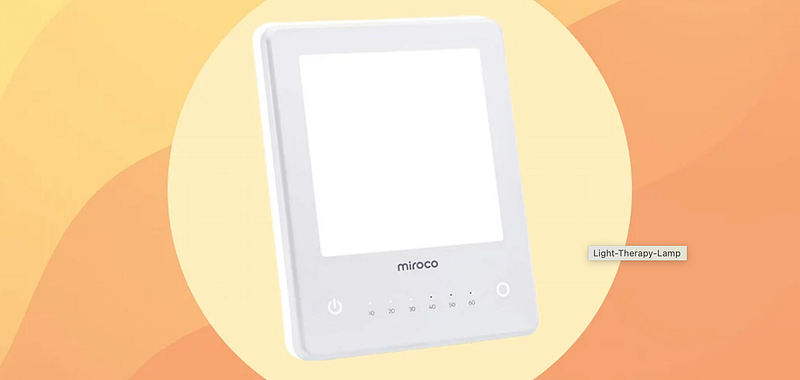
Light therapy is an effective way to treat Seasonal Affective Disorder. It works by exposing the patient to artificial light. During treatment, the individual will sit or work near a device called a light therapy box.
This box emits light that looks like natural light. The patient should be exposed to this box for at least 30–45 minutes per day, typically in the morning. Keep in mind that this light does not let off any UV radiation, nor does it generate heat.
According to the National Institute for Health, this box should emit light at 10,000 lux (about 20 times greater than regular indoor lighting).
Health.com digs deep into the best light therapy boxes they could round up for 2021.
Remember to reach out to loved ones or professionals if you are seriously struggling with highly depressive and suicidal symptoms during the winter months. Call the National Suicide Prevention Hotline 800–273–8255.
Help is always just one call away。
🆂🆄🆉🍊

Tap into positivity at Live Life Now, my new blog✨Have questions? Sign up for a tier to get 1on1 access with me.Become a Medium member today or leave a tip. ❤️