
What is OSI Model in Computer Network? The 7 OSI Layers Explained
Mastering the OSI Model in Computer Network & Unraveling the Seven Layers of OSI
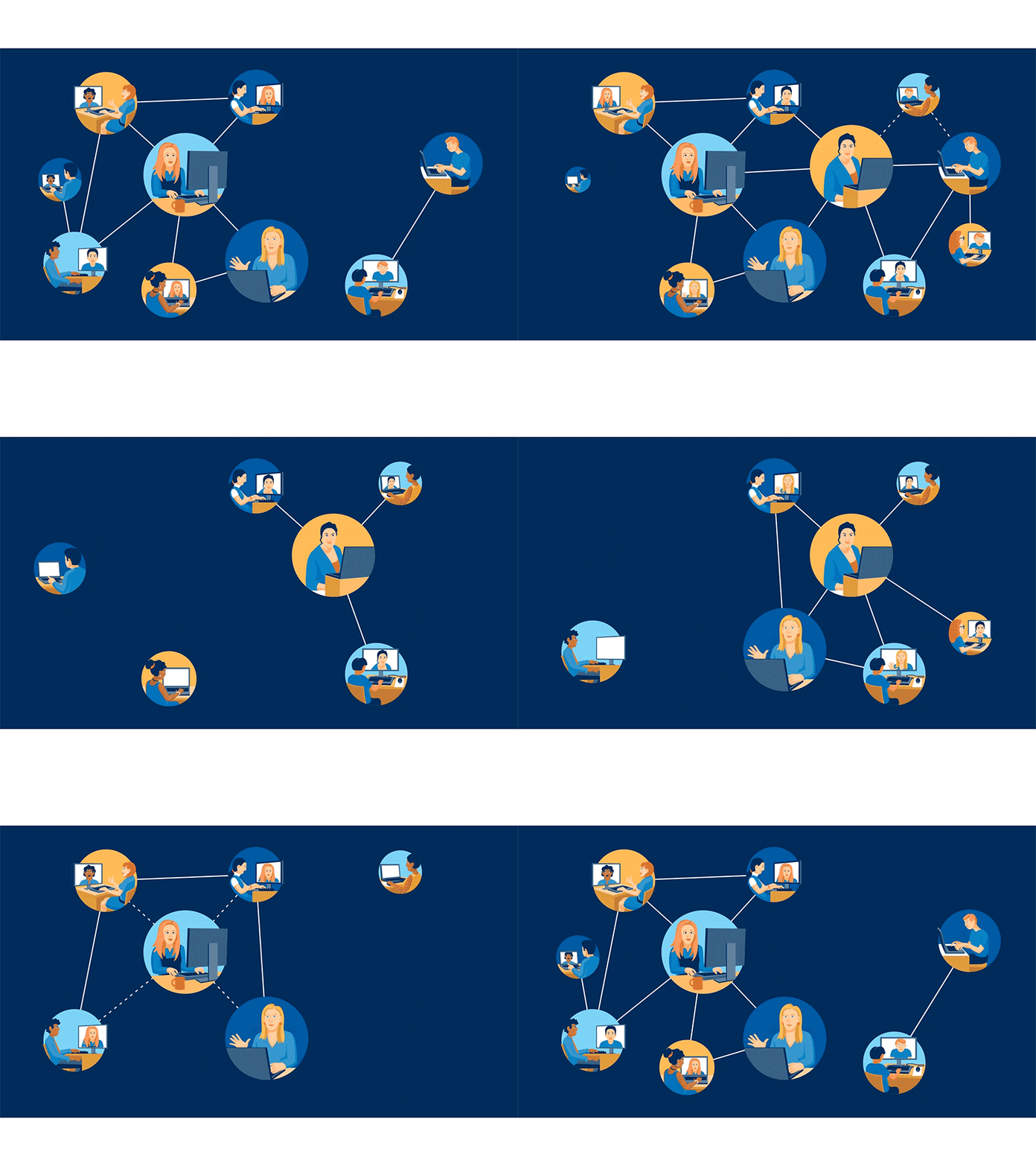
The OSI Model is like the unsung hero of computer networking — quietly working behind the scenes to ensure your internet browsing, streaming, and online communication run seamlessly. So, in the vast realm of computer networking, understanding the OSI Model is akin to grasping the blueprint of connectivity. It serves as the foundation upon which modern networks are built, allowing seamless communication between devices. But what exactly is the OSI Model in computer network, and why is it so important in the world of computer networks?
In this article, we will delve into the intricacies of the OSI Model with examples, dissecting its layers and unveiling its significance.
TLDR; Don’t have time to read? Here’s a video to help you understand what is OSI Model and OSI layers explained in detail.
What is the OSI Model in Computer Network?
At its core, the OSI Model stands for “Open Systems Interconnection Model”. It’s a conceptual framework that standardizes the functions of a telecommunication or computing system into seven distinct layers. These layers work together to ensure that data is transmitted effectively from one point to another, whether it’s across the room or across the globe.
The Seven OSI Layers Explained
Imagine the OSI Model as a seven-layered cake, each layer playing a unique role in delivering a delicious, error-free data experience. Let’s slice into these layers:
Layer 1: Physical Layer
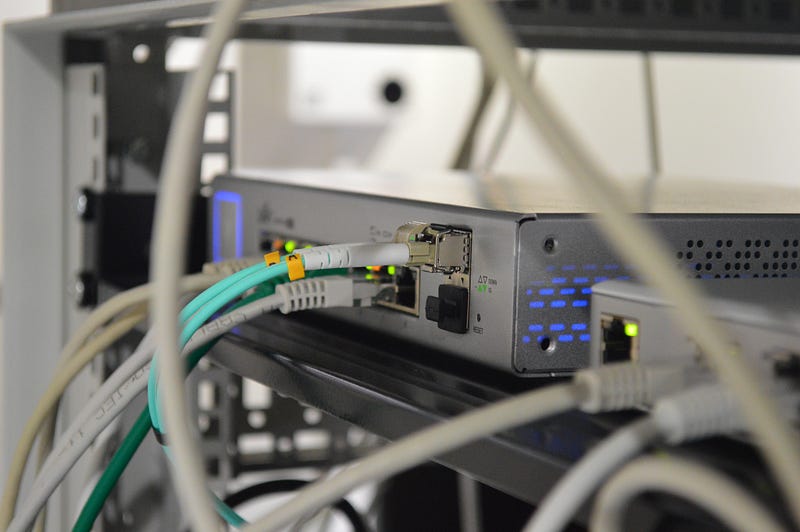
The OSI Model’s first layer, the Physical Layer, is the bedrock of network communication. It deals with the hardware aspects of connectivity, encompassing cables, switches, and hubs. Think of it as the construction of roads in a city; without a sturdy foundation, traffic flow would be chaotic.
The Physical Layer’s functions include transmitting raw binary data and managing physical connections. To put it simply, it’s responsible for translating digital information into signals that can travel across physical mediums.
Analogies: Just as roads have traffic lights to control the flow of vehicles, the Physical Layer uses voltage levels to manage data transmission.
Protocols: Ethernet and Wi-Fi are examples of protocols that operate at the Physical Layer. Ethernet uses physical cables for data transmission, while Wi-Fi uses wireless radio waves.
Layer 2: Data Link Layer
Moving up the OSI Model ladder, we reach the Data Link Layer. Here, data packets are transformed into frames for efficient transmission. This layer ensures error detection and correction, akin to a postal service that checks and repairs damaged letters before delivery.
Protocols: The Point-to-Point Protocol (PPP) and Ethernet are examples of protocols that operate at the Data Link Layer. PPP is often used for dial-up and DSL connections, while Ethernet is prevalent in local area networks (LANs).
Layer 3: Network Layer
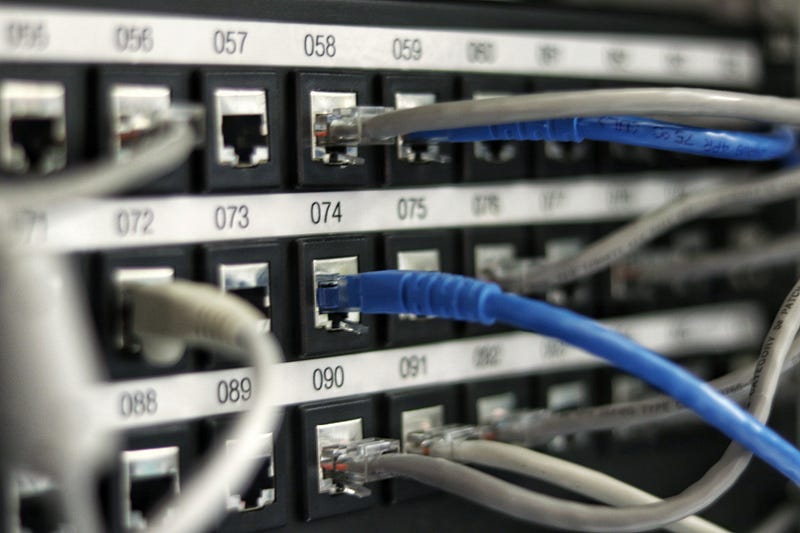
The Network Layer is like a GPS system for data packets. It handles routing, determining the best path for data to travel across interconnected networks. IP addresses play a crucial role here, acting as digital destinations.
Protocols: Internet Protocol (IP) and Internet Control Message Protocol (ICMP) are examples of protocols that operate at the Network Layer. IP is responsible for routing and addressing, while ICMP is used for network diagnostics.

Layer 4: Transport Layer
Imagine the Transport Layer as a dispatcher. It ensures that data reaches its intended recipient and manages end-to-end communication. It’s responsible for breaking large messages into smaller segments and reassembling them at the destination.
Protocols: Transmission Control Protocol (TCP) and User Datagram Protocol (UDP) are examples of protocols that operate at the Transport Layer. TCP ensures reliable, ordered data delivery, while UDP provides fast, connectionless communication.
Layer 5: Session Layer
Think of the Session Layer as a conductor at a symphony orchestra. It manages and maintains sessions between devices, allowing them to communicate seamlessly. It sets the stage for meaningful data exchange.
Protocols: NetBIOS and Remote Procedure Call (RPC) are examples of protocols that operate at the Session Layer. NetBIOS facilitates communication between computers on a LAN, while RPC allows programs to execute procedures on remote servers.
Layer 6: Presentation Layer
This layer acts as a translator, making sure that data from one device can be understood by another. It handles data encryption, compression, and formatting, ensuring compatibility between different systems.
Protocols: Secure Sockets Layer (SSL) and Hypertext Transfer Protocol Secure (HTTPS) are examples of protocols that operate at the Presentation Layer. SSL encrypts data for secure transmission, and HTTPS secures web communications.
Layer 7: Application Layer
At the top of the OSI Model hierarchy, the Application Layer is like the user’s interface with the network. It provides services and interfaces that allow users and applications to interact with the network.
Protocols: Hypertext Transfer Protocol (HTTP) and Post Office Protocol version 3 (POP3) are examples of protocols that operate at the Application Layer. HTTP is used for web browsing, while POP3 retrieves email from a mail server.
How the OSI Model Works
Understanding how the OSI Model works is crucial for network professionals. It involves data encapsulation, where each layer adds a header or footer to data before passing it to the next layer.
This process ensures that data is properly packaged for transmission. Communication flows smoothly as data travels from the Application Layer to the Physical Layer and vice versa.
To truly grasp the working of the OSI Model, let’s delve into how these layers interact and what functions they perform.
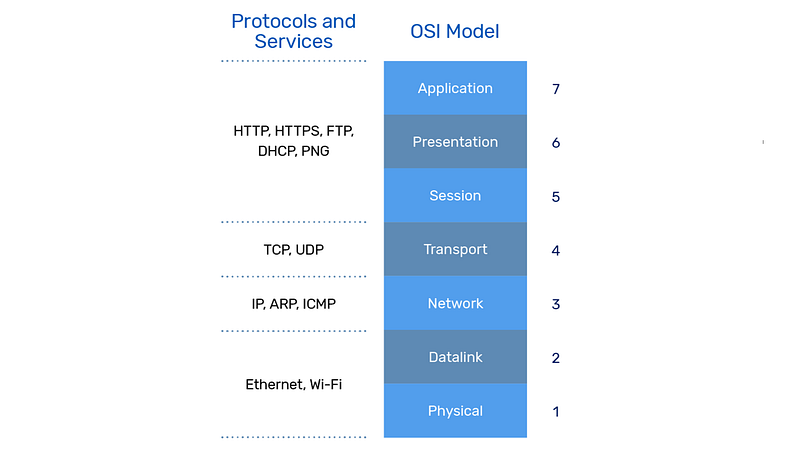
Layer Interactions
Think of the layers as a team of specialists working together in a hospital. Each has its role, but they collaborate seamlessly to ensure the patient (your data) receives the best care.
Layer Functions
Here’s a quick rundown of what each layer does:
- Physical Layer: Handles the raw transmission of bits over a physical medium.
- Data Link Layer: Manages access to the physical medium and ensures error-free data transfer within a local network.
- Network Layer: Routes data packets between different networks, like a GPS for your data.
- Transport Layer: Ensures data arrives intact and in the right order at its destination.
- Session Layer: Manages and maintains communication sessions between devices.
- Presentation Layer: Translates and formats data for compatibility between different systems.
- Application Layer: Provides user interfaces and network services for applications.
Why is OSI Important?
Now that we’ve uncovered the layers, you might be wondering why the OSI Model matters. Well, it’s the backbone of modern networking for several reasons.
Benefits of OSI Model
- Standardization: The OSI Model provides a standardized framework that allows different vendors and technologies to work together seamlessly. It’s like having a universal language for networking.
- Troubleshooting: When issues arise in a network, the OSI Model helps network administrators pinpoint where the problem lies. It’s like having a map that guides you to the root cause.
- Scalability: As technology evolves, the OSI Model adapts. New layers or functions can be added without disrupting the existing structure, ensuring networks can grow and evolve.
Troubleshooting with OSI Layers
When network issues arise, the OSI Model can be your best friend.
Some Common Issues
- Slow Internet: It could be a transport layer issue, where data isn’t flowing smoothly.
- Can’t Access a Website: Application layer problems might be the culprit.
- No Connection: Start with the physical layer; check your cables and connections.
Diagnostic Approach
To troubleshoot effectively:
- Identify the Layer: Determine which layer is likely causing the problem.
- Isolate the Issue: Focus on the specific components or devices within that layer.
- Test and Verify: Use diagnostic tools and tests to confirm the problem.
- Fix and Monitor: Implement solutions, and keep an eye on the network’s performance.
Some Real-World Applications
The OSI Model isn’t just a theoretical concept; it has real-world applications that impact our daily lives.
- Networking Devices: Routers, switches, and firewalls are designed with the OSI Model in mind. Understanding which layer they operate in helps network administrators configure and manage them effectively.
- Protocols: The Internet wouldn’t function without protocols that adhere to the OSI Model. HTTP, FTP, and SMTP are just a few examples of protocols that govern data transmission on the web.
Conclusion
In summary, the OSI Model is the unsung hero of modern computer networks. It provides a structured framework for understanding how data flows, making it easier to design, troubleshoot, and maintain networks.
Each layer plays a vital role, much like the different components of a well-orchestrated symphony.
As networks continue to evolve, the OSI Model remains a timeless guide, ensuring that our digital world stays interconnected.
Final Thoughts
As technology advances, the OSI Model evolves alongside it. New layers and concepts may emerge to meet the demands of an ever-changing digital landscape. Nevertheless, its core principles of layering, encapsulation, and interoperability will continue to be the cornerstones of networking.
Frequently Asked Questions or FAQs
1. What is the OSI Model’s purpose?
The OSI Model serves as a framework for understanding how data communication occurs in computer networks. It helps in designing, troubleshooting, and maintaining networks by breaking down the process into distinct layers.
2. How many layers are there in the OSI Model?
The OSI Model consists of seven layers: Physical, Data Link, Network, Transport, Session, Presentation, and Application.
3. Can you provide an everyday analogy for the OSI Model?
Certainly! Think of the OSI Model like sending a letter. The Application Layer is writing the letter, the Transport Layer ensures it’s properly packaged, the Network Layer finds the address, and the Physical Layer is the actual mail delivery.
4. Are there any alternatives to the OSI Model?
While the OSI Model is widely accepted, some alternative models exist, such as the TCP/IP model, which is prevalent in modern networking.
5. Is the OSI Model still relevant in today’s networking landscape?
Absolutely. The OSI Model’s principles remain fundamental in understanding network communication, and it continues to be a valuable tool for network professionals.
6. Is the OSI Model the same as the TCP/IP model?
No, they are not the same. The OSI Model is a conceptual framework, while the TCP/IP model is a practical implementation widely used in networking today. Both serve similar purposes but have different structures.
You may also like,


