
What is Intermittent Fasting?
In a nutshell, Intermittent Fasting refers to an eating regime where you cycle between periods of fasting and periods of eating.
The periods of eating are often referred to as an “eating window.”
There are dozens of combinations of Intermittent Fasting.
Here are a few of the most common fasting periods:
- 12 hour fasting. Normally you would stop eating at 7 or 8 PM on one day and not eat until 7 or 8 AM the next morning.
- 18 hour fasting. You would fast starting at 7 or 8 PM on one day and not eat until 12 or 1 PM the next day. Basically you are skipping breakfast. If you plan on doing this daily, you have a 7 hour eating window … from 12 noon until 7 PM.
Longer Fasts include:
- 24 hour fasting or one-meal-a-day fasting. Most people had dinner one day and then don’t eat until dinner (same time) the next day. Some people alternate eating one day and fasting the next day as a lifestyle, while others do the 24 hour fast one or two times a week.
- 36 hour fasting. If you finish dinner at 7 or 8 PM on the first day, you skip all meals on the second day and don’t eat again until 7 or 8 AM on the third day.
- 42 hour fasting. Finish dinner at 7 or 8 PM on the first day, do not eat at all on day 2 and on day 3 your eating window opens at 12 or 1 PM.
Even longer Fasts:
- Seven to Fourteen Day Fasts. Many people undertake longer fasts for religious or health reasons. There are compelling studies that show amazing health benefits from longer fasting periods. For example Dr. Janson Fung often starts his severely obese and diabetic patients off on a seven to fourteen day fast. He says that first of all it is easier than trying to ease into it, and secondly it results in a significant improvement in blood glucose levels much faster.
- Longer — up to a month or more.
The longest fast on record?
In the 1970’s under a Doctor’s supervision (and a pile of researchers collecting data), a man started fasting at the weight of 456 pounds. He fasted for 382 days having only water and some vitamin supplements.
He stopped when he got to 180 pounds … a total weight loss of 276 pounds.
Five years later he had maintained a weight of 198 pounds.
The magical thing about extended fasting is that once you get past the first two days, it gets easier and easier.
Intermittent Fasting Lifestyle
My lifestyle now incorporates Intermittent Fasting on an almost daily basis. Normally I have an eating window that opens anywhere from 2:00PM to 4:00PM and closes at 8:00PM (4 to 6 hours). I find this to be quite easy and allow my food intake to be determined by how I feel that day.
About once a month I will engage in two 42 hour fasts. Why? Because it makes me feel better and healthier. I feel a surge of energy and really notice an increase in mental clarity.
IF you are going to try this make it easier on yourself by slowly preparing yourself for your first longer fast. There is NO hurry, so take as much time as you need.
Here’s how I did it:
The first time I tried a longer (three day) fast, I spent over a month ramping up to it. I first started by getting rid of ALL sugar, grain products, beans, potatoes, and corn products. My next step was to lower my carb intake by switching over to the Keto Diet.
Transitioning into a 3-day fast was easy after that. The hardest thing is keeping busy. When you don’t have to shop or cook, it frees up a lot of time.
If you decide to do an extended fast cold turkey, expect a bit of a challenge.
Years later, my extended fasting ramp up still involves both Intermittent Fasting and the Keto Diet. As I narrow my eating window, I also cut back on my daily carb allowance.
Here is what my schedule looks like:
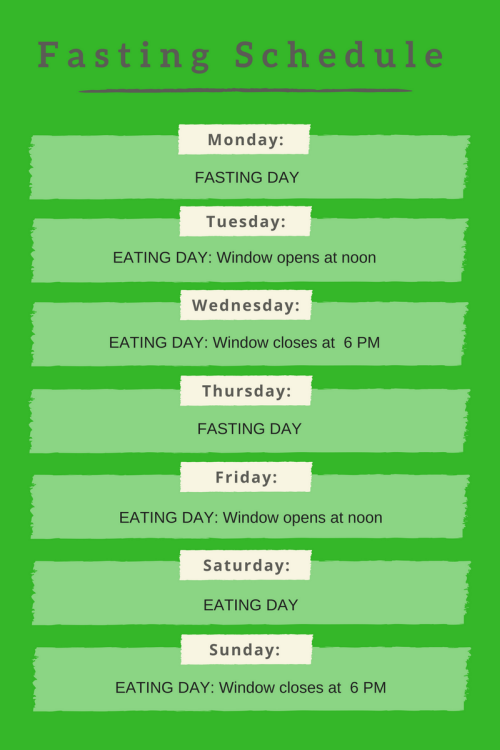
On FASTING DAYS I can have coffee, tea and lots of water. NO sweeteners.
On EATING DAYS I follow the Ketogenic Diet. I can have up to two meals per day with 10 grams (net) of carbs per meal.
If you want to know MORE about Fasting (including fasting for Diabetics) the BEST book on the subject is Dr. Jason Fung’s Complete Guide to Fasting.
Here is my Amazon link: The Complete Guide to Fasting: Heal Your Body Through Intermittent, Alternate-Day, and Extended Fasting
Melanie Rockett has been a freelance writer for over 40 years. About 15 years ago she was diagnosed with Diabetes — and began a long journey of discovery. Today she lives a sugar-free life and has lost 120 pounds.
Do YOU want to live sugar-free? Get regular story updates as well as fabulous sugar-free recipes by joining the Sugar Free Zone on Medium newsletter.