
Homeschooling is Not School at Home
It is much, much more freedom, fun, and a whole lot more.
Homeschooling is parents supporting, encouraging, and facilitating their children’s education rather than outsourcing it to a nearby (or not-so-nearby) government or private school.
By choosing this path, parents are writing the daily schedule (if there is one), creating the overarching learning philosophy/style of their home, and making curriculum choices. They are organizing all the outings, meet-ups, excursions, field trips, and park days for learning and play. This can be a lot of work and sometimes is. But, the pay-offs of having a strong relationship with my daughter, knowing her developmental needs are being met, and actually being a parent to my own child is more than worth it.
Homeschooling is not pandemic remote learning or distance learning. In both of these, the students are registered with a school. And the school is forcing the parents to do their dirty work — enforce their rules and meet their expectations with the threat of failing their children held over their heads.
Working Together
In homeschooling, children and parents work together to identify the children’s interests and needs, growth, and inhibitions and implement together a plan for exploring those interests, meeting those needs, encouraging growth, and overcoming inhibitions. In the early years, most of this work falls on the parents, as it should. Over time the work shifts to the child, again as it should be. As they enter their teens, the kids are taking the reins of their learning while parents take on more of a coaching, administrative role.
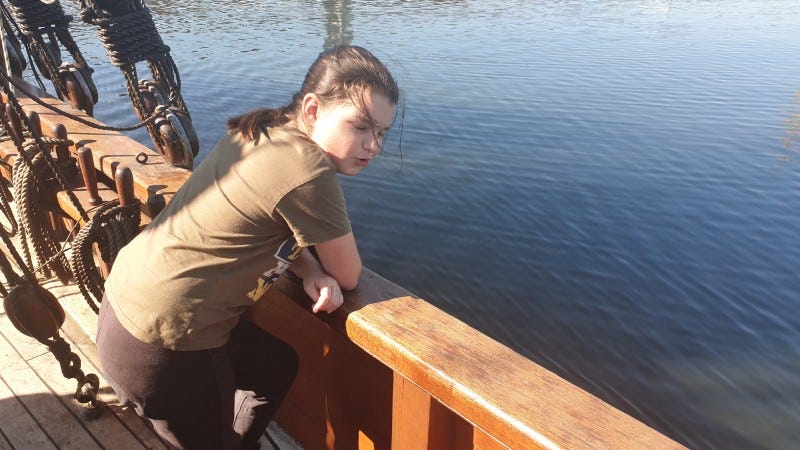
Homeschooling my daughter has been an adventure that I never would have undertaken on my own. And I am loving every minute of it. Her interests have taken me to snorkel and surf. We sailed on a replica of the historical ship Enterprise. Together, we have shared the joy of reading countless books aloud — both fiction and non-fiction.
There are many homeschooling philosophies or styles including Classical, Charlotte Mason, Waldorf/Steiner, eclectic, child-led, project-based, unschooling, and more. I will save unpacking in-depth descriptions of these for a future article.
Family Involvement
Homeschooling allows families the freedom to travel on their own schedule and visit popular venues during non-peak seasons. Children dive deeply into a topic that interests them for a long as that interest lasts. There is no homework that takes over family time in the evenings. But there may be enthusiastic learning happening that infects the family. There are no permission slips to sign, no fundraisers to push onto friends and family, and no school uniforms to buy.
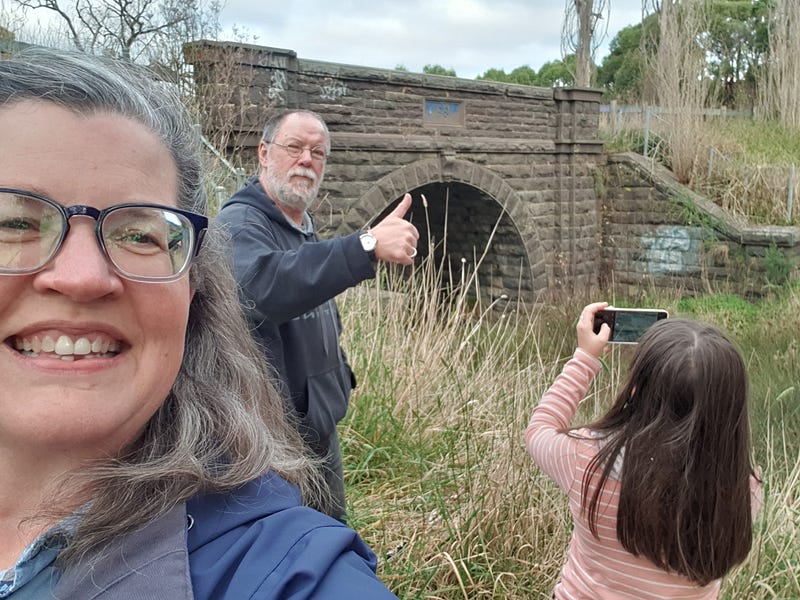
One unexpected benefit of homeschooling is that I know all of my daughter’s friends and their mums. All of her closest friends and their mums and dads have been in my home and I have been in theirs. They are my friends. We have been on outings and family camping trips, to BBQs and excursions together. When she gets invited to a sleepover I know exactly where she will be and who she will be with. This is immensely satisfying to me.
Personal Growth
Homeschooling my daughter is a journey of self-discovery for me and my partner. Both of us attended government schools. Our experiences in learning we limited to the classroom, lecture, and test model. Now, we are both gaining a whole new perspective of how learning happens all around us in everyday life. No textbook or tests are required.
Resources we use include fiction and non-fiction books from the library, documentaries and movies, board and table games, online educational apps and sites, a curriculum created by homeschoolers for homeschoolers, museums, parks, beach, nature trails, discussions over meals, online gaming group learning with friends, co-operative learning within the community, and many, many more.
What is homeschooling? it is a natural way of encouraging curiosity and learning in our children and ourselves. Homeschooling is a family lifestyle.
Books for learning more about homeschooling Teach Your Own by John Holt Free to Learn by Peter Gray
When you purchase through these links, I receive a small commission at no extra cost to you. Thank you.
When you become a member of Medium through this link, I receive a commission at no extra cost to you. Thank you.
Written by Ann Leach
Next article: Six Simple Steps to Start Homeschooling