
WHAT IS HAPPENING IN THE SOUTH CAUCASUS?
The Real Reason of Armenian Attack
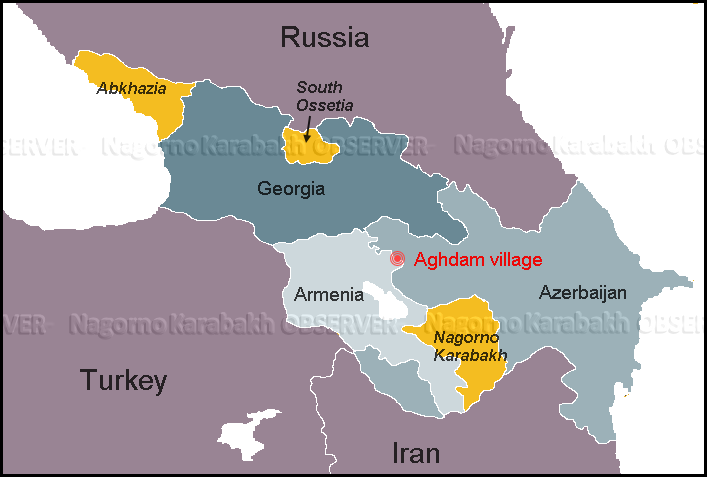
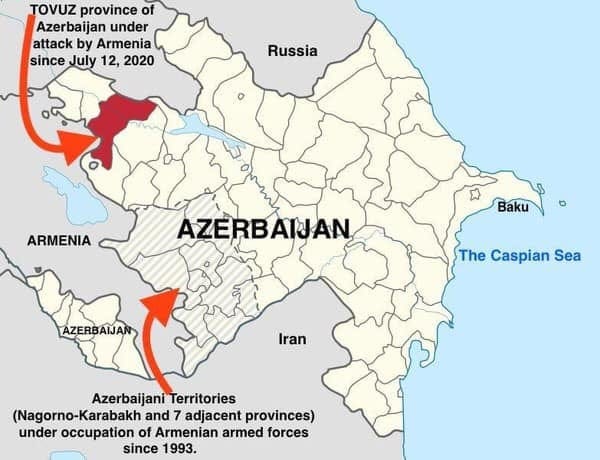
Armenia recently changed its point of attack on Azerbaijan from the Line of Contact between the troops of the two countries in Azerbaijan’s occupied Nagorno-Karabakh region to the Armenia-Azerbaijan border where it launched heavy artillery fire on July 12.
The far western Tovuz region of Azerbaijan located on the border with Armenia has become a hot spot for intense clashes between the two countries. The fact that Armenia assaulted Azerbaijan far from the main conflict zone in the Nagorno-Karabakh region raised questions about Yerevan’s intentions.
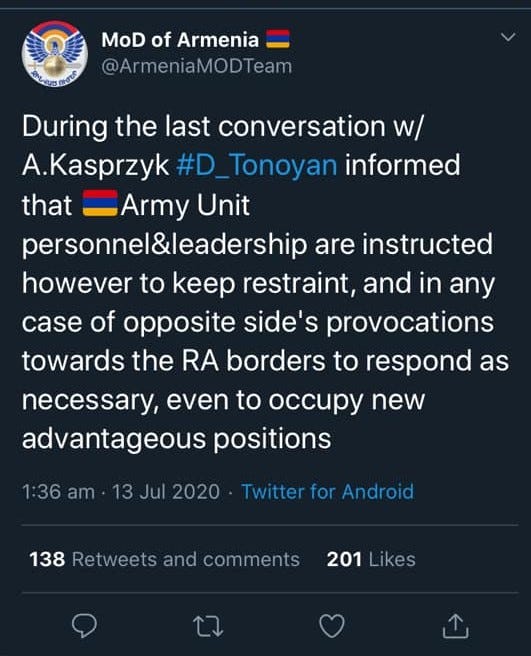
The Ministry of Defense of Republic of Armenia twitted about Yerevan’s intentions.
CITATION: “During the last conversation w/A.Kasprzyk #D_Tonoyan informed that Army Unit personnel&leadership are instructed however to keep restraint, and in any case opposite side’s provacations towards the RA borders to respond as necessary, even to occupy new advantageous positons.”
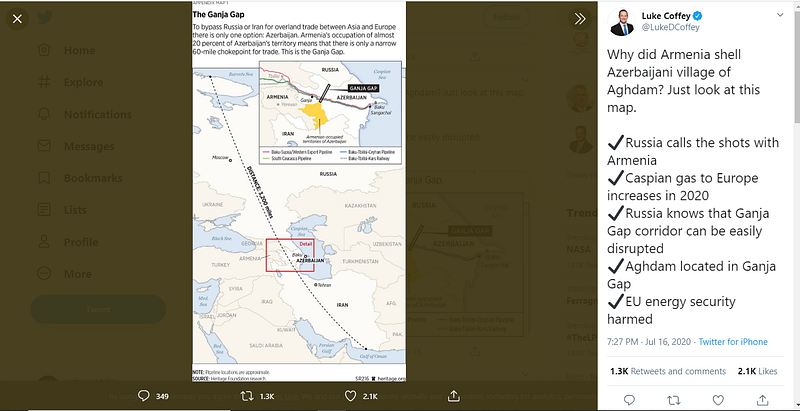
The Tovuz region is strategic position in the whole Caucasus region. But why Tovuz is so strategic, why Armenia want to occupy this region? The answer is simple. Azerbaijan’s major economic projects — oil and gas pipelines, railways are going over the Tovuz. What will happen if Armenia occupy this land? Actually, it is impossible to occupy this territory because of Azerbaijan’s high-tech army. But Armenia is not key player in the game. Easily we can say this time Russia is playing with fire. If they try bomb the main economic infostructures Turkey will protect not just Azerbaijan, also those projects. In 2016 Turkey was importing 52 percent of their gas from Russian Federation. But currently this number is 17.86 percent and Turkey is importing 34.8 percent of their gas from the Azerbaijan. As you see Russia lost almost 33 percent of their market shares in the Turkey.
Considering the fact that Azerbaijan’s Southern Gas Corridor is to become fully operational in the nearest few months and hence, contribute to European energy security, Azerbaijan has now become a target for belligerent naysayers in South Caucasus. Deliberate and targeted attacks against Azerbaijan in Tovuz district are an evidence of what’s happened and most importantly, what’s coming. This makes Azerbaijan’s abilities to withstand external military pressure extremely important. Over the past few years, US government has extended aid in millions to Azerbaijani military under the National Defense Authorization Act which enabled it to increase its defense capabilities against external threats. It is crucial that this aid is maintained and that the United States government continues to support its allies Azerbaijan, Georgia and Ukraine in the face of increasing pressure.
Tensions between Armenia and Azerbaijan have remained high for nearly 30 years, since the occupation of Azerbaijan’s Nagorno-Karabakh region by Armenia in the early 1990s. The anti-Azerbaijan sentiments in Armenia has later transformed into an all-out military campaign against Azerbaijan that has led to catastrophic consequences. The four-year war began in 1991 and ended in 1994 with a ceasefire after 30,000 Azerbaijanis were killed and one million others were displaced. Armenia now occupies Azerbaijan’s Nagorno-Karabakh region and seven surrounding districts.
Despite the four UN Security Council Resolutions demanding unconditional withdrawal of the occupying forces from Azerbaijani lands and political negotiations mediated by the OSCE Minsk Group, the government of Yerevan revokes all efforts to fetch a non-military resolution to the conflict.
In the third day of border clashes on 14th of July, armed forces of Armenia shelled civilian villages in Azerbaijan’s western Tovuz district killing a resident of the village by artillery fire. The victim was identified as Aziz Azizov, a 76-year-old resident of the Aghdam village located on the frontline of the armies. Azizov was trying to leave his house before being killed by the bomb that fell into the house’s courtyard.
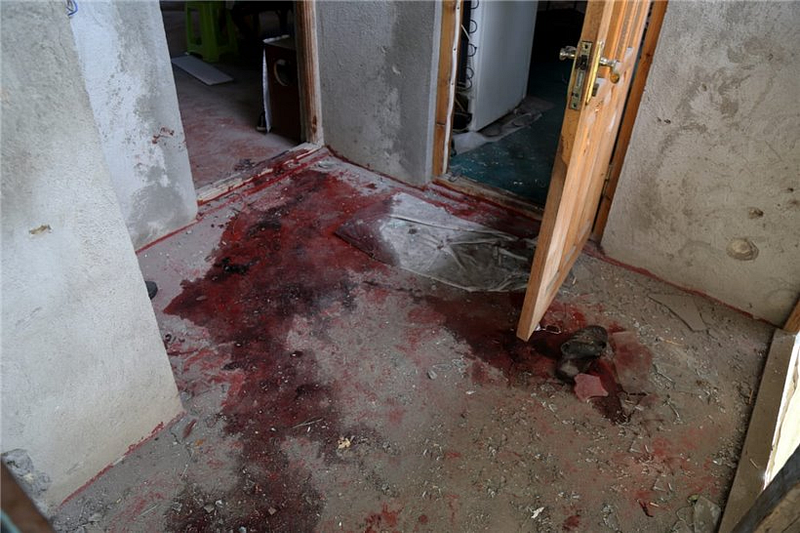
Armenian forces have used 120-millimeter mortars and D-30 howitzers to bomb civilian villages. Earlier on Monday, they hit a house in the Dondar Gushchu village of Tovuz with the same weapons. Windows and the bricks of the house were pulverized by the bombardment, according to multiple reports. More than 10 civilian houses in Tovuz were seriously damaged by the artillery fire.
The Khanliglar village of the western Gazakh region, which shares a 29 kilometre-long border with Armenia was also targeted by the Armenian military’s heavy weapons on Tuesday.
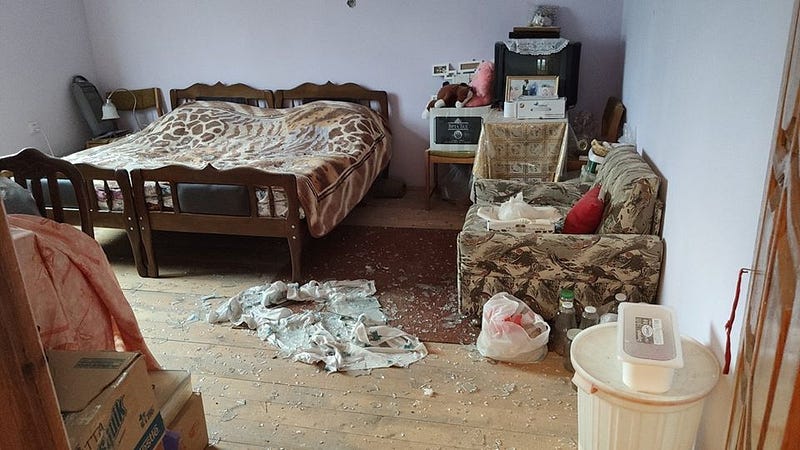
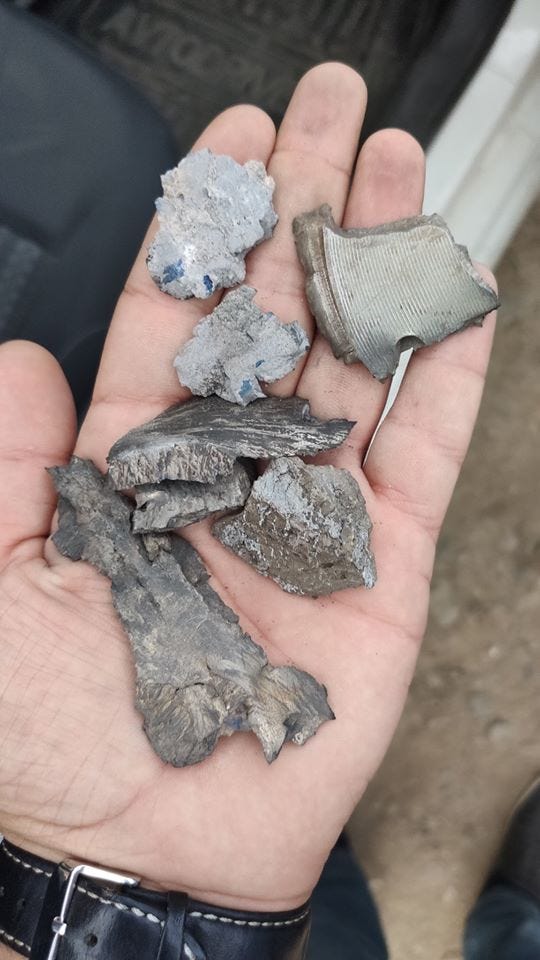
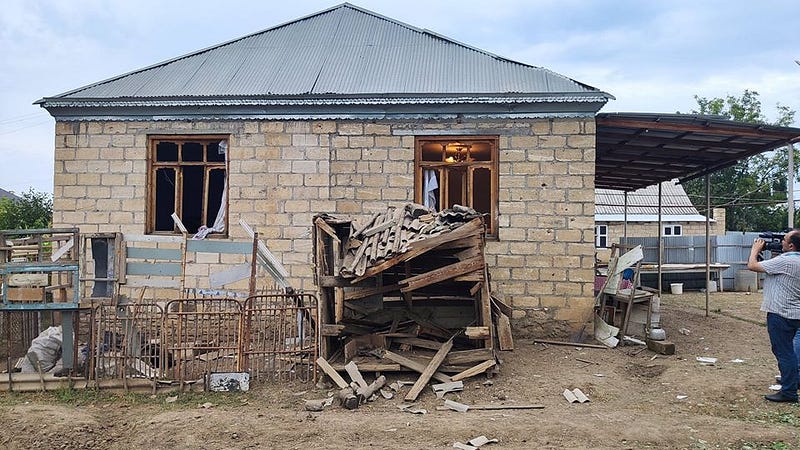
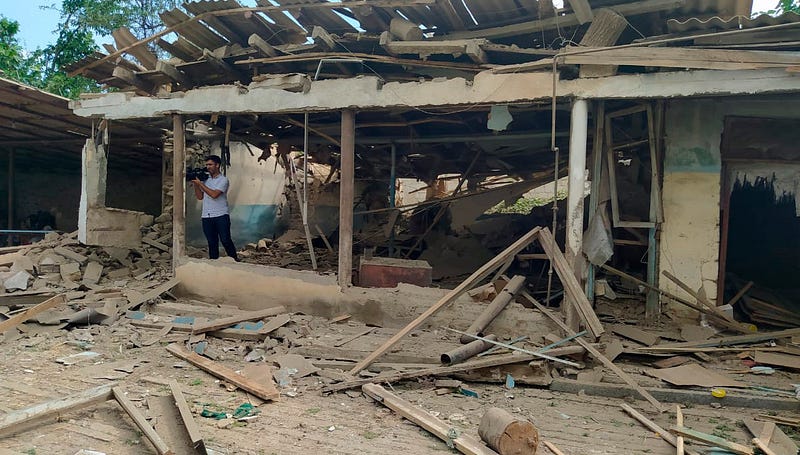
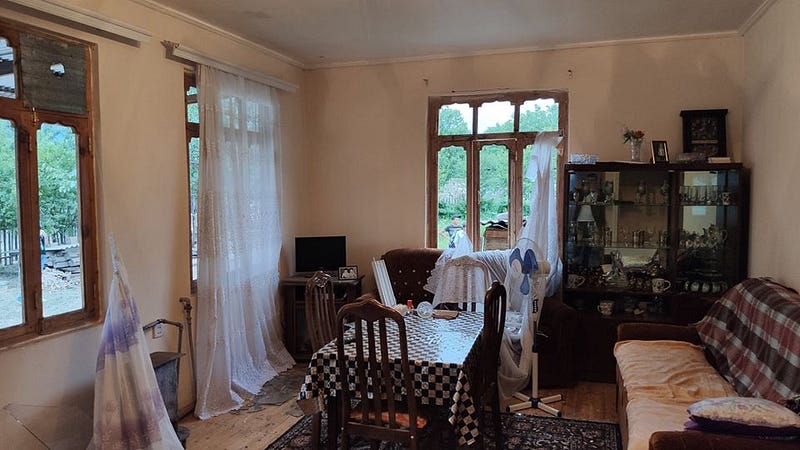
Skirmishes on the Armenia-Azerbaijan border broke out on July 12 following Armenia’s artillery fire on Azerbaijani positions stationed along the border which led to intensive clashes that have claimed lives on both sides.
Defense Ministry of Azerbaijan reported on Tuesday that the fierce battles continue in Tovuz and resulted in the deaths of Azerbaijani army, including one major general, one colonel and two majors.
Officials in Azerbaijan called on the international community and OSCE Minsk Group to take action against the Armenian military assault of civilians in Azerbaijan. However, the Minsk Group, which is co-chaired by diplomats from Russia, France, and the U.S. issued the next routine statement to urge the sides to immediately be back at the negotiation table and return OSCE monitoring mission to the region.
Secretary-General of the United Nations, Antonio Guterres expressed his deep concern over the fatal clashes and called to de-escalate the tensions.
Turkey, Pakistan, and Ukraine have voiced their concerns over the deadly border clashes. Foreign Minister of Turkey Mevlut Chavushoglu blamed Armenia for provoking the situation along the border and called for the resolution of the Nagorno-Karabakh conflict within Azerbaijan’s territorial integrity. The parliament of United Kingdom released a statement on “Armenian aggression against Azerbaijan”.
Tabled 13 July 2020 2019–21 Session
That this House notes the acts of aggression by Armenia overnight on 12 July 2020 which further escalates the armed conflict between Armenia and Azerbaijan which is rooted in Armenia’s military control over Azerbaijan’s Nagorno Karabakh region and adjacent seven districts that in the early 1990s led to the death of 30,000 people and the fleeing of more than 1 million internally displaced persons from their homes; calls on the UK Government to condemn the recent actions of Armenia which represent a serious hindrance to the progress of the peace process and which have violated international law as well as the ceasefire agreement signed in 1994; further notes that the military flare up along the international border between Armenia and Azerbaijan with the involvement of heavy artillery is a flagrant violation of international law as well as the ceasefire agreed in 1994 and represents a serious hindrance to the progress of the peace process; urges the UK Government to support the call for the OSCE Minsk Group to investigate thoroughly to prevent the current military action escalating into an all-out war; and further calls on the UK Government to urge for the withdrawal of Armenian military forces from the occupied territories of Azerbaijan as stated in UN Security Council resolutions adopted in 1993.
It seems Armenia and Russia don’t want peace in the Region. It is almost 30 years Russia playing with Armenia to keep their impact on Azerbaijan, as they have done it before to Georgia and Ukraine.
#StopArmenianAggression #StopArmenia #KarabakhisAzerbaijan