
What Is “Early Sobriety” and When Does It End?
The variety of answers might surprise you
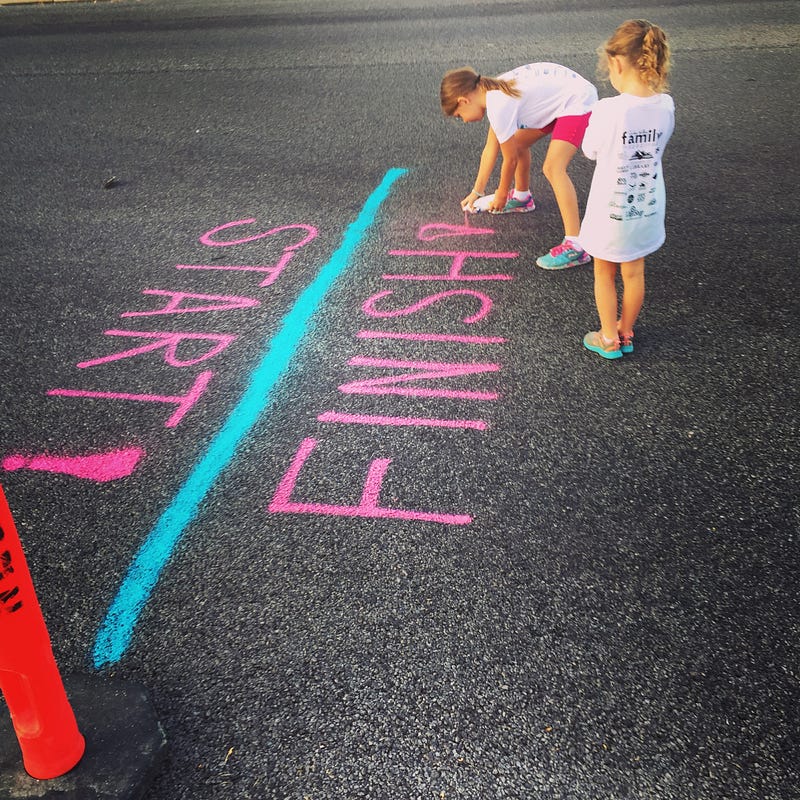
Every journey supposedly has a start and a finish.
In reality, most journeys are not so clear-cut.
The journey to sobriety for instance can look wildly different for each person. In this case, once you reach sobriety, you have a Day 1. Day 1 is the start of your sober journey. The journey of addiction ends when sober begins. (Even in those statements I will get some arguments. For the sake of this article, let’s just be super broad and general. OK?)
The question remains: when does sober end?
Hopefully it doesn’t.
Because this particular journey has no end, people tend to create markers to establish some kind of structure or checkpoints to the endless path.
Eternity can be daunting even if it’s positive.
One of those markers seems to be “early sobriety”. Recently, I’ve heard or read the term early sobriety, and I was curious. What is early sobriety and when are you past it?
Personally, I feel I’m well past this stage, and I can tell you why. But what about others?
So I asked. X (Twitter) has become my sounding board for such questions, and my tribe never fails to provide fascinating insight. As I suspected, the answers were unique to each individual’s experience, and the variety of answers will stun you.
Markers of Moving Beyond Early Sobriety
Here are some direct answers from this question:
“I was taught and I teach my guys, once Step Work is completed (I know we do it forever bla bla bla), they are no longer a newcomer.”
“Their purpose in meetings shifts from themselves to others.”
“I think breaking it down into categories like this is hard. It’s hard to define and it’s hard on individuals when they’re placed into these categories.”
“When it’s a habit.”
“Taking joy in doing things without alcohol.”
“A weekend goes by without a thought No drinking dreams I am comfortable in my own skin I don’t really ‘miss’ it”
Tragedy strikes but drinking doesn’t cross your mind. (Edited to make more general for anyone.)
“…when I was able to look outward: seeing my place in the world, and what I could contribute to it. Being more drawn to helping others. Giving back.”
“When you go into a situation and there is alcohol present and you are not obsessing over people drinking or *thinking* other people are wondering why you are not drinking.”
“When I start viewing sobriety as a more positive opportunity than a begrudging obligation, I have transitioned past early sobriety.”
“I’m able to recognize my character defects when they kick into action.”
“…when I started consistently getting high-quality sleep. It took me 9 months. At that point, I was ready to work on everything else.”
“I think it’s different for everyone and worry that it can be dangerous to think there are markers or things to get past. In my experience, sobriety is not linear, like school. We vacillate, inside our sobriety, between healthier behaviors and less healthy.”
“I’m still early (15 months) but maybe when you realize you don’t ever WANT to drink again.”
“This term early sobriety could be a stumbling block for some and victory for others. Caution may be the approach to pursue when sharing.”
“No idea, I used to think a lot about this, not anymore. Now I’d like to stay in early sobriety all my life, I mean: feeling I’m constantly learning, growing, feeling very curious, never too confident.”
“For me it’s was when I noticed how calm I was. How little I raised my voice. When I started making myself available to others.”
Every Journey Is Different
If you can believe it, there were many more answers. Each one slightly different from those above.
The point is not to get hung up on a term or phrase you may hear. Sobriety is not a competition; it’s a journey.
The point is if you’re still struggling with sobriety, there’s hope! There will come a day when some of the markers listed above will be your experience as well. You’ll look back and say, “Oh! I get it now.”
There isn’t a set day for when early sobriety ends. For some it may be Day 30. Others may be Day 67, 180, 368, or 2 or 3 years down the road.
The date doesn’t matter; the journey does.
Keep moving forward.
If you feel like you’re past the elusive “early sobriety”, add what that looked like for you in the comments. Every story has the potential to encourage someone else.
As a life coach, I help you find passion and purpose in every stage of life. What comes next after recovery? I’d love to help you figure that out. Email me at [email protected] or check out sarahsandidge.com if you’d like to find out more about 1:1 coaching with me.
XO, Sarah


