
New Deepfakes Tech Can Steal Millions from You!!!
Deepfakes are the next-generation version of rumors, and you should be aware of them before they ruin your life.
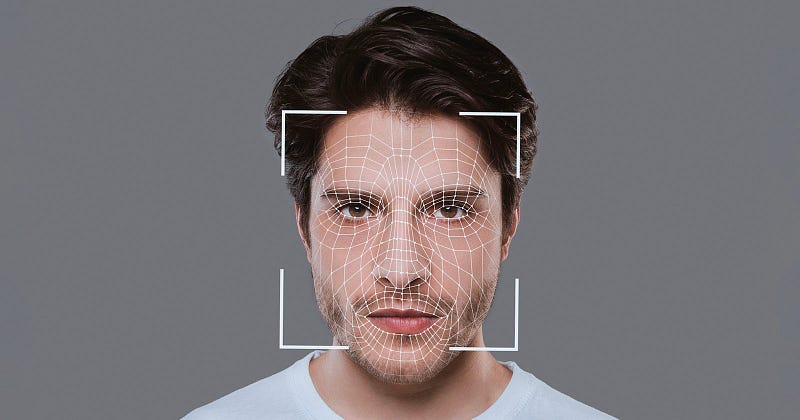
Imagine while scrolling your social media you find your daughter doing sexually explicit porn videos. There are many reported incidents where classmates who may envy your child, creating deepfakes video and circulating on various social media.
In this article, we will delve into the world of deepfakes, exploring
- what they are
- how they work
- their impact on society
- and what measures can be taken to fight deepfakes
What is DeepFakes?
Initially, DeepFakes were known as harmless face swaps on filters of Snapchat, Instagram, and TikTok. As technology got better, deepfakes got better too. Now, they can make videos that look very real and trick people easily.
The term “deep fake” comes from “deep learning” and “fake.” It refers to a form of artificial intelligence that creates misleading videos, making it appear as if individuals are saying or doing things they never actually did.
How DeepFake Works?
Developing a deepfake video is a complicated process, requiring technical expertise and computing power. This process involves several key stages:
- Data Collection: The process begins by collecting a large amount of data, including images and videos of the targeted individual.
- Pre-processing: The collected data is then pre-processed to align facial features.
- Feature Extraction: AI algorithms then extract important facial features from the pre-processed data, creating a detailed representation of the targeted individual.
- Training the AI Model: Using the extracted features, the AI model is trained to identify similarities and differences between the faces of the two individuals.
- Face Swapping: With the model trained, the AI algorithm executes the face swap, generating a seamless and authentic deepfake video.
What DeepFakes Can Do?
The widespread use of deepfakes has become a major concern in various domains such as politics, journalism, entertainment, and personal privacy.
For Instance:
- Misinformation and misleading content: Deepfakes can cause confusion by making it hard to know what is true and what is not. This can be used to manipulate people’s opinions and affect important events like elections.
Examples: Last year, a deepfake video of Ukrainian President Volodymyr Zelensky circulated on social media, showing him asking soldiers to lay down their weapons and return to their families. The video caused huge panic, though it was quickly flagged and taken down by the Ukrainian authorities.
2. Creating Trust Issues: As deepfakes become more convincing, people may lose trust in visual evidence altogether, questioning the authenticity of any video or image they see online.
Examples: The Gabonese President Ali Bongo’s deep fake video, where his eyes neither blinked nor moved, led to suspicions of his death and caused unrest and economic instability in the country.
3. Privacy Violations: Deepfakes can be used to create explicit and pornographic content, violating the privacy and dignity of individuals, especially celebrities and public figures.
Examples: In 2019 alone, over 90% of deepfakes were pornographic, with 96% involving the faces of female celebrities mapped onto explicit content. causing immense distress and humiliation to the victims. (Article link)
4. Political Instability: Deepfakes can be used to create videos of political leaders saying or doing things they never actually did, potentially causing chaos and political instability.
Examples: there was a video of the U.S president Joe Biden calling for a “The recommended way forward will be to invoke the Selective Service Act, as is my authority as president,”
In reality, Joe Biden never said that.
5. Economic Impact: Businesses and organizations may suffer reputational damage or financial losses due to the spread of deepfake videos containing false information about their products or services.
Examples: In 2021, a deepfake voice recording of a company director led to a $35 million heist, leaving the company’s insurers to grapple with the consequences of the sophisticated scam. (Article link)
Recognizing and Detecting DeepFakes
Though deepfakes have become increasingly sophisticated, certain indicators can help distinguish between real and fake videos. Some key signs include:
- Blinking Patterns: Deepfake videos often show unnatural blinking or lack of blinking altogether, as they are usually generated from static images where the subjects’ eyes are open.
- Lip-Syncing: Inaccurate lip-syncing is a common flaw in deepfakes, as it is challenging to match the movements of the lips with the computer-generated voice.
- Uncanny Valley Effect: Even the most advanced deepfakes may not fully escape the uncanny valley, wherein subtle abnormalities in facial expressions or movements can make the video appear unnatural.
- Image Quality: Poorly generated deep fakes may display artifacts, such as blurred edges or strange reflections, that can reveal their artificial nature.
- Contextual Analysis: Examining the video in the context of its source and surrounding information can also help determine its authenticity.
Deep Fake was created by humans only so we must have invented a way to prevent chaos caused by deep fakes
Some possible methods include:
- AI-Based Detection: Developing advanced AI algorithms to detect deep fakes and flag potentially harmful content is crucial. By continually improving these algorithms, we can better safeguard against misinformation. (AI to defeat AI not a very smart move though.)
- Media Literacy: Promoting media literacy and critical thinking skills among the general public can empower individuals to discern real content from deep fkes.
- Watermarking and Certification: Implementing watermarking and certification mechanisms for authentic videos can help verify their legitimacy.
- there are articles that say Facebook is already working on this to flag deepfakes on their social media apps. (the epicenter of deepfakes)
- Platform Responsibility: Social media platforms and content-sharing websites can play a vital role in curbing the spread of deepfakes by deploying stringent policies and detection mechanisms.
- Legal Frameworks: Creating and enforcing legal frameworks to hold malicious actors accountable for creating and disseminating deepfakes can act as a deterrent.
Conclusion
Deepfakes are videos that are created using artificial intelligence and are nearly indistinguishable from reality. They can be used to create misleading content, violate privacy, and cause political instability. It’s important to know how to recognize deepfakes, as they can be used to manipulate people’s opinions. To fight deepfakes, we need to work together by raising awareness, improving AI detection, and promoting media literacy.
Disagree with my views? Comment down your opinions so I can cover them in my next article and help the community grow.
If you liked my article please let me know by clapping (targeting 20 👏) or commenting 💬, this help in featuring my article to like-minded people and I get motivation to write more articles on similar topics.


