
Cloud Computing: What Every Product Manager Needs to Know
Technical Knowledge for Product Managers
Welcome to part three of a series of articles covering the technical knowledge that every Product Manager ought to know. Today I’m going to cover the basics a Product Manager needs to understand about Cloud Computing.
If you’d like to learn why I think this knowledge is important, then head back to my article where I discussed WHY I wanted to improve my own technical knowhow.
And don’t forget to subscribe to email updates if you want to be notified when the next article is published!
Introduction to Cloud Computing
Before the advent of cloud computing, organizations typically used on-premises IT infrastructure to support their computing needs. This meant that organizations had to purchase and maintain their own physical servers, storage, and networking equipment in order to support their applications and services.
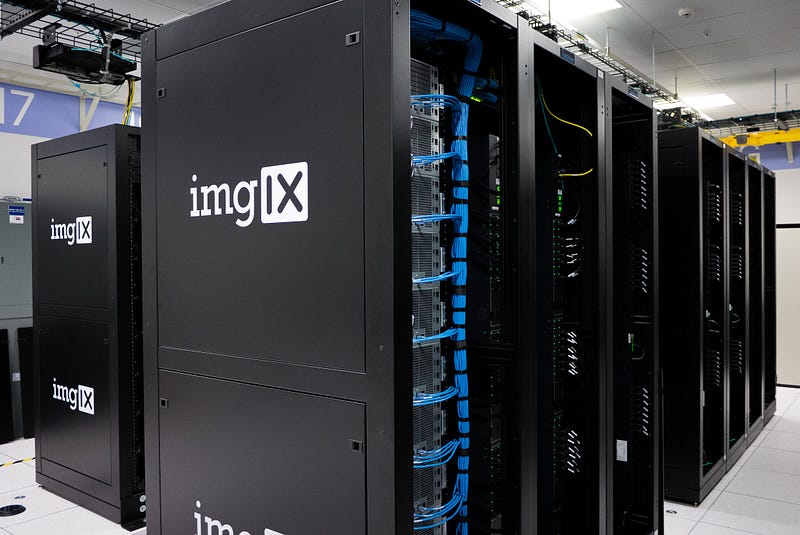
It wasn’t until the mid-2000s that cloud computing began to emerge as a viable alternative to on-premises infrastructure, as advancements in virtualization technology and internet connectivity made it possible to offer highly scalable, flexible, and cost-effective cloud computing services.
Cloud Computing gives firms access to IT resources with pay-as-you-go pricing, instead of buying their own physical data centers and servers, and the required human resource to operate them effectively.

Why Cloud Computing?
- Cost-effective — You only pay for the services you use, saves smaller companies from high up-front costs of setting up a physical data center
- Speed and Scaleability — Can put applications closer to end users, due to worldwide infrastructure. Vast amounts of computing resources available in minutes.
- Flexibility — Taking pressure off a business to plan their needs and removes risk of under-provisioning resources for peak periods
- Removes Work — Removes many tasks associated with on-site datacenters
- Able to adopt the newest technologies earlier with a flattened learning curve
Types of Cloud Computing
Infrastructure as a Service (IaaS)
- On-demand access to backend infrastructure such as cloud-hosted computing infrastructure, servers, storage and networking. Instead of customers having on-premise hardware, the cloud service prover hosts a maintains hardware, networking and computing resources.
Platform as a Service (PaaS)
- On-demand access to complete, ready-to-use cloud-hosted platform. The cloud service provider hosts, manages and maintains all the hardware, software and tools included in the platform.
- Speeds up time to market
- The cloud service provider takes on the responsibility of infrastructure management, security patches, updates etc
- Examples: AWS Elastic Beanstalk, Microsoft Windows Azure
Software as a Service (SaaS)
- On-demand access to ready-to-use, cloud-hosted application software. Usually end-user applications, where you don’t need to think about underlying infrastructure but only how you will use the end software.
- Examples of business or enterprise SaaS solutions include Salesforce, Hubspot, and Slack
Check out the reading list below if you want to dig a bit more into the particular topic. I’m also planning to release an extended curriculum with deep-dives into each topic; more news on that to follow.
Next week I’ll be back with an introduction to APIs. Don’t forget to subscribe for email notifications if you don’t want to miss it!
Further reading
- What is Cloud Computing? — by AWS (video)
- What is cloud computing? — by Azure (video)
- IaaS vs PaaS vs SaaS — by ibm (video)
- Virtual Machines — by ibm (video)
- What is a Container? — by Docker (video)
- What is Docker? — by Yann Mulonda(video)
- How to explain Kubernetes in Plain English — by Enterprisers Project (video)
- What is Kubernetes — by TechWorld with Nana (video)
- What is Serverless — by gitlab (video)
- Terraform Explained in 15 Minutes — by TechWorld with Nana (video)
Thanks to my friend Phil for proofreading!