
What Is Ceremonial Cacao & What Makes It “Ceremonial”?
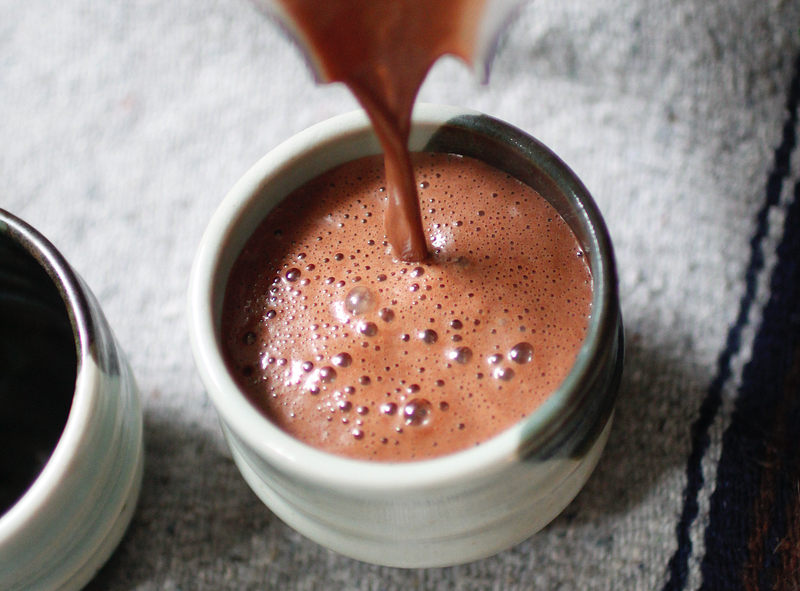
Have you heard the phrase cacao ceremony recently? If you have, you’re not alone. The practice has seen a significant rise in popularity over the past couple of years and alongside its wider acceptance has come an unprecedented offering of “ceremonial-grade” cacao products on the market.
Unless you’re an experienced ceremonial cacao-enthusiast, the subtle intricacies of what makes a cacao product “ceremonial-grade” and what doesn’t aren’t always simple or clear. What exactly is ceremonial cacao? What is it made from and how is it made? What differentiates it from non-ceremonial cacao pastes or other cacao-based products? And why is it so uniquely potent and essential for ceremony?
My lovely wife, Romany Pope, and I have held a cacao ceremony for ourselves almost every day for the past two and a half years. It has brought us much joy and healing in life, but even after all that time, I ask myself these questions and realize that I still can’t answer all of them clearly!
The truth is that there are greatly varying accounts and opinions about what exactly makes ceremonial-grade cacao “ceremonial” but with a bit of digging (and drinking a whole bunch of cacao), it’s possible to identify the most important basic requirements to consider a type of cacao product as “ceremonial”.
Next time you’re thinking about buying ceremonial-grade cacao, it might be helpful to keep these in mind:
What ceremonial-grade cacao is and what makes it ceremonial:
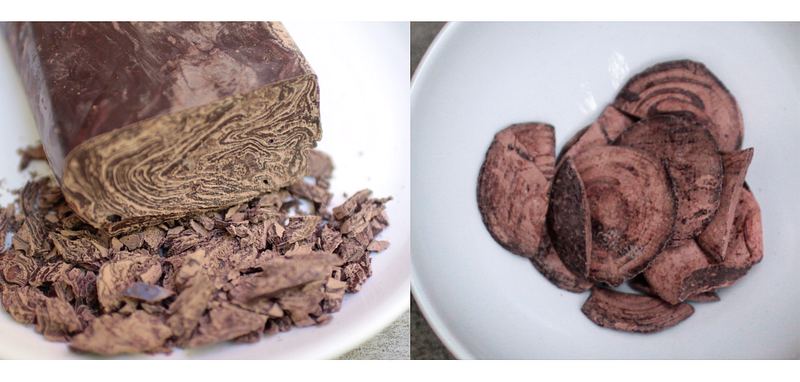
1. It is pure cacao-bean paste: Ceremonial cacao or ceremonial-grade cacao, as it is also known, is a very specific type of product. It’s a 100% pure cacao-bean paste that contains a much higher quantity of beneficial, health-restoring, and mood-elevating compounds than any other cacao-based product on the market (like cacao powder, non-ceremonial cacao paste, dark chocolate, etc).
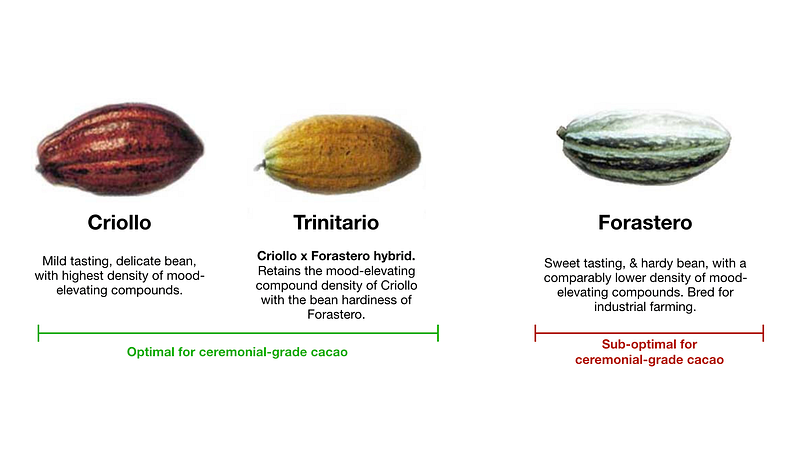
2. It is made from high-quality Criollo cacao beans: Ceremonial-grade cacao paste contains a much higher quantity of beneficial compounds because it is made from a specific variety of cacao bean— the pure Criollo (“kri-o-yo”) bean.
There are two main varieties of cacao trees, the Criollo and Forastero. While the Forastero has been traditionally bred for sweetness and plant resilience optimal for (commercial chocolate-focused ) industrial farming, the Criollo is a wild strain which is less hardy and milder in taste. It also has a higher concentration of health-restoring and consciousness-altering compounds such as theobromine, serotonin, proanthocyanin, anandamine, methylxanthines, tryptophan, phenylethylamine, and many others that when consumed generate a particularly potent heart-warming sensation in the body.
This heart-warming or “heart-opening” sensation is what brings about the uniquely expansive, peaceful, open, and elevated physical and mental states that cacao ceremonies revolve around. The higher the quality of the bean used to make the paste, the more powerful the sensations experienced from it tend to be.
The Criollo strain also has a wide range of bean and potency variations that change depending on the location and the process through which it is grown. These, along with a Forastero-Criollo hybrid bean called “Trinitario,” are also known to produce similar ceremonial-grade sensations when consumed.
3. It is minimally processed through traditional production means: The ceremonial-grade Criollo cacao paste is also made in a very specific way. In comparison to the more widely-available and well known cacao-based products, such as cacao powder and dark chocolate, pure ceremonial cacao paste is minimally processed through traditional production means that originated in Mayan and Olmec civilizations (where the tradition of using cacao in a ceremonial way started)
The paste is made by fermenting the beans, slightly heating the highest quality ones on a hotplate, hand-peeling them, and then grinding them down on a heated mill (traditionally a stone mill) so the resulting powder congeals into its final paste form.
Because of this process, the Criollo bean retains most of its beneficial properties and its fat content is activated (half of the cacao bean is fat, and grinding it breaks up the cells and liberates the fat), which is healthy for humans and the best natural carrier of the cacao bean’s compounds throughout the body. None of this present at nearly the same levels in other cacao-based products (powder or dark chocolate) because of the extremely high-temperatures they are roasted, as well as the complex production processed required to achieve uniformity in aspect and flavor (overheating reduces the amount of beneficial compounds in the cacao).
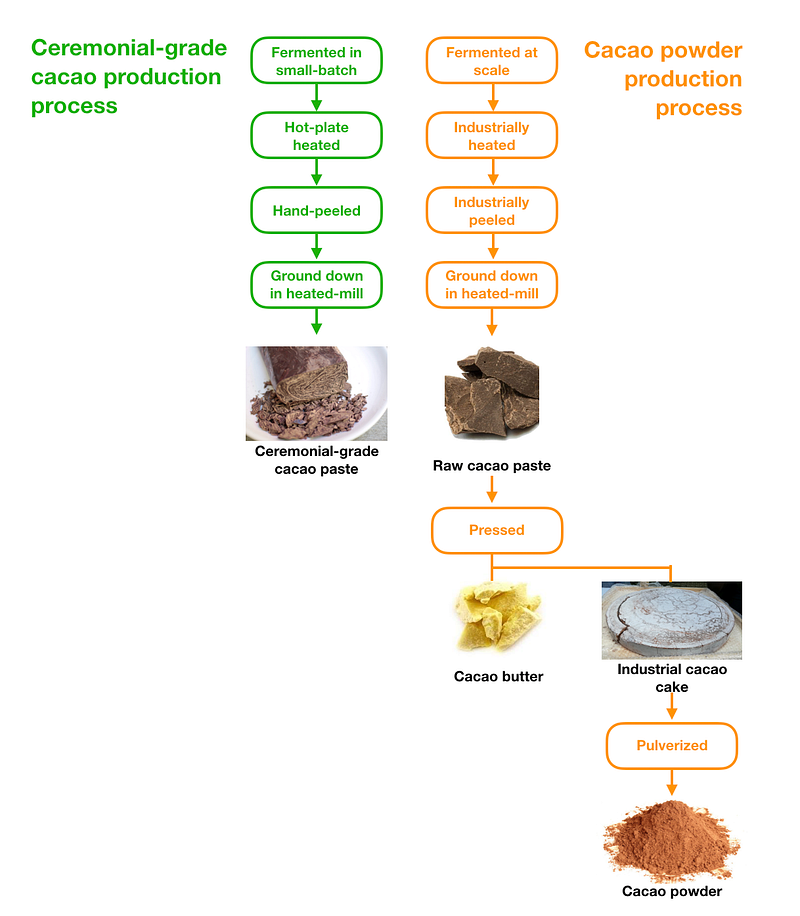
Without the traditional production process, the cacao paste wouldn’t retain the bean’s beneficial properties, therefore wouldn’t produce as potent a sensation in the body, and therefore wouldn’t be classified ceremonial-grade.
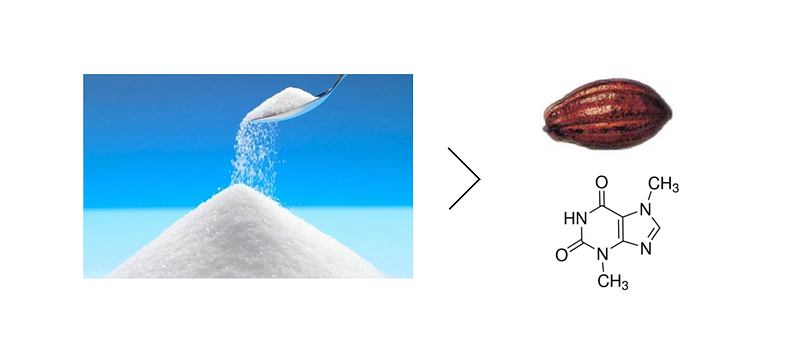
4. None or minimal amounts of sugars are added: Most cacao-based products like dark chocolate or cocoa have at least a 30% sugar content (even if they are labeled as “low-sugar”). When consumed, that sugar content gives rise to sudden spikes in blood sugar levels which cause a “sugar high” that masks (or overpowers) the heart-warming sensations the pure Criollo cacao paste brings about.
To avoid sugar highs and maximize the “pure” cacao sensations, ceremonial-grade cacao has zero or minimal amounts of sugar added. The point here isn’t to not add anything (natural sweeteners like honey, and spices like cayenne pepper, are staples in ceremonial cacao preparation); the point is to avoid adding a type or quantity of ingredient that will subdue the “pure” ceremonial cacao sensation.
5. It is organic: In addition to the fact that ceremonial cacao should be minimally processed, it should also be organic. An important part of ceremony is that we are using pure cacao as a tool to heal and connect with our bodies. The ingestion of cacao grown through the use of pesticides, synthetic fertilizers, and genetic modification is potentially harmful for us, and therefore, unfit for ceremonial use.
So there you have it — the five essential elements that make cacao paste ceremonial-grade.
Oh, and next time you’re browsing online to purchase cacao, please keep in mind that there is no governing body or law that dictates what can and can’t be labeled as “ceremonial-grade.” It’s up to each producer to decide what label they put on the product, so even if a cacao product has a “ceremonial-grade” label on it, that doesn’t necessarily mean that it’s ceremonial-grade.
If you’re interested in exploring the transformative benefits that a relationship with a plant medicine like cacao can bring, look past the labels. Use the principles in this article, do your own research, and try a whole bunch of cacao to evaluate what feels and doesn’t feel “ceremonial” for you (here’s an article that goes in depth into how ceremonial cacao makes you feel).
Ultimately, remember that you don’t need ceremonial-grade cacao to hold a ceremony for yourself. Cacao is only a tool that makes a ceremonial journey within easier by bringing about the loving and expansive sensations that open the doors of your mind and body. Ceremonial-grade cacao doesn’t actually take you on that journey. Only you can. ❤
P.S. — If you’re interested in purchasing high-quality ceremonial cacao, you can read this article about where to buy the best ceremonial cacao. I’d recommend trying out Cacao Lab (code CACAOANGEL for 10% off), Ora Cacao (code FORTHELOVEOFCHOCOLATE for 10% off), The Cacao Club if you’re in Europe or Australia (CACAOCOMMUNITY for 10% off) or Soul Lift Cacao!


