
What Is Blue Butterfly Pea Tea, and Can It Support Weight Loss?
Learn the benefits and side effects
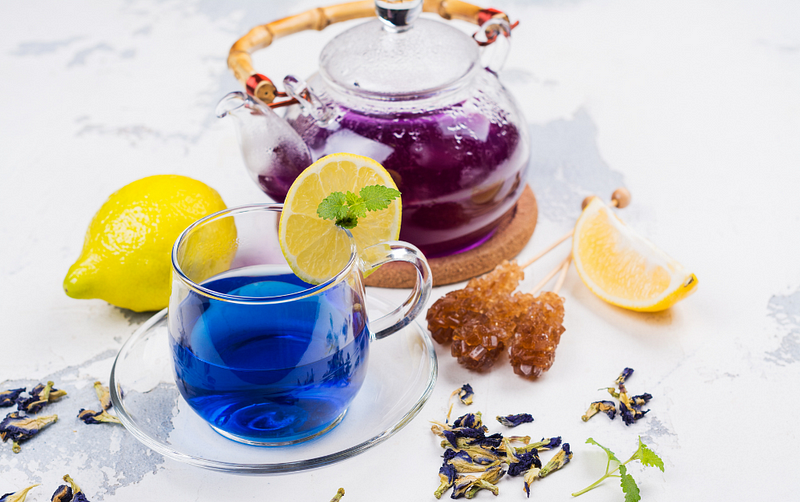
You may have been hearing a lot about butterfly pea tea lately. It is becoming trendy for several reasons. Its ability to aid weight loss is one of them.
This article will highlight the many health benefits and the risks or side effects of drinking this beautiful blue tea.
What is Butterfly Pea Flower?
Common name: Butterfly pea, blue pea, Kordofan pea, cordofan pea, Asian pigeonwings
Scientific name: Clitoria ternatea L. [Fabaceae]-You only have to look at the flower to understand how it got its scientific name.
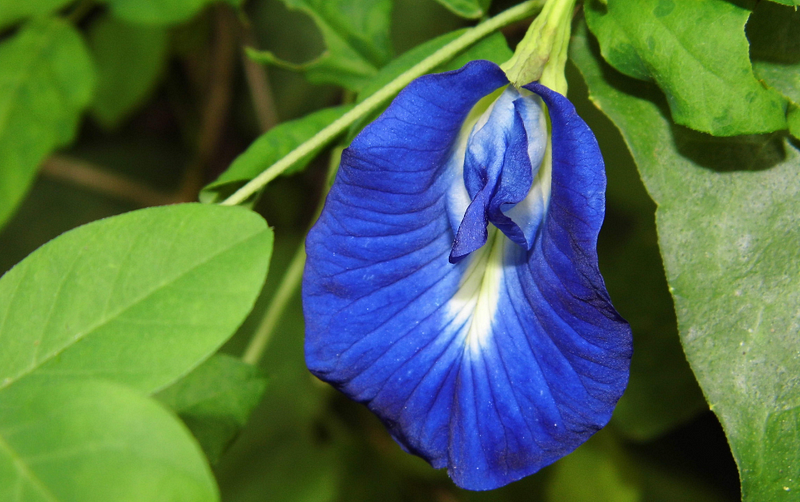
The butterfly pea or C. ternatea is found in tropical Africa and Asia. It grows as a small shrub or climbing vine, much like a perennial bean.
It is a perennial in warm climates hardiness zones of 11 and 12, but in cooler climates, it is typically grown as an annual.
It has beautiful blue pea-shaped flowers that flutter in the wind, hence the name “butterfly” pea flower. They can be white or blue. The intense blue flower gets its beautiful color from anthocyanins which is a potent antioxidant, and it is what most folks are most interested in.
It has many uses:
- High-quality protein-rich low-cost food used for livestock.
- It delivers nitrogen to the soil and is used as a green manure by organic gardeners.
- The non-synthetic natural pigment is used in beauty products and fabrics.
- Used in traditional Chinese and Ayurvedic medicine for centuries.
- Used as a food coloring in food and beverage preparations.
- The ability to control the shades of blue has mixologists all in a frenzy creating unique new cocktails in upscale bars.
Butterfly Pea Flower as Natural Food Coloring
Before I delve into the potential health benefits of this herb, I would like to discuss the harmful effects of artificial colors blue #1 and blue #2, both of which are used in food products like M&M’s.
Although approved by the FDA (which means little anymore), these two dyes, along with other artificial colorings, have been linked to attention deficit disorder (ADD) by advocacy organizations, including the Center for Science in the Public Interest (CSPI).
The UK journal, The Lancet, published a study in 2007 supporting the link to ADD. The study led the European Parliament to require companies using these dyes to provide warning labels informing consumers of the potential risk. (Not required by the US-based FDA-no surprise).
In England, Blue Smarties (a candy similar to M&M’s) was pulled from the shelves in 2005 by Nestlé–Rowntree. The company brought them back in 2008, using spirulina which is blue-green algae and a natural ingredient to color the candy.
Other studies on rats showed cancer-causing attributes like brain tumors and thyroid tumors. However, the FDA determined these dyes to be “safe.” Even if these synthetic dyes are safe, there is data showing the cancer connection to the contaminants in some dyes (Red 40, Yellow 5, and Yellow 6). These contaminants are allowed because they are at “acceptably low levels.”
If butterfly pea flower could be used as a natural, safer, and healthier alternative to synthetic blue dyes, perhaps we would see fewer adverse health effects.
Now, if only we could get these behemoth companies to make the switch. I am sure money is a barrier and certainly driving their decisions.
Ok, so now let’s talk about the health benefits of consuming butterfly pea flowers.
Health Benefits
Butterfly pea flower has been widely used medicinally to improve cognitive functions, reduce fever, pain, inflammation, and blood sugar in diabetics. (Mukherjee et al., 2008)
Brain health
Studies using the root extracts have shown enhanced acetylcholine content, learning, and memory.
May lower cholesterol
Significant ability to lower cholesterol using extracts of roots and seeds has been reported in this paper.
Antidiabetic
Ethanolic extracts of Clitoria ternaea L. leaves and flowers provide significant antidiabetic activity. The same study showed anti-inflammatory and antioxidant activity primarily due to the presence of phytochemicals.
Another small study utilizing 15 healthy men showed a reduction of postprandial plasma glucose and insulin concentration, which showed an improvement in antioxidant status. This study was limited and not statistically significant but does show promise in lowering blood sugar levels and warrants further research.
Hair growth
I include hair growth only because it is touted as being very healthy for hair, and there are multiple claims that it increases hair growth. I have not been able to find any studies specific to butterfly pea and hair loss, but I believe the high anthocyanin content in and of itself is likely to be beneficial.
Skin benefits
Analysis of three plant extracts, including butterfly pea, demonstrated highly valuable attributes, including antioxidant, anti-inflammatory, and anti-aging properties.
This data shows organic butterfly pea flower extract or fermentation solution improved moisture retention and had whitening effects but did not cause redness, irritation, itching, or allergy. The moisture and whitening effect increased as the concentration increased.
Anticancer Properties
Research demonstrated how cyclotides present in butterfly pea flower have significant anticancer and chemosensitizing(allows chemotherapy to work more effectively by making tumor cells more sensitive) abilities.
An in-vitro study reported effects of antimetastatic activity on MCF-7 HER2-positive breast cancer cell line.
May Support Weight loss
According to one study, butterfly pea flower extract may slow the formation of fat cells.
Some research indicates ternatins found in blue butterfly pea flower may block the synthesis of fat cells, which can aid weight loss when combined with a healthy lifestyle and increased activity.
*Most of the studies listed above have been performed either in animals or in vitro. However, butterfly pea flower has been used for centuries, with many touting its wonderful health benefits. Subsequent studies are indicated.
Side Effects and Risks
There are no confirmed risks but consuming too much butterfly pea flower tea may cause stomach pain, diarrhea, or nausea. If you are pregnant or have any health concerns, discuss this herb’s use with your health care provider.
Making Tea
It gets its pretty blue color from the pigment in the flower called anthocyanin. The longer the flowers steep, the deeper the color blue. If that is not beautiful enough, you can add a bit of lemon or lime juice to create a lovely pink or purple color.
The flavor is slightly floral but more delicate than other teas like jasmine, rose, or lavender. It reminds me of chamomile but with a slightly grassy taste similar to green tea. What it lacks in flavor, it makes up for in looks.
Butterfly pea tea is a fun drink to make with kids and is a lot healthier than soda or cool aid.
There are a plethora of recipes using butterfly pea flowers, but here is the basic recipe for tea:
Recipe
1/2 cup of fresh flowers or 1/4 cup dried. Fresh flowers have a higher concentration of anthocyanins.
Boil 2 cups of filtered water and pour over the flowers in a pot, Pyrex measuring cup, or mason jar.
Let steep at least 10 minutes, but 30 minutes has been found to pull out the highest level of anthocyanins, according to this study.
Sweeten if desired with a touch of honey and squeeze a slice of lime or lemon into the cup. The citrus adds antioxidant value and changes the color. It can be served hot or poured over ice cubes.
For more butterfly pea flower fun and recipes, check out Pinterest or Google search.
Another vibrant flower with fantastic health benefits is hibiscus. Read this nifty little piece written by @Suma Narayan.
Where to Buy Blue Butterfly Pea Flowers
You can find butterfly pea flowers in tea bags, powdered, or whole dried blossoms. Walmart, Amazon, and eBay all have choices. Etsy also has sellers.
I would recommend you look for organic.
I typically buy my herbs from Mountain Rose Herbs.
I purchased this brand from Amazon as I could not find them through Mountain Rose Herbs. (I am not an Amazon affiliate, only providing the link as a resource.)
So now you know where to buy butterfly pea flowers, how to make the tea, and why you should be adding this beneficial tea to your diet.
I would love to know if you try it or any other recipe using butterfly pea flowers. I hope to hear from you.
Feel free to subscribe to me so you will receive a notification whenever I post something new. Also, if you’re not yet a Medium Member, you can join by using my referral link. For only $5/month, you’ll get unlimited platform-wide access to thousands of writers, including me, and, at no extra cost to you, I’ll receive a portion of your monthly fee.


