
What is Anxiety?
We take a look at the cognitive and behavioral manifestations of anxiety
What we’ll be talking about in this article:
Anxiety disorders Cognitive processes Behavioral patterns Dealing with Anxiety
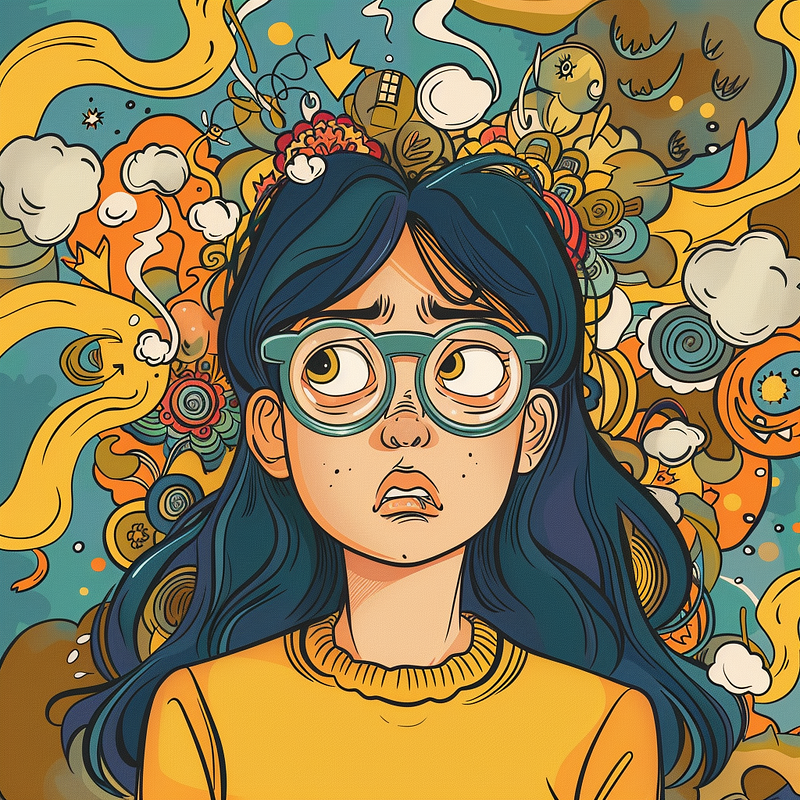
Anxiety disorders seem to be ever-present now in our society. But how much do we know about what’s going on beneath the surface and how can we best deal with anxiety when it manifests?
What are anxiety disorders?
We can say that they are a mix of both cognitive (thinking) and behavioral (actions) elements that both cause and sustain the symptoms of anxiety.
What are those symptoms?
They would include but are not limited to, things like excessive worrying, feelings of restlessness or being ‘on edge’, fatigue and irritability, wavering concentration levels, sleep problems, and physical sensations such as faster heartbeat, sweating and/or chills, headaches, chest pains, shortness of breath and stomach issues.
Let’s have a deeper look then into both the cognitive and behavioral aspects of anxiety.
Cognitive processes
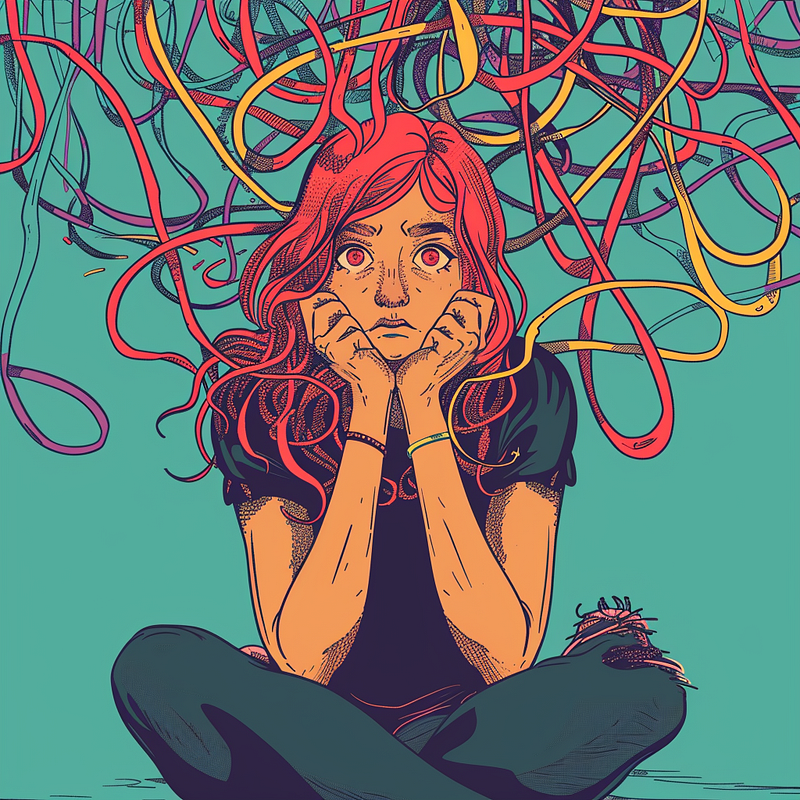
Catastrophic Thinking: Anxiety often goes hand-in-hand with catastrophic thinking. This is where people anticipate the worst possible outcomes of situations.
They usually aren’t in the situations they’ve thinking of but rather are thinking about future events. Catastrophic thinking leads to feelings of fear and dread for the future.
Rumination/obsessive thinking: People with anxiety have a propensity to engage in repetitive and intrusive thoughts regarding potential threats or negative events.
Rumination means “the act or process of regurgitating and chewing again previously swallowed food.” People replay situations they have feelings of regret towards over and over and over again in their heads. Often fantasizing about what I call the conditions (should have, could have, would have, ought to). People will play both the hero and victim roles in such situations. And it doesn’t take a genius to know that rumination is detrimental to our mental health.
Selective attention and bias: This is about placing too much emphasis on threatening stimuli in a person’s environment. For example, Annie lives beside a busy highway intersection and dreads that her grandchildren will be killed in a car accident there. She frets and worries over this when they visit and instead of enjoying her time with them she acts like a sheepdog, keeping her flock away from potentially dangerous situations.
This cycle of worry is incredibly difficult to break once the mind has fixated on it.
Cognitive Distortions: These are things like black-and-white thinking, mind-reading (thinking you know what another person is thinking…we’re not talking clairvoyance here), and personalization (seeing everything through your eyes only), all contribute to distorted perceptions of reality and end up reinforcing anxious beliefs.
Indeed, these distortions begin as a kind of safety mechanism of the mind but they tend to get out of control and lead to a closing off rather than an opening up of a person.
Behavioral patterns
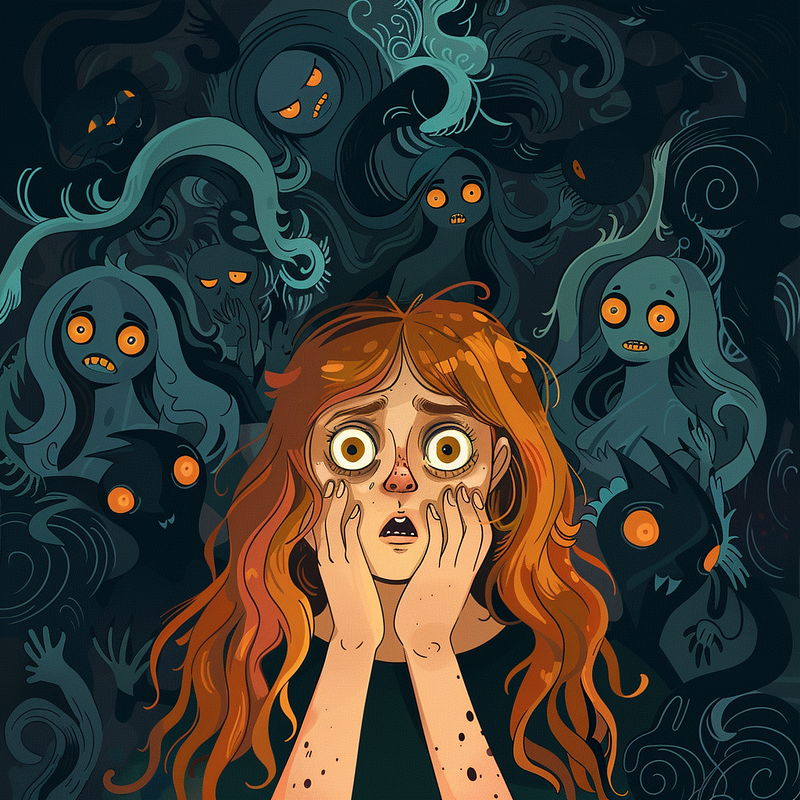
Avoidance behaviors: Probably the most common response to anxiety that we see around us in people is avoidance. People don’t attend social events, for example, because they may feel that they are in some way ‘triggering’.
Avoidance brings some temporary relief for the person experiencing anxiety but it will eventually lead to them staying within their bubbles, and themselves, and this leads to worse symptoms.
Safety behaviors: These are things such as seeking reassurance, avoiding eye contact, or carrying comforting trinkets or objects. These behaviors can maintain or exacerbate symptoms thanks to the evolving dependence on external coping mechanisms.
Rituals and compulsions: For example, people with obsessive-compulsive disorder (OCD) may perform certain acts or compulsions to alleviate distress or prevent perceived (i.e. fearful) outcomes. These repetitive behaviors do temporarily reduce anxiety but they end up reinforcing the belief that such actions are necessary to avoid/prevent harm.
How then can we deal with anxiety?
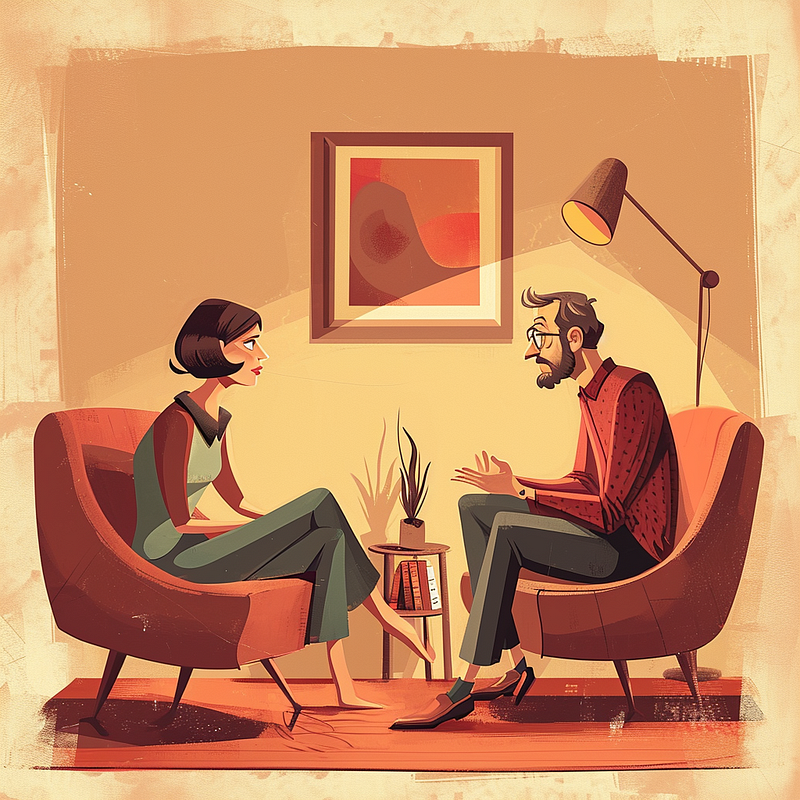
In my experience as a counselor in dealing with people suffering from anxiety problems, it comes down to one thing: a sense of control. People are anxious because they either want to control situations, or wish they had had control over certain ones, or they feel a need to have a certain sense of control.
Successful therapy is about being with the person as they discover that they have a certain amount of control, or ownership, regarding external things. For the most part, however, the world is quite chaotic and nobody is in full control of what is external but we can tame the inner landscape and have control over our reactions.
Easier said than done, for sure, and I’m very much generalizing here as every single person you deal with in a counseling situation is going to be different but at its very basic, anxiety issues come down to a person’s sense of control in their lives.
Being with people as they examine themselves and their behaviors can be daunting but by listening fully and asking the appropriate questions we can help them to learn about why they behave in certain ways and how they can best fix the issues.
There’s no one-size-fits-all approach, it’s rather the opposite, but step-by-step progress is made slowly until a breakthrough comes and the person learns to begin to change their approach in regards to having a sense of control over external and internal things.


