avatarDon Martin, real-life writer

Summary

A writer's portfolio is a curated collection of work that showcases a writer's skills, style, and professional background, crucial for career advancement and networking.

Abstract

A writer's portfolio serves as a professional showcase of an individual's writing skills and style, encompassing a diverse range of work samples such as articles, stories, blog posts, and essays. It is an essential tool for writers seeking employment or freelance opportunities, providing tangible evidence of their abilities, experience, and achievements. The portfolio should include writing samples across various genres, personal background and education details, contact information, testimonials, published works, and a description of specific skills like research and editing. Additionally, it should feature links to the writer's online presence, including blogs or websites. The visual presentation of the portfolio is emphasized as being equally important, with a clean, well-organized, and visually appealing layout recommended to make a strong, positive impression. Regular updates are advised to reflect the writer's ongoing growth and new projects.

Opinions

  • The portfolio's content should impress even if it were not the creator's own, suggesting a high standard of self-evaluation.
  • Testimonials are valued as miniature success stories that enhance credibility.
  • The inclusion of a variety of published writings adds significant weight to the portfolio's credibility.
  • A writer's online presence through blogs, websites, or social media platforms is beneficial and should be included.
  • The visual aspect of the portfolio is crucial for making a positive impression on potential clients, employers, or collaborators.
  • The portfolio is seen as a dynamic document that should evolve with the writer's career, highlighting the importance of regular updates.
  • The author suggests that the portfolio is invaluable for marketing oneself in the writing industry.

What is a Writer’s Portfolio?

Do you have one?
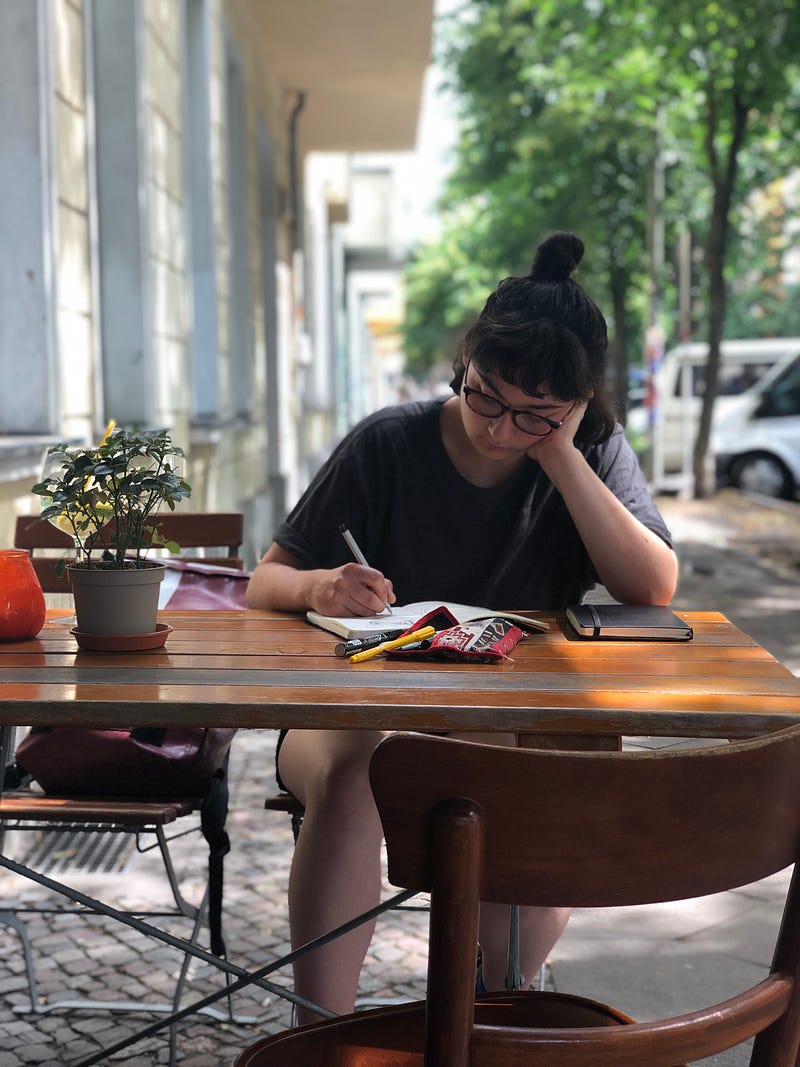
Photo by Klaudia Piaskowska on Unsplash

A writer’s portfolio is a collection of your work.

It should show your writing skills as well as your writing style. It will serve as a presentation of your abilities and accomplishments.

It is useful when you are seeking employment or freelance opportunities. It might include a variety of writing samples such as articles, stories, blog posts, essays, reports, and creative writing pieces.

As you put together your portfolio, remember to include the following items.

  1. Writing samples of your work, demonstrating your abilities in different genres.
  2. You need to relate your background, education, experience, and any awards or achievements.
  3. Obviously, people need to know ways to get in touch with you, and how a potential client can reach you with inquiries or opportunities.
  4. Testimonials are miniature success stories, and people love them. Any positive feedback from previous clients serves your credibility.
  5. Any writings you have published, online or in print, are always important in your portfolio to add weight to your experience.
  6. A section about your specific skills, such as researching or editing is always good.
  7. Links to any online presence, whether a blog, author’s website, or other media platforms, look good, and can be beneficial.

Last thoughts

Lastly, is not anything to include, it’s something to BE. Look at your portfolio. Would you be impressed if it were not yours?

The actual visual presentation of the portfolio is very important. A clean, well-organized, and visually appealing layout always makes a positive impression.

A writer’s portfolio is an absolutely important, dynamic, changing document that should be updated regularly to reflect the writer’s growth, new projects, and skills.

It’s invaluable for marketing oneself and making a strong impression on any potential clients, employers, or collaborators.

Want to read something to help you become a better writer, and not make your eyes glaze over. GO HERE. Will not cause eye trouble.

ABOUT THE AUTHOR: Don’s a keen observer and prolific reporter of truth, common sense, humor, & life. He’s a WRITER and humorist, sometimes serious, sometimes tongue-in-cheek. He lives in Nashville, TN. He publishes help pieces every weekday morning. Real-life Writing & Real-life Real Estate.

Writing
Writing Tips
Writing Portfolio
Freelancing
Life Lessons
Recommended from ReadMedium