
What is a VPN, and why you need one!
Have you ever felt unsafe while using a public network in some coffee shop or bus stop? Worried about a random weirdo might be able to see your online activities? That’s reasonable. Someone can access an open network and see what others are doing if the websites aren’t following security protocols.
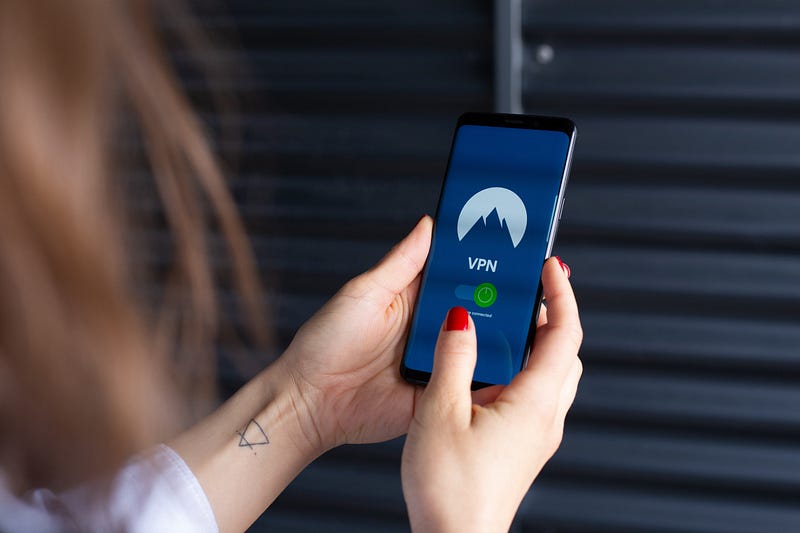
With a Virtual Private Network (VPN), you can protect your information from prying eyes and regain a measure of privacy online.
What is a VPN, and how does it work?
As soon as you start using a VPN. The VPN creates an encrypted tunnel and all the data is transmitted through that tunnel. Consider it as a Metro Bus Station. Except, you get to have your bus to travel safely while others travel in groups. Your privacy will be secured marginally. While doing so, your IP address will be the same as the VPN’s server you’re connected to. The VPN server could be anywhere in the world and you will have that IP address of the said server/tunnel you’re using, giving you an extra layer of security.
Importance of a VPN
To understand the importance of a VPN, it helps to think of certain scenarios where you’d like to use a VPN. For instance, you’re sitting in a coffee shop, said Starbucks. You will take your phone out and connect to the public Wi-Fi without giving it a second thought that there might be someone on the network, waiting for you to connect and possibly make a transaction of some sort through your banking apps or website. The credit card credentials will be compromised in an instant. Your passwords, private information, photos, text messages, and bank credentials. All at a risk, just because you decided to connect to a network that said “Starbucks Wi-Fi”.
This scenario could have been avoided by using a VPN. When using a VPN, the user can rest assured that he/she is accessing a private network and no one is waiting on for them.
When you’re at home. You think you’re safe just because you own the network. But wrong! Even then you’re not safe. The Internet Service Provider (ISP) has enormous insight into what you do online. That means that the ISP you pay for your internet service is making money off of you by selling your data.
Your Browsing History.
Whenever you go online, your Internet Service Provider can track just about anything you’re doing on the Internet. A lot of the websites, you visit can keep your browsing history. Things like cookies allow websites to track your internet usage even after you’ve left the website. This all sounds scary, doesn’t it? Knowing that you have no control whatsoever about your privacy online? That’s why using a VPN is recommended because as we said earlier. It acts as a private tunnel just for you to walk in and out securely. All your data will be redirected through the safe servers so you can browse anonymously. For instance, you have a medical condition that you wouldn’t want anyone else to find out. You’re trying to google it. But the websites you visited started tracking your activity. Then afterward, ads related to the medical condition you searched for start popping up everywhere. You wouldn’t want that right? For the very purpose, a VPN can save the day by helping you browse anonymously.
Your location for Streaming.
You might pay for a service to watch TV serials, sports or movies. However, if you’re traveling outside the country where these services aren’t available then that could be problematic. Using a VPN will allow you to select an IP address from your home country, giving you the best for bang for your buck!
Sometimes, it can be the other way around. For instance, I live in Pakistan where Spotify is not supported. I can simply use a VPN and choose a region where Spotify is supported. That way I can enjoy my HQ music streaming service!
Your IP address and Location.
Anyone who captures your IP address can view what you have been searching and where have you made these searches from. Think of an IP address like an address on the letter, which leads back to your device. Anyone that can look up your IP address can easily pry on your personal information, gather your browsing history, and sell it for profit or commit a crime. A VPN masks your IP address and makes sure that your network stays private, so you can browse anonymously and safely!
Note: Your search history can still be viewed if you’re using a computer connected to a local network.
Your access to Geo-blocked Websites
Using a VPN can allow you to access websites that are blocked in your region. I remember a couple of years ago Youtube was blocked in my country due to some reason. That’s when I first learned about a VPN and its wonders. It allowed me to view my favorite content creators seamlessly across my computer and smartphone.
Allows Bypassing Internet censorship.
Some content may be offensive for some people living in certain demographics or it may not be appropriate at all! Many Chinese people are using VPNs to bypass the Great Wall of China to gain access to the rest of the world. China doesn’t allow platforms like Facebook and others, so the people who are interested in using these platforms, use a VPN to gain access.
How to Choose a VPN?
Choosing a VPN is like going shopping. You browse around and see how much each cost for monthly and yearly subscriptions. It all boils down to the user preference, however, I am going to recommend you some well known VPN’s!
1. Express VPN — This VPN is pretty straight forward. Has really fast servers, supports streaming media and torrenting, all for a cheap price.
2. Tunnelbear — Another well-known VPN that allows you to enjoy a free tier before you decide to buy the whole thing.
3. Hotspot Shield — Pretty Straight forward VPN which also allows you to test before buy option!
Conclusion:
These days VPN’s are famous and almost everybody is now aware of their privacy. People are getting smarter and smarter and they know how to protect themselves. A VPN allows us to browse anonymously while protecting our privacy and keeping us safe from prying eyes of hackers.