
What Is a Failure Resume and Why Might You Want One?
A “failure resume” can not only set you apart in job applications but also help you reframe what success means
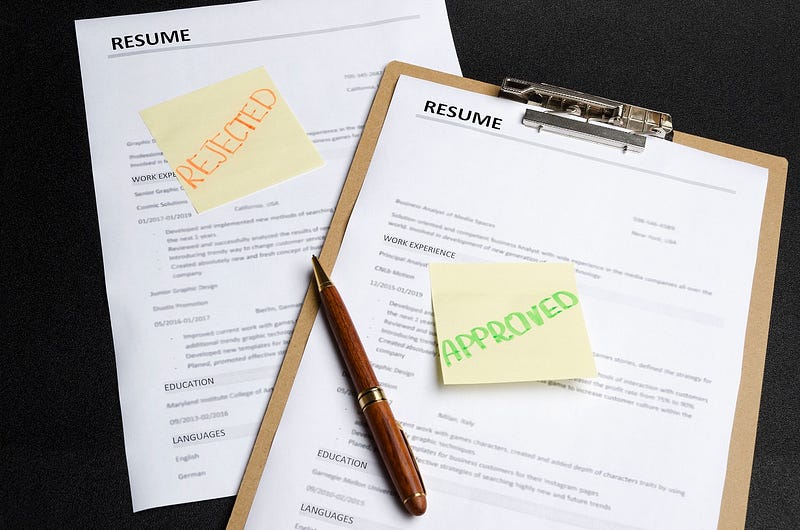
When Thomas Edison looked at his failures, he reflected that they weren’t actual failures. He saw them as successful instances of the times he discovered approaches that didn’t work. When Winston Churchill failed, he looked back and said that failure was not fatal, success was not final.
These ideas by the great scientist and the great leader are ones we all could benefit from. People spend much time thinking about how great it’ll be when they succeed. What most neglect to think or talk about is failure.
Inspired by Edison and Churchill, my view on life has changed. Their teachings remind us that while we chase success, we often overlook failure’s vital role in shaping it.
Why it’s beneficial to put your failures on your resume
My journey has taught me that success is deeply linked to past failures. While celebrating wins is easy, true growth comes from reflecting on our mistakes. That’s why I champion the ‘failure resume’ — a record of missteps leading to success.
Listing our mistakes grounds us, reminding us that success isn’t permanent, and prepares us to lead with empathy. Showcasing failures with achievements demonstrates resilience and a commitment to continual learning, ensuring past mistakes don’t repeat. This means you’re able to understand when you do succeed why you deserve to be where you are.
You’re also able to wear your success lightly. Maintaining a record of your failures may help you keep in mind that success is rarely permanent — you may fail again, as you failed earlier. It can also help you be a better leader by making you more empathetic when those under you fail.
When you put your failures on your resume, you show the hiring manager that you’re someone who never stops trying and someone who won’t make those mistakes again because you’ve already made them.
How do you write a failure resume?
Most people who write resumes put down accounts of times that they succeeded. When you write about your failures — the colleges that rejected you, the jobs you weren’t hired for, the times that your mistakes got you reprimanded at work — it can help you stand out from all the other candidates.
Here are my thoughts on how to include failures on a resume.
- First, document your successes and achievements on your resume. Once you’ve let the hiring manager know that you’re capable of good work, only then should you write a short description of your failures.
- Documenting your failures is only valuable when you’re able to prove that you learned something from those experiences. Think long and hard about specific ways that you gained from your failures so you can describe them profitably.
- To make sure that your resume doesn’t misfire, I recommend employing a sense of humor in describing failures. For example, you may say if your failure resume is longer than the next applicant’s, it only shows that you’re better at trying new things. Keeping the tone cheerful can help the hiring manager keep the discussion in context.
While others highlight only victories, I now include in my resume my setbacks — rejections, missed chances, and professional errors. I first showcase achievements, then carefully add failures as lessons learned, not flaws.
This approach requires careful thought and a touch of humor to show that these experiences enhance my potential for future success.
You might worry that drawing attention to your failures in your resume makes it more likely that you’ll be rejected. In my experience, hiring managers understand and appreciate the honesty of ‘failure resumes.’ This adds authenticity and depth to a candidate’s professional story.
If you like to keep your resume updated at all times, as you should, I believe adding a failure section to it is worth considering.