
What Is A Consumer In Marketing (Everything You Need To Know)
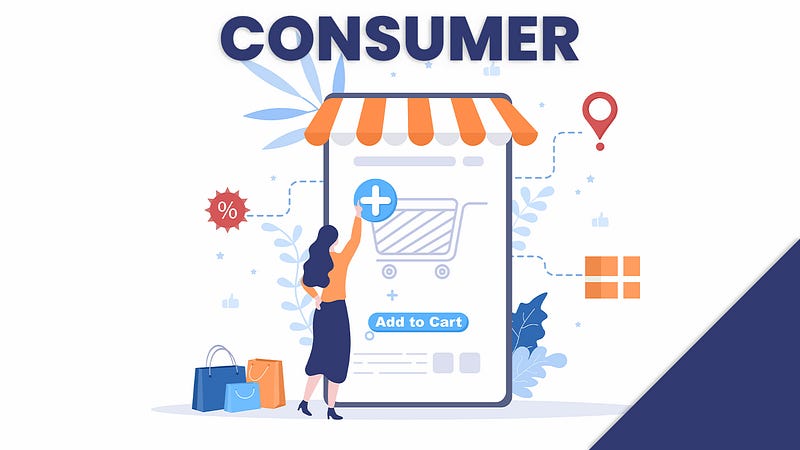
A consumer is someone who purchases a good or service with the intent to use it, rather than to resell it. They are the end-user of a product or service, and the lifeblood of any business. Marketers typically focus their efforts on understanding and influencing consumers, as they are the ones who make or break a company.
There are a variety of different types of consumers, each with its own wants and needs. Some may be more price-sensitive, while others may be more concerned with the environmental effects of a product. Understanding who your target consumers are and what drives them is essential for any business hoping to be successful.
In order to better understand and target consumers, marketers often use market research. This involves studying consumer behavior, demographics, and other factors that influence purchasing decisions. By understanding what makes consumers tick, businesses can create more effective marketing campaigns that speak to their target audience.
Ultimately, the goal of marketing is to persuade consumers to buy a company’s product or service. The better a marketer understands consumers, the more likely they are to be successful in this endeavor.
If you surf the internet insecurely, consider using Nord VPN as it keeps you and your family safe. Follow this affiliate link to Learn More about Nord VPN.
The Different Types Of Consumers
There are three types of consumers in the world: rational, emotional, and habitual.
Rational consumers who exhibit rational behavior are those who make decisions based on logic and reason. They are always looking for the best value for their money and are not swayed by emotion.
Emotional consumers are those who make decisions based on their feelings. They are often swayed by advertising and may not always make the most rational choices.
Habitual consumers are those who make decisions based on habit. They may not always be the best at making choices, but they know what they like and stick to it.
How To Target Your Consumers
When you're marketing your product or service, you want to make sure you’re targeting the right people. After all, if you’re spending all that time and money on marketing, you want to make sure it’s reaching the right people. But what is a consumer, and how do you target them?
A consumer can be defined as someone who buys or uses a product or service. In other words, they are the end goal of your marketing efforts. So how do you target them?
There are a few different ways. One is by understanding their needs and wants. You can do this by performing market research, which includes surveys, focus groups, and interviews. By understanding what consumers want and need, you can create products and services that meet those needs.
You can also target consumers by their demographics. This includes things like age, gender, income, and education. By understanding who your target consumers are, you can create marketing that is more likely to reach them.
Another way to target consumers is through their behavior. This includes things like how often they buy products, what brands they buy, and what media they consume. By understanding how consumers behave, you can create marketing that is more likely to influence them.
Finally, you can target consumers by their attitudes and values. This includes things like what they believe in, what they care about, and what they consider important. By understanding what consumers value, you can create marketing that appeals to them.
So, how do you go about targeting your consumers? By understanding their needs, demographics, behavior, attitudes, and values. By doing this, you can create marketing that is more likely to reach them and influence them.

If you enjoy learning about what others are doing in your field. Consider subscribing to Medium.com as it’s an amazing blogging platform to learn and grow as a professional. You can join using my affiliate link here — Subscribe to Medium.
How To Create A Consumer-Friendly Marketing Campaign
A consumer is a person who purchases goods and services for personal use. Consumer-friendly marketing is designed to appeal to consumers and meet their needs. It is important to understand what consumers want and how to reach them with your marketing message.
There are several ways to create a consumer-friendly marketing campaign. One key is to make sure your message is relevant to your target audience. You also need to create an emotional connection with your audience, using persuasive language and appealing visuals.
It is also important to make your marketing campaign easy to understand. Use clear and concise language, and keep your messaging consistent across all channels. Be sure to consider the needs of different types of consumers, and design your marketing accordingly.
Finally, be sure to test your marketing campaign before launching it. Use feedback from consumers and other stakeholders to make changes and improve the effectiveness of your campaigns.
Creating a consumer-friendly marketing campaign can be a challenge, but it is worth the effort. By understanding your target audience and appealing to their needs, you can create a campaign that is both effective and successful.
What Makes A Consumer Buy A Product
There is no single answer to this question as consumer behavior is complex and can be influenced by a variety of factors. However, in general, consumer buying behavior can be explained by the following factors:
- Needs and wants: All consumers have needs and wants, which drive them to buy certain products. Needs are basic requirements that must be met in order for a person to survive, such as food, water, and shelter. Wants are not essential for survival but instead are desired items that people believe will improve their quality of life.
- Perception: How a person perceives a product can have a significant impact on whether they choose to buy it. For example, if a consumer believes that a product is of high quality, they are more likely to purchase it. Likewise, if a consumer perceives a product as being affordable, they are more likely to buy it.
- Influence of others: Social influences can play a big role in consumer behavior. For example, friends and family members can often have a significant impact on what products someone decides to buy. In addition, marketing and advertising can also have an influence on consumer behavior.
- Emotions: Emotions can also play a role in consumer behavior. For example, people may buy products that make them feel happy or products that they believe will make them look attractive.
- Habit: Some consumers buy products based on habit, rather than any other factor. For example, a person may buy the same brand of coffee every day without really thinking about it.
The Different Consumer Behaviors
There are three types of consumer behavior that marketers have to take into account when creating their campaigns:
1. Habitual: Consumers who buy the same products over and over again because they are familiar with them and they trust the brand.
2. Rational: Consumers who buy products that they believe will fulfill their needs and wants.
3. Emotional: Consumers buy products that make them feel good, even if they don’t necessarily need them.
Each type of consumer behavior requires a different marketing strategy.
Habitual consumers need to be shown that the product is worth switching to, rational consumers need to be convinced that the product is the best option, and emotional consumers need to be made to feel that the product will make them happy.
Marketers also need to take into account the different life stages of consumers, as each stage has different needs and wants.
For example, a young person just starting out in their professional life is likely to be more rational in their spending, as they need to buy products that will help them get ahead.
An older person who is closer to retirement may be more habitual in their spending, as they are more comfortable with the products they know and trust.
It’s important for marketers to understand the different needs and behaviors of their target audience in order to create effective campaigns that will convert consumers into buyers.
The Importance Of Consumer Feedback
A consumer is a person who purchases and uses a product or service. In marketing, it is important to understand the needs and wants of consumers in order to create products and services that meet their needs and wants. Consumer feedback is important for businesses because it provides feedback about the products and services that are offered. This feedback can help businesses improve their products and services and meet the needs and wants of consumers.
If you enjoy learning about what others are doing in your field. Consider subscribing to Medium.com as it’s an amazing blogging platform to learn and grow as a professional. You can join using my affiliate link here — Subscribe to Medium.
How To Keep Up With The Latest Consumer Trends
As a marketer, it is important to stay current on consumer trends. This helps you create relevant and engaging content, and also allows you to better understand your target audience.
So, what are the latest consumer trends? Here are a few to keep in mind:
1. Consumers are increasingly interested in sustainable living.
2. They are also interested in health and wellness.
3. Consumers are looking for value, and are often willing to switch brands if they believe they can get a better deal.
4. They are also interested in personalization and customization.
5. Finally, consumers are increasingly using technology to make purchases.
How can you keep up with these trends? Here are a few tips:
1. Stay informed. Read industry publications, follow relevant blogs, and attend industry events.
2. Stay connected. Use social media to follow the latest conversations and trends.
3. Try new things. Experiment with different content formats and strategies.
4. Keep an open mind. Be open to new ideas and change.
5. Stay current. Regularly update your knowledge of the latest consumer trends.
The Benefits Of Consumer Research
The term “consumer” is used in marketing to refer to the people who buy or use the products or services that a company offers.
Consumer research is the process of studying and understanding the needs, wants, and behaviors of consumers in order to create marketing strategies that appeal to them.
There are a number of benefits to conducting consumer research. First, it can help businesses understand what products or services to offer and how to position them in the market. It can also help them identify potential markets for their products and understand what motivates consumers to buy. Additionally, consumer research can help businesses track customer satisfaction and loyalty, and identify opportunities for improvement.
Overall, consumer research is an essential tool for businesses that want to succeed in the ever-changing and competitive world of marketing. By understanding their customers and what appeals to them, businesses can create campaigns and products that are more likely to be successful.
5 key takeaways
1. A consumer is someone who buys or uses a product or service.
2. Consumer behavior is the study of how consumers make decisions about what to buy and how to use it.
3. Marketing is the process of creating value for a company through the creation and distribution of products or services.
4. Consumer marketing is the process of creating value for a company through the creation and distribution of products or services to consumers.
5. Consumer research is the process of understanding consumer needs and desires in order to create products and services that meet those needs.
Consumers In Marketing Conclusion
A consumer is someone who purchases a good or service with the intent to use it, rather than to resell it. In marketing, it is important to understand what motivates consumers to buy, and to target advertising and products accordingly.

If you found the article beneficial, smash the clap button as it helps others find my work. Don’t forget to sign up for my email list as I scour the web for useful information. Also, consider subscribing to Medium as it’s an amazing platform for people who enjoy learning from others. Please join through my affiliate link here Subscribe to Medium.


