
What India can learn from BLM movement
Either here or there… No middle ground
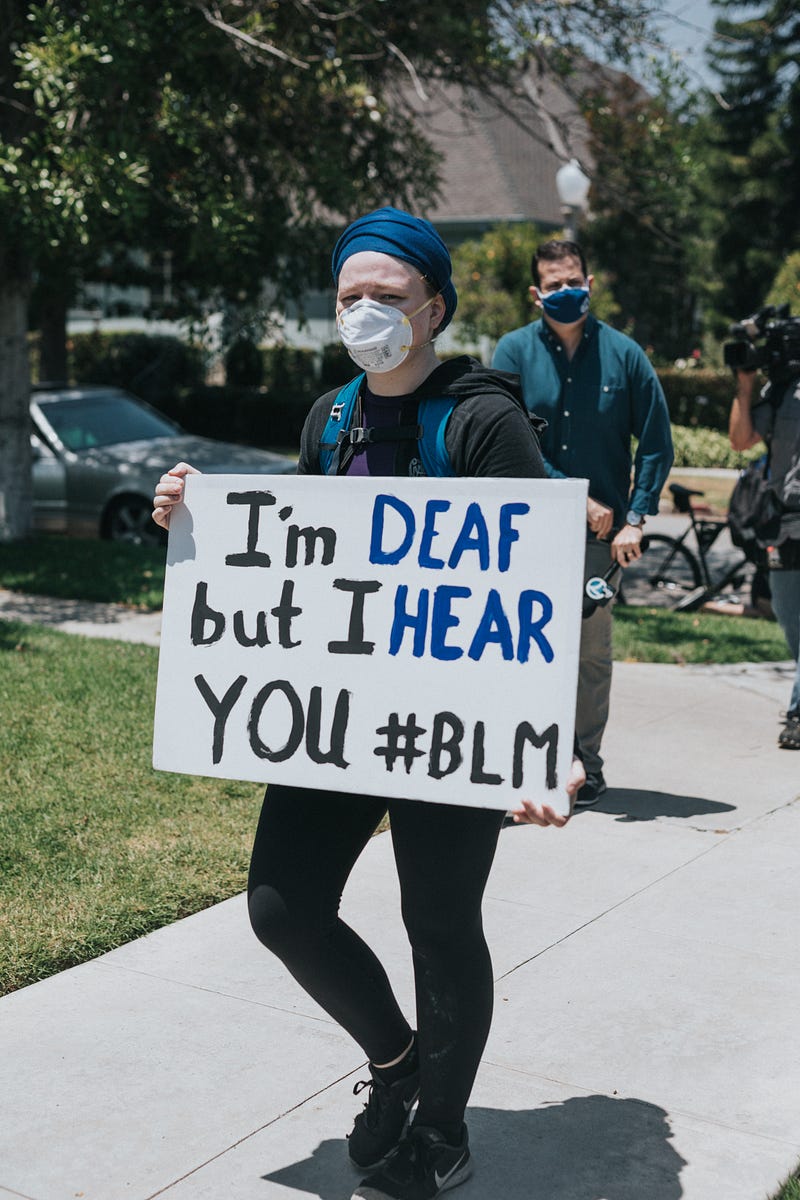
Do you advocate binary Logic of black & white or logic which accommodates the shades of grey? I am and do remain an advocate of the logic of the shades of the grey. Strangely some of the narratives coming from the innumerable articles I read on racism, #blacklivesmatter try to give a very different picture. There are only two options, you are racist or you are not. Before we make a judgment, we should be willing to listen to some of the voices of black people, especially from the US, and hear their experiences.
The entire discussion of race in America centers around the protection of White feelings…. A white person smoking pot is a “hippie” and a Black person doing it is a “criminal.” It’s evident in the school to prison pipeline and the fact that there are close to 20 people of color in prison for every white person. I’m gonna read that again: “Black and Muslim killers are ‘terrorists’ and ‘thugs’. Why are white shooters called ‘mentally ill’?” (John Metta).
Another time, when I’d walked back to my best friend’s empty house after a party, I accidentally set off the alarm, bringing the cops buzzing to his door. I wonder if the only reason it went so smoothly is because I quickly identified myself as a member of the military, opening their ears to hear the full story of what was happening. I think of what might’ve happened if they’d mistaken me, holding my military ID in my hand as I walked out the door, for something else.(Ramesh A Nagarajah)
To be black in America is to be born into the trauma of the constant threat of police violence, conforming, and self-censoring to navigate that unfair sidewalk and avoid the traps. (Michaella Henry)
The question is, Are you a racist? Many of the white could say that ‘I am not a racist’ because I have many black friends, relatives, employees, and so on. But it is time to see racism as a systemic injustice, where the American system (Americans may not be alone here) favors the white. Thus, by being white, I am the pet of the system; I may or may not be aware of it.
Thus, racism is no more a question only connected with personal relationships. Despite it being an important component, the crucial demand is to start seeing racism as a societal construct and systemic injustice. Some invitations to white friends are,
Many of the white people I know have no concept of the role they’ve played, passively or actively, in perpetuating these conditions. They have no idea how much we long to hear them speak up for us and to embrace some of the discomfort around these issues with us. Furthermore, the good ones are oblivious to the level of overt racism still out there. (Ramesh A Nagarajah)
Racism is so deeply embedded in this country not because of the racist right-wing radicals who practice it openly, it exists because of the silence and hurt feelings of liberal America. White people are in a position of power in this country because of racism. The question is: Are they brave enough to use that power to speak against the system that gave it to them? …. Stand up for what’s right. But first, make sure you look in the mirror long enough to see what’s wrong. (Elyse Cizek)
Yes, I support the binary logic here. There are only two options, being a racist or not. Much more than personal relationships and choices (though they are important), it is a question of supporting a system that shows preferences based on color. Accepting the reality invites us to start doing remedial actions, which remodels the system, and not doing some bandage works. Chris Pitre in his challenging piece gives a lot of starting points for the business leaders. Jason Weiland gives some ideas on where an unimportant white dude like him can start. A white mom speaks of the new journey she has started. Melinda Briana Epler speaks of 20 things that could be done as an ally. A quote sums it up,
“The beauty of anti-racism is that you don’t have to pretend to be free of racism to be anti-racist. Anti-racism is the commitment to fight racism wherever you find it, including in yourself. And it’s the only way forward.” — Ijeoma Oluo
What is the Message for India?
The #blacklivesmatter movement is raising pertinent questions which also issues a call to fight against all the systemic injustices around the world. I am sure fight may be really not easy in countries with dictators or dictatorial mentalities in the governmental systems, but it’s high time that the so-called liberal countries do take it up seriously. I would like to think from the perspective of the largest democracy in the world, India. I would look into two systemic injustices that are significant in the context of Indian. One is the age-old question of casteism and the second is the question of religious minorities, especially Muslims. Christians do experience, but it is negligible except at some corners of the country. Some of the poignant questions that can be asked is
- Does a Dalit or a tribal person do experience implicit biases of the system, thanks to their names, living surroundings, and so on? Don’t try to escape this question saying that they have reservations in government institutions.
- Does a Muslim person experience biases in the system, especially for getting an education, job, or buying land? (I think the situation has deteriorated badly in this direction in the last few years of the present government)
- Why reservation for the underprivileged in the government sectors haven’t yet created an egalitarian society? One response from some sections of the society would be to stop the reservation system, but my response is that the reservation system should be a supplement only to the crucial component of the systemic response, which is the radical improvement of opportunities and facilities for the underprivileged.
These are significant questions and I believe that systemic injustice does exist against these two sets of communities, though it is highly dependent on the location where they live. A more direct question that needs to be asked is,
- Are you a casteist? Like the American question of racist/not, this is much more than a question of your relationships with people of all castes, but a question on the equality or the special preference of the system. A response of Yes by any higher caste person will call him/her to fight against the unjust system which favors them.
- Are you communal? Again don’t say No because you have so many Muslim friends, but does the system favors your community over theirs? Does it make the life miserable for Muslims?
- We can continue asking questions, are you anti-woman and so on, but with the same logic.
A paraphrasing of the quote from Ijeoma Oluo could give us hope for the future, “The beauty of anti- ‘ism’ movements (like casteism, communalism, patriarchy) is that you don’t have to pretend to be free of those viruses to be part of those movements. It is the commitment to fight those viruses wherever you find it, including in yourself. And it’s the only way forward.”
This story was already in Youthkiawaaz, an Indian platform for youngsters.


