
Life Lessons
What If You Were Allergic To Plastic?
Plastic — Out. Health — In!
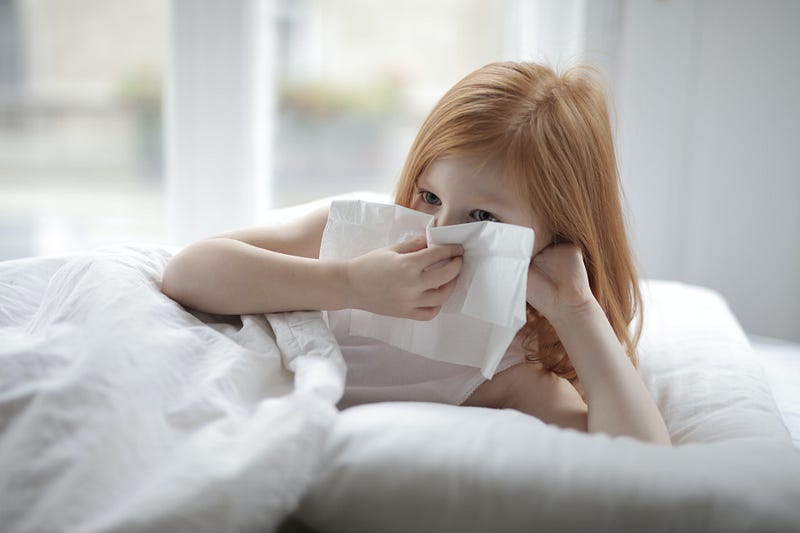
One day I call my mother and shock her with the following statement:
I am allergic to plastic!
Wait, what?! How come?! What happened?! — she shoots questions like piercing bullets.
Well, — I continue — Every time I have to touch something from or in plastic — a robust chest tightness begins, and it supervenes with heart palpations, sweating, and nausea. My whole body gets internally on fire. There is this feeling of anxiety. My hands start shaking, and I’m turning sick at it. My only salvation is to get it away from my eyes and remain in fresh air until my mind clears up.
But is this occurring when you touch it?! — she asks, frightened.
No, mother. It’s not. My body and mind are so sensitive to plastic that my symptoms start at the very moment when I start thinking or just looking at it. It’s like everywhere.
Then, our conversation continues, and my mother tries to soothe me down and convince me that everything is fine. Only that this time it’s not going to work out. My entire system feels goosebumps, and it will explode if I don’t do something about this.
It’s been almost four years now since I’ve begun living a more profound and conscious life. That switched my choice-making to more mindful as well. I began to question everything before buying it.
Am I hurting someone? — this is the most frequent question that I’ll ask myself before buying a product while referring to myself, my loved ones, all sentient creatures, and of course, to our nature. If my answer is yes, I’ll do as much as possible to avoid the product and replace it with another more sustainable one.
But don’t think that I’m a saint, all right? I have weak sides and weak times as well. Genuinely, I do not believe in the zero-waste movement. For me, it’s almost impossible to live with a zero-waste lifestyle. There’s always some small detail to add up to my footprint. However, this doesn’t stop me from trying and challenging myself every next time.
Health Danger of Plastic

Plastic, by no means, can be risk-free. Made out of different chemicals, and each hides a potential danger for human health.
Even though my allergy is on an environmentally spiritual level, I and you — we might be cluelessly allergic and threatened by many toxins and additives released in our food and environment through plastic packaging.
Over the past years, manufacturing and plastic use has risen dramatically. As a result, our daily contact with polycarbonates, which frequently contain toxic chemicals like bisphenol A (BPA) and phthalates — endocrine disruptors, has increased as well.
What does this mean for our health?
You guessed right — threat. Regardless, exposure to specific chemicals can be small — if it repeatedly occurs, their negative impact can add up. That inevitably leads to adverse health outcomes.
Plastics are a significant cause of occupational skin disorders such as irritant or allergic contact dermatitis. Even though such rashes aren’t life-threatening, they can be very uncomfortable.
Researches about allergic reactions to plastic such as asthma, hay fever, or eczema can be traced back to twenty years. In fact, in this century, plastic allergy has become a very puzzling question for scientists.
Regardless, our homes and store shelves are overloaded with it. So is there anything that we can do to protect our health? Yes, there is, and I’ll help you explore four easy ways I use to reduce my exposure to plastic.
Plastic-Free Solutions
Water Filters
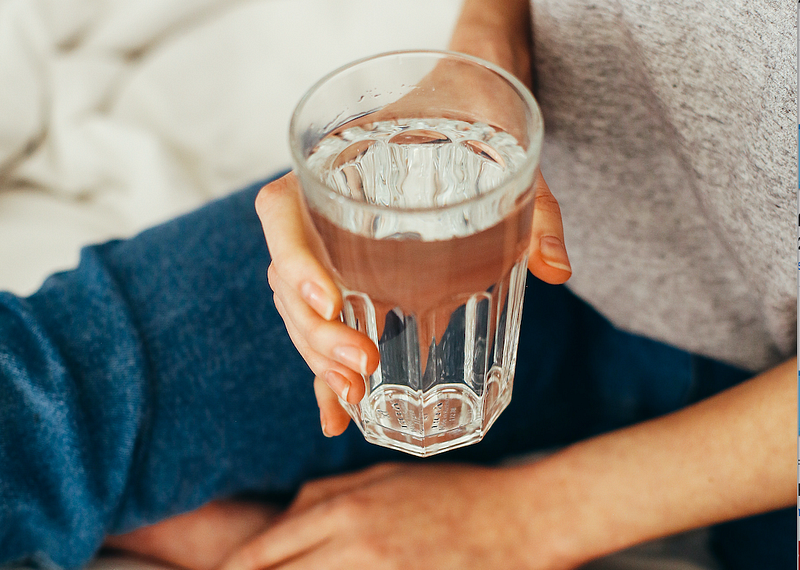
When will plastic bottles become outdated?
If current trends continue, our oceans could contain more plastic than fish by 2050.
- Problem
Effective marketing. That probably is the number one reason why people continue buying bottled water. The number two is because they are not ready when they needed. So let’s debunk both causes and help you chose a water-safe and plastic-free option.
The Natural Resources Defense Council, a non-profit organization, has conducted a four-year study of the bottled water industry, including its bacterial and chemical contamination problems. The results? About one-fourth of bottled water appeared to be bottled tap water in some cases with additional treatment, in others without any.
Furthermore, the same study has found numerous cases of contaminated bottled water. Levels of chemical or bacterial contamination above the required standards were found — in about one-third of the tested bottled waters.
If that is not enough of a shock, another research showed that out of 259 processed bottles — 93% showed signs of microplastic contamination.
Water bottles are not biodegradable. They can only disintegrate into smaller fragments over time. However, if they do, they only further pollute water and nature through the toxins they release.
- Solution
So if you already hooked up to avoid single-use plastic bottles or whatever plastic bottles in general, I’ll share with you my experience on ditching plastic bottles.
Three years ago, we went to India, and for the first week, plastic bottles were the only option, as far as I remember. But one day, something very oppressive happened — as I opened the sealed bottle of mineral water and was preparing to drink from it — I saw something floating on top. Can you guess what it was? I’ll give you a few more seconds to think about it.
I’m sure you didn’t guess it — it was a floating thick. Yes, a thick, the one that sucks blood and transfer infections and diseases. I took it out, and to reassure — I squeezed it in a paper. Yep, it exploded. It was full of blood. Gross. Floating there in my sealed bottled water. The one that is supposed to be cleaner and healthier, right?
After this experience, my thoughts on bottled water shifted. We bought water bottles of stainless steel, and in the next three months, we were always filling them with filtered and purified water from the places we were visiting. That is how I realized that surviving without bottled water was possible even in a third world country like India.
Afterward, I switched to a glass bottle, as the stainless steel was just not my type. We now use two water filters at home and have learned to purify the water ourselves. The brands we use — Big Berkley and Katadyn Combi Water Filter.
Nowadays, I’ve learned to keep glass water bottles in the car and by myself almost always. I got used to asking for fill up even on airports of developing countries like Mexico and Thailand, and never got refused.
And if I can do it, well, pretty much anyone else can do it too, right?
Bulk Foods
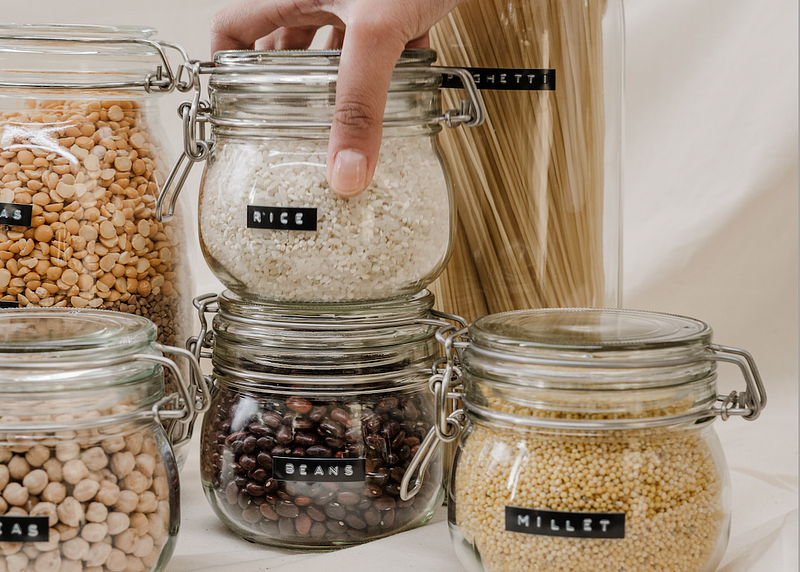
Ditching single-use plastic is a must.
- Problem
Some of the reasons that plastic is so popular among global brands are its durability and decay resistance. However, this convenience comes at a price. There is no second thought that plastic packaging is extremely wasteful in terms of resources and its detrimental impact.
Lack of infrastructure and regulations are two major issues in this environmental disaster. Single-use plastic packaging is one of the biggest generators of plastic pollution. Any ideas where goes all this packaging waste?
It is transferred to limited landfills, or even worse, it roams freely in the environment. Furthermore, waste disposal is costly, and only 14% of the world’s plastic waste is recycled. The circular economy for plastics is weak, and it’s time for fast change. It’s time for sustainable shopping!
- Solution
Buying food in bulk will reduce your environmental impact. Tons of food and landfill waste comes from packaging. Take a moment to observe your waste products. You will be able to analyze if it’s possible to buy the same in bulk.
Bulk foods sell in scoopable containers, and you can use your packaging. Another great thing is that the sale of such foods is rising more and more in supermarkets. Therefore, you might not need to look for a Whole Foods store.
If you or your family are having trouble understanding or fighting with the severity of this plastic problem, there is a simple trick that I used to change the perception of my family, and it worked.
I solely kept every plastic we bought — the small boxes from spread creams, big ones from yogurts, packages from snacks, whatever comes to your mind, you name it.
In two months, our kitchen drawers were exploding with single-use, no purposeful plastic. That certainly helped my family not only to see the problem but also to experience it and to realize my point of view.
We now shop everything we can in bulk — oats, beans, nuts, spices, etc.
Even though we haven’t completely eradicated plastic from our lives, we are fighting with it every day and give our best to do so. And at the end of the day, isn’t it that what matters the most?
Reusable packaging
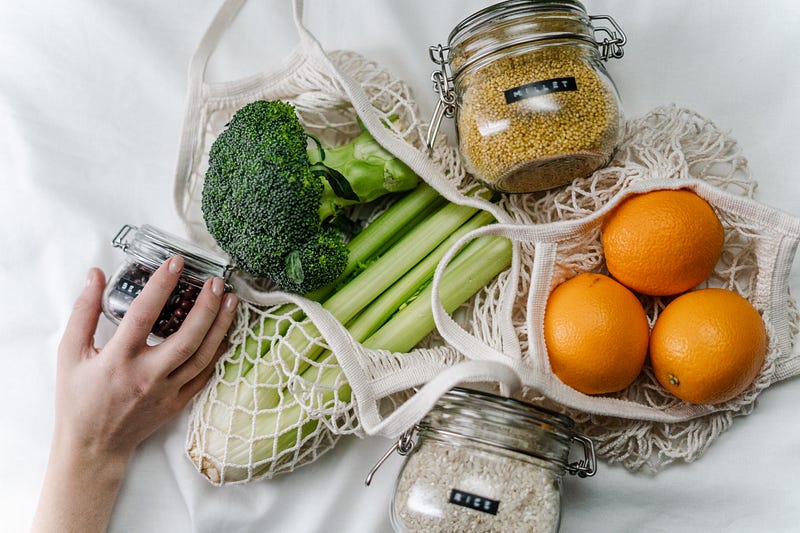
Please, for the sake of our planet, could you abandon plastic bags?
- Problem
Decomposition? Even after 1,000 years, plastic bags are not going anywhere. Instead, they only break down into tiny pieces known as microplastics. There are numerous studies, like this one, pointing out the problem of littering aquatic habitats with these microscopic plastic parts.
Plastic debris is affecting marine life on and offshore. Though we see our shores washed up and damaged with plastic, we do not see the overwhelming marine amount of plastic dispersed into microplastic.
Animals are unable to distinguish plastic from food. They mistake it for planktons, jellyfishes, or whatever their meal consists of, but plastic hasn’t entered the animal food chain only. It has entered the human one, too.
The process is called ‘trophic transfer’ — after one animal eats another, the microplastics move up through the food chain.
Plastic bags are silent killers polluting our water and soil. They have entered the food chain of aquatic and human life. Through this process, called bio-accumulation, a vast number of toxins transfer through animal fat and tissue into the human system. How can we overlook that?
Furthermore, at least thirty-two countries worldwide have plastic bag bans, and about half of them are in Africa. Nevertheless, plastic pollution is the reason for public health emergencies in many developing countries.
- Solution
Every time I go to the store or the street market — I feel nauseous. All these single-use plastic bags flying around. Sometimes I feel like they are multiplying in people’s hands.
Try to keep two-three big reusable bags full of small ones in your car. You will get used to them in no time. If you get to the shop unprepared, it’s still simple — try to use plastic bags as little as possible. Why putting bananas, oranges, potatoes, and similar food in plastic bags? You will peel them anyway, right?
And the last step — putting your plastic in more plastic. Why is this necessary?
When it happens that we go to the store unexpectedly, we shop less, and in the end, we always pack our food in a carton box. They are everywhere in most of the shops and no-one will ask why if you take them. Packing your shoppings in a carton box is much faster and convenient as well. Try it only once, and you will see it for yourself!
Recycling
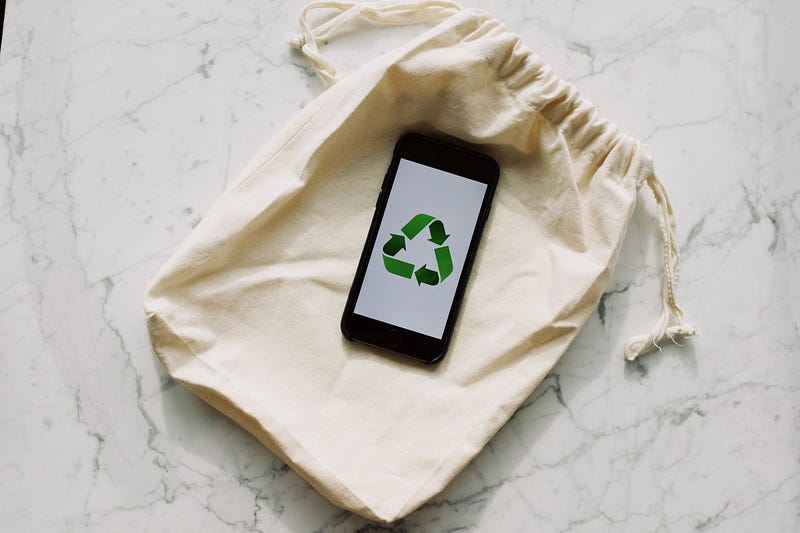
Is your singe-use plastic lunchbox even recyclable?
- Problem
Greenpeace released a report regarding the fate of garbage plastic packaging — after surveying 376 recycling facilities in the United States. The result? Most types of plastic were not recyclable due to their material. Most of the plastic packaging is denied from the garbage collection systems entirely. Therefore, it gets lost in nature.
Mismanagement of our plastic waste kills yearly hundreds of thousands of people around the globe. The report No time to waste, conducted by the charity Tearfund, estimates that between 400,000 and 1 million people die annually in developing countries due to diseases connected to plastic and its waste mismanagement.
That’s up to one person every 30 seconds. — How about that?
Waterways are often blocked by plastic bags and cause flooding. That spreads waterborne diseases. Accumulation of plastic swamps is rising, the spread of malaria and dengue, the spread of rabies and plague, and other diseases such as tuberculosis. Do you think that the poorest people in the world can tackle this global disaster by themselves?
In many developing countries, the only means for disposal of uncollected waste has become burning. But smokes released by burning plastic are highly toxic and are a direct threat to humans. They increase the risk of respiratory ailments, damage to the reproductive and nervous system, skin and eye diseases, plus heart disease and cancer.
Giant corporations like Coca-Cola, Pepsi, and Nestlé — are ranked as top plastic polluters for three years in a row. Nevertheless, we continue to neglect the facts that they make money on the back of our health while doing little to recycle their products.
- Solution
But who is to blame in this situation?
Well, I’ll tell you who — it is us, the consumers. We — the ordinary people, are the ones who allow this to happen by closing our eyes. We belittle the threat that this plastic tsunami has become for us due to simple convenience.
Firstly, I learned to read and understand the importance and the meaning of plastic symbols — the numbers within the chasing arrows triangle below each plastic. These numbers identify the type of plastic and it’s important to know that not all type of plastic is recyclable, neither reusable.
For example, products marked with #1 can be recycled, but should not be reused due to the difficulty to decontaminate, while products marked with #7 are not made to be reused and it’s very unlikely that they would end up being recycled.
You can learn more about recycling regulations and the meaning of packaging numbers here. After you understand each symbol and its origin — you will educate yourself more about chemical contaminants they can bring up, too. You will be able to protect your health and lessen your negative environmental impact as well.
Secondly, I realize that we, as a global society, must stop business giants from selling their non-recyclable plastic packaging. We need to require sustainable packaging and refrain from buying something that can hurt us, our loved ones, and our nature. And trust me, there is no stronger voice than the one of the consumer.
So spreading the word forward and educating people about the importance of recycling symbols is another positive contribution that everyone can make in the fight against plastic.
From the bottom of my heart — I believe that people need to address this global issue more often and provoke awareness and interest in others. We need to learn to implement plastic-free solutions into our daily lives because we, the consumers, govern and rule over the market!
I am making the change! Will you?
— — — — OUR PLANET IS OUR GARDEN — — — —