
What If You Only Eat Meat for 30 Days: Carnivore Diet
What if you only ate meat for 30 days? Would you gain muscle and burn a lot of fat by avoiding carbohydrates and processed foods, or would you suffer from nutrition deficiencies? Restricting yourself to only eating meat does sound extreme, yet it’s exactly what a diet plan that continues to grow in popularity, known as the carnivore diet, recommends for better health, better body composition, and more energy.
While the idea may seem radical, it has gained quite a large following over the last few years, including from some well-known individuals like Jordan Peterson, who claims that it can provide various health benefits. But what does the science actually say about what happens to your body if you only eat meat?
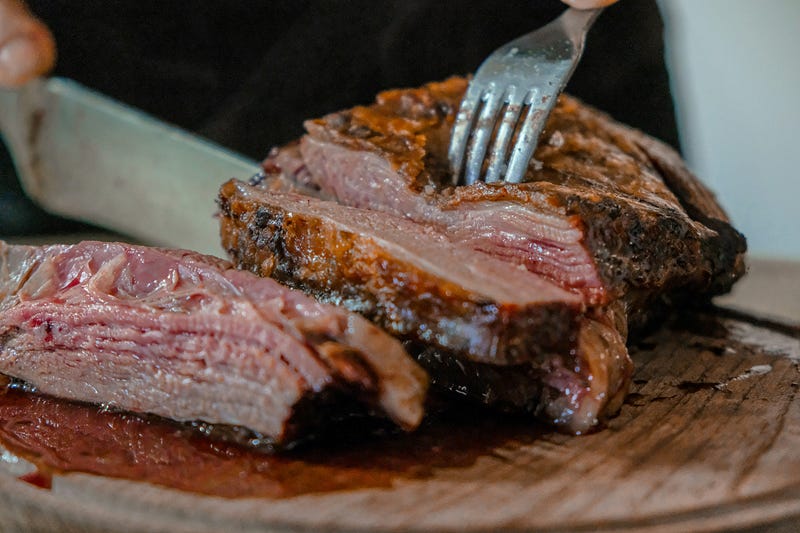
Well, first, there are some immediate physiological changes that you’ll experience. This is because when you switch to a meat-only diet, your body will undergo a significant metabolic shift. Carbohydrates found in foods like fruits, vegetables, and grains are the body’s default source of energy, broken down and stored in the form of glucose and glycogen. When you eliminate carbs and glucose from your diet, your body has to look for alternative fuel sources. That’s where ketosis comes into play.
Ketosis is a metabolic state in which your body burns fat and ketones for energy instead of carbohydrates. Ketones and keto acids are alternative fuel sources made when glucose is in short supply, produced in the liver from the breakdown of fats. Within a few days of starting a meat-only diet, you’ll likely enter ketosis, but this can take up to 2 weeks. Ketosis is linked to benefits like making it easier to lose weight. Research shows that you’ll feel less hungry and more full when in ketosis. The high protein and high-fat content of meat are also associated with appetite suppression and feeling more satiated, leading to weight loss without counting calories.

Since the carnivore diet is highly restrictive, it automatically eliminates many high-calorie foods like grains, sugars, and processed snacks. This reduction in caloric intake is likely to lead to fat loss on its own. Another reason for potential fat loss is that protein has a higher thermic effect of food compared to carbohydrates and fats, meaning it requires more energy to digest. This can potentially increase metabolism, aiding in weight and fat loss. Additionally, eating more meat may make it easier to build muscle, especially if you’re currently consuming very little or no meat at all.
However, there are some immediate concerns during the first week of adapting to a meat-only diet. Entering ketosis can trigger symptoms collectively known as the keto flu, including fatigue, headaches, irritability, lack of motivation, dizziness, sugar cravings, nausea, bad breath, and muscle cramps. This is your body adjusting to a new fuel source, and these symptoms can last up to a week and a half.
Another concern is the drastic reduction in fiber intake during the first week, as meat doesn’t contain fiber. This can lead to constipation, a common complaint among those on the carnivore diet. Some people also report experiencing diarrhea due to a drastic change in gut flora or the high-fat content of the diet.
As you transition to a meat-only diet, you may experience relief from food sensitivities or allergies, as the diet eliminates potential allergens found in plants. Additionally, you might notice enhanced mental clarity while in ketosis.

One significant benefit of a meat-only diet is its simplicity. With limited food choices, meal planning and grocery shopping become much simpler. There’s no need for complex recipes, and many people on the carnivore diet recommend avoiding seasonings.
However, despite the benefits, there are potential drawbacks. Nutrient deficiencies can arise over time, as meat is not a complete source of all the nutrients your body needs. For example, you may miss out on essential nutrients like vitamin E, vitamin C, and calcium, which are abundant in plant-based foods. The absence of carbohydrates could also lead to decreased athletic performance, especially during the adaptation phase.
Furthermore, a meat-only diet may impact cholesterol levels, raising LDL cholesterol, which is associated with an increased risk of heart disease. It’s crucial to monitor cholesterol levels, especially if you already have high cholesterol or are at risk for heart disease.


