
Travel / Jamaica
What if You Moved to Jamaica?
A few things to keep in mind before you Digitally Nomad your way off to the Caribbean
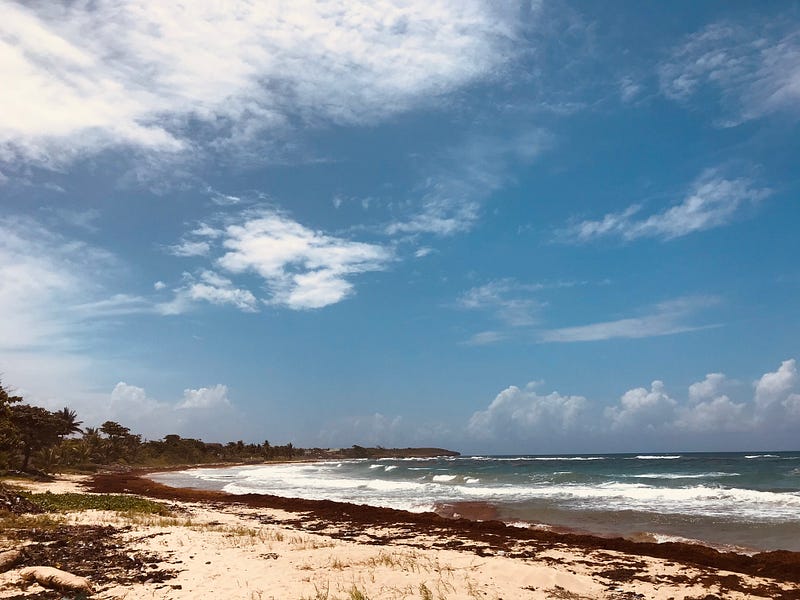
I am not Jamaican and I am not an expert on the country. I am privileged to be able to live here the way I do, but all I have is 8 months of that under my belt and a few previous stints before that. I do not make any claims to understanding the tax requirements or the immigration laws.
Alright, so that’s out of the way.
When I told people where we were moving to, almost everyone was able to produce a knowing smile followed by an envious chuckle. Maybe they’d been here on holiday at some point, maybe they’d heard things, maybe they’d imagined things. Maybe they wanted to come too. Tropical paradise and all.
But it’s not Spain and it’s not Bali. It’s not even Tulum. Indeed it’s beautiful but in a far more rugged, real and sometimes makeshift way than those spots. And as a result, it is not really on the radar of the Digital Nomad set, members of which are touching down in the most photogenic places of the world and working on a terraced roof overlooking the ocean, which is at any time just a quick jog away. Or at least that’s what I’ve been led to believe on Instagram.
Ok. Enough with the cynicism. It gets you nowhere.
What then, do you need to know if you choose Jamaica as a place to set up shop as a Working Foreigner (and can we please retire the Digital Nomad designation, already?)
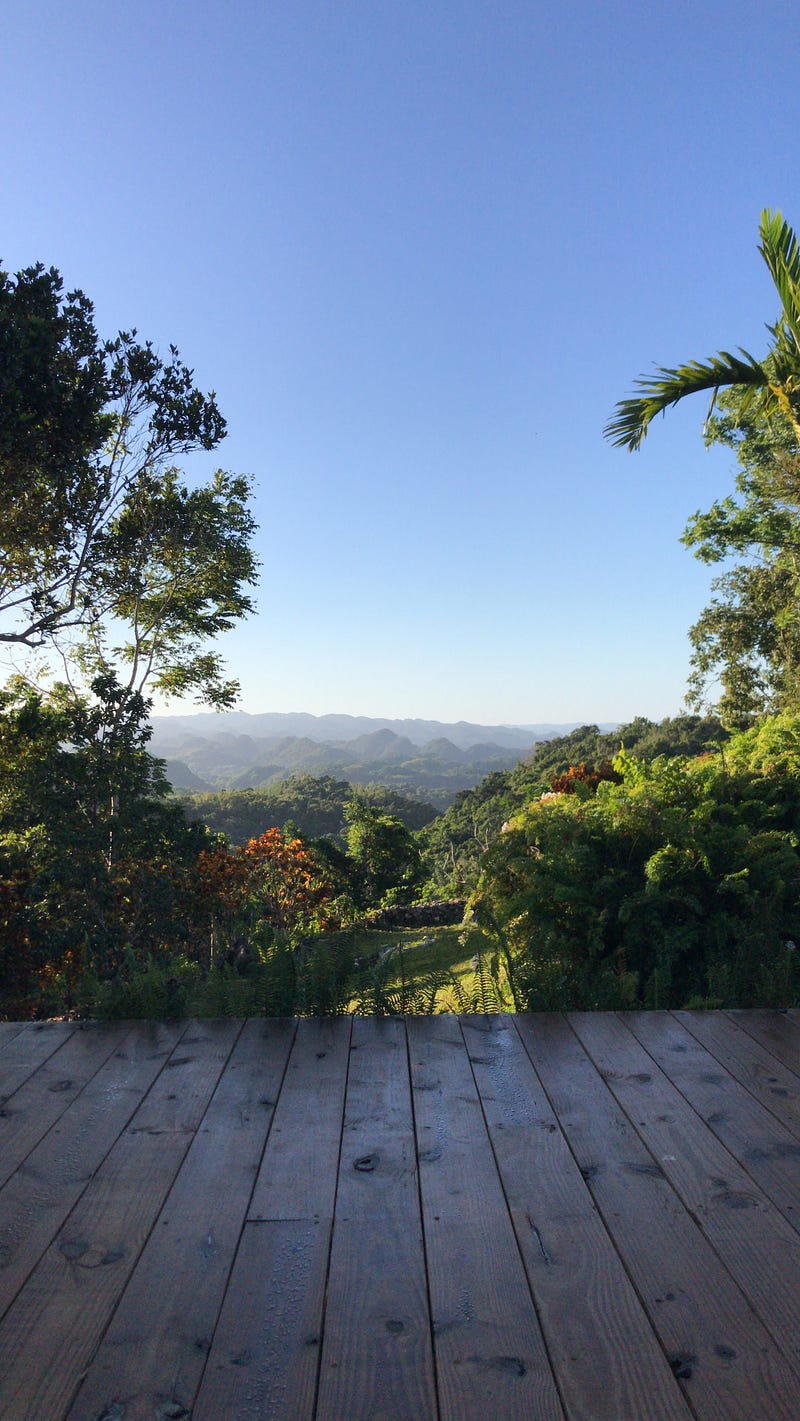
It’s a beautiful country. It’s always warm, there is city life, there is country life, there is beach life. The people are beautiful, genuine, welcoming and proud of their culture. The food is delicious. The gems of the place won’t readily present themselves to you, you will need to go and find them. But they will change your life, the off the beaten path spots. It is here that you will find the real Jamaica that is not highlighted on Trip Advisor.
No matter where you are going, there are some things to keep in mind if you are thinking about making a move. In Jamaica, as anywhere, it’s finding a balance between the positives and the not so positives.
The Weather. It’s a big part of the draw. It is always warm and sometimes it is hot. But for the most part, by mid afternoon if there hasn’t been a shower, then there is a lovely tropical breeze before it cools off in the evening.
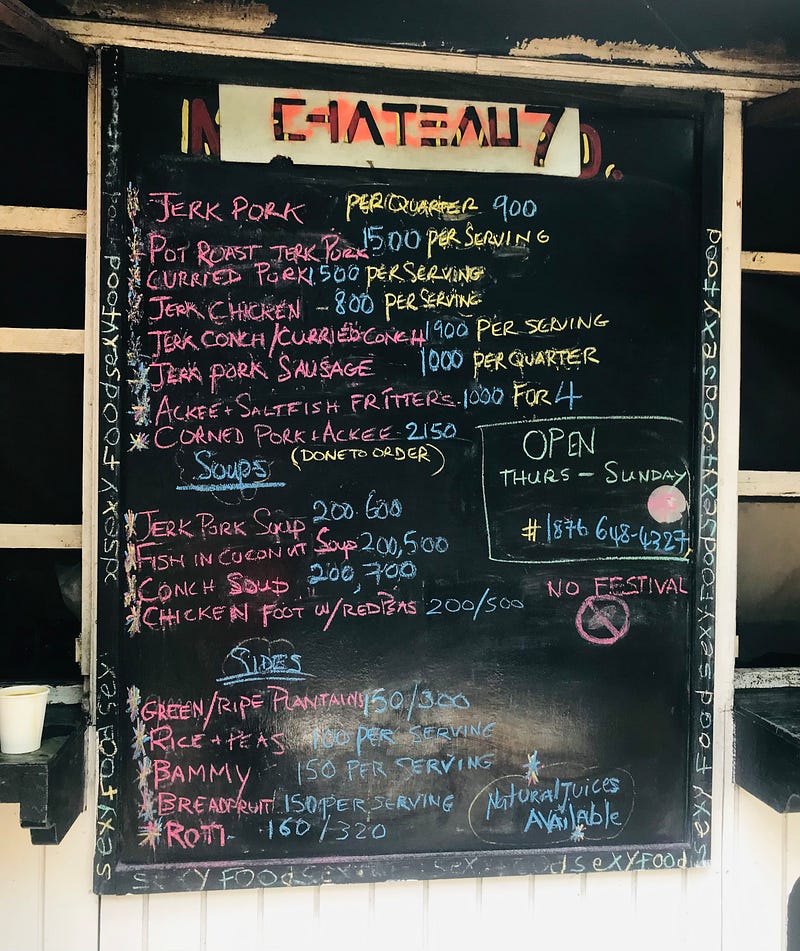
Food. All the usual American chains, if that is your thing (apart from McDonalds). Starbucks now exists on the island but does NOT sell Jamaican coffee. People flock there anyway. There are plenty of decent restaurants and bars in Kingston but it would be difficult to name one that truly stands out. The real treat, as far as I’m concerned, is Jerk Chicken on the side of the road in small stalls. Chateau 7 in Stoney Hill, in the hills above Kingston is run by a woman named Petra and will get the attention that it (and she) deserves in an upcoming article.
Music. It’s often on and is a big part of the culture. Don’t worry, great as he is, there is more to it than Bob Marley.
Beer. If you like Red Stripe, you’ll find it everywhere. Heineken and locally brewed Guinness too. In Kingston, two newly established craft breweries exist: Troubles Brewing (available in grocery stores and a few restaurants) and Clubhouse Brewing on the Constant Spring Golf Course. 16 different varieties on tap, and only available there. Both make for a welcome change from Red Stripe.
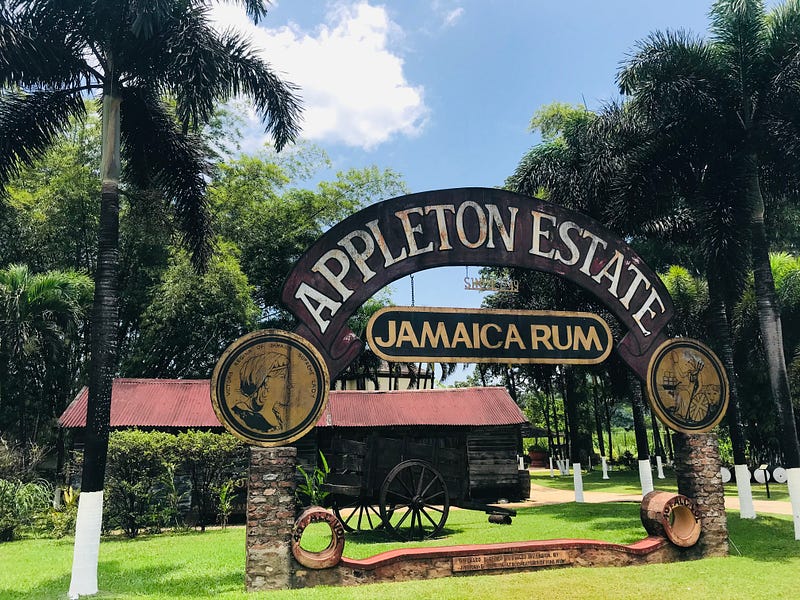
Rum. Rum is king and Appleton is king of the rums and there are 6–7 varieties to choose from. Low end for getting drunk, middle of the road for cocktails and high end for easy sipping. The factory is in the Appleton Valley in the western part of the island near a town called Maggotty. A tour is well worth it. There are other rums available from Plantation and Worthy Park, as well as rums from other Caribbean islands.
Coffee. Beautiful coffee to be had here, coming from the Blue Mountains in the eastern part of the island. Numerous coffee shops in Kingston (not called Starbucks) serve this stuff with justifiable pride. In many coffee producing countries, their best product is reserved for export and locals do not get a chance to drink it. Not so, here.
Other people. You will find expats all over the island, but they tend to congregate around population centres. There are many in Kingston, working for the UN, NGO’s, their country’s embassy or high commission or other businesses. There are also many Jamaicans who themselves have lived abroad at some point in their lives and have returned. This seems especially evident at the present moment, as many are returning home to live. Chances are, when they ask you where you are from, they’ll have lived there, been there or have a relative there. Jamaicans themselves are a diverse people, a mixture of migrant communities from around the world — African, Indian, Chinese, Lebanese, Portuguese, Jewish, European.
Traffic. In the city, it’s busy but in the country it is less so. The traffic in Kingston is notorious for the sheer number of cars on the road at peak times in the morning and late afternoon. But Jamaicans are good drivers and take precautions. It’s the taxi drivers and bus drivers that you really need to watch out for, as they stop anywhere and without warning. Interestingly, when they do, nobody seems to get bent out of shape about it. It’s not really worth it, since getting your blood pressure up won’t change anything.
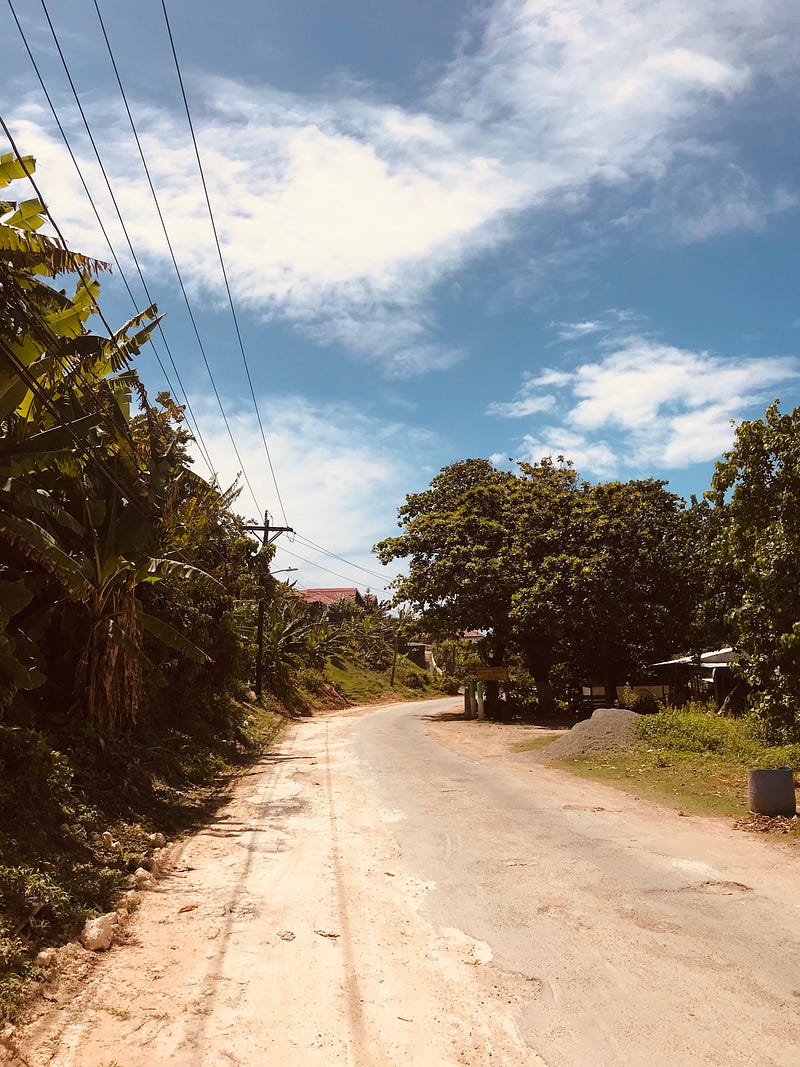
Driving. On the left side of the road, with a right hand wheel. Don’t worry, it’s intuitive when you do it. The roads are generally good in towns, less so in rural areas. There is a modern 4 lane divided highway linking the south and north coasts between Kingston and Ocho Rios and then more of the same in parts, linking Ocho Rios and Montego Bay as well as Kingston and May Pen to the west. Aside from that, it’s two lane roads that circle the island. If you get behind a truck, you’ll be there for a while, especially in the areas to the north and east of Kingston in St Thomas and Portland parishes and in the Blue Mountains.
Other people on the roads. There are not many bikes or pedestrians. There will be delivery drivers on motorbikes zipping between cars and taking you by surprise. At major intersections you will be offered window cleaning. Most provide a good service, most are friendly if you say no and are friendly about it too.
Access. There are international airports in Kingston and Montego Bay, both with regular flights to the eastern and southern US, Canada and Panama. There is surprisingly little regular direct connection to other parts of the Caribbean however. There are flights from Kingston or Montego Bay to Turks and Caicos, Trinidad and Tobago, and the Cayman Islands. For most other spots, an arduous stop in Miami (for the eastern Caribbean) or an easy one Panama City (for Central and South America) is required.
Language. Everyone speaks English just fine. It will just sound a little bit different from the English you are used to. Be patient and give yourself time to understand the rhythm, the patterns of speech and some of the word usage.
Costs. It ain’t cheap. Or rather, it can be, depending on what kind of a lifestyle you intend to lead. Local fruits and vegetables are cheap and plentiful, so are chicken, pork and eggs. Fish and seafood seem to be a little more expensive. Whatever is imported will cost you more, as will eating out the kinds of restaurants expats go to. Traveling within the country is that expensive and there are many types of accommodations. Finding a place to stay long term in a safe part of Kingston might cost you a bit as well.
Transportation. There is an island wide coach bus service called the Knutsford Express that goes everywhere in comfort. There are less comfortable, but cheaper mini van busses between towns. There is no shortage of taxis in towns, but riding in them is not for the faint of heart. To really get into the country, you’ll need a car though. Or know someone who has one.
Tourism. You can be a tourist if you want. The north coast is where the large hotels are conglomerated, especially around Ocho Rios and Montego Bay. You will probably not see too many of the type of people who go there outside of their hotel compounds.
You can also be a traveler. Negril, on the western tip of the island has a mix of big hotels and smaller family run operations. Kingston is not really a tourist spot, but is definitely worth a look. Further afield, the Portland parish and the south coast of St Elizabeth parish at Treasure Beach has a much more laid back, sustainable, locally involved, less package tour feel about it. These are more of a challenge to get to, less trafficked and therefore, more rewarding places to be in.
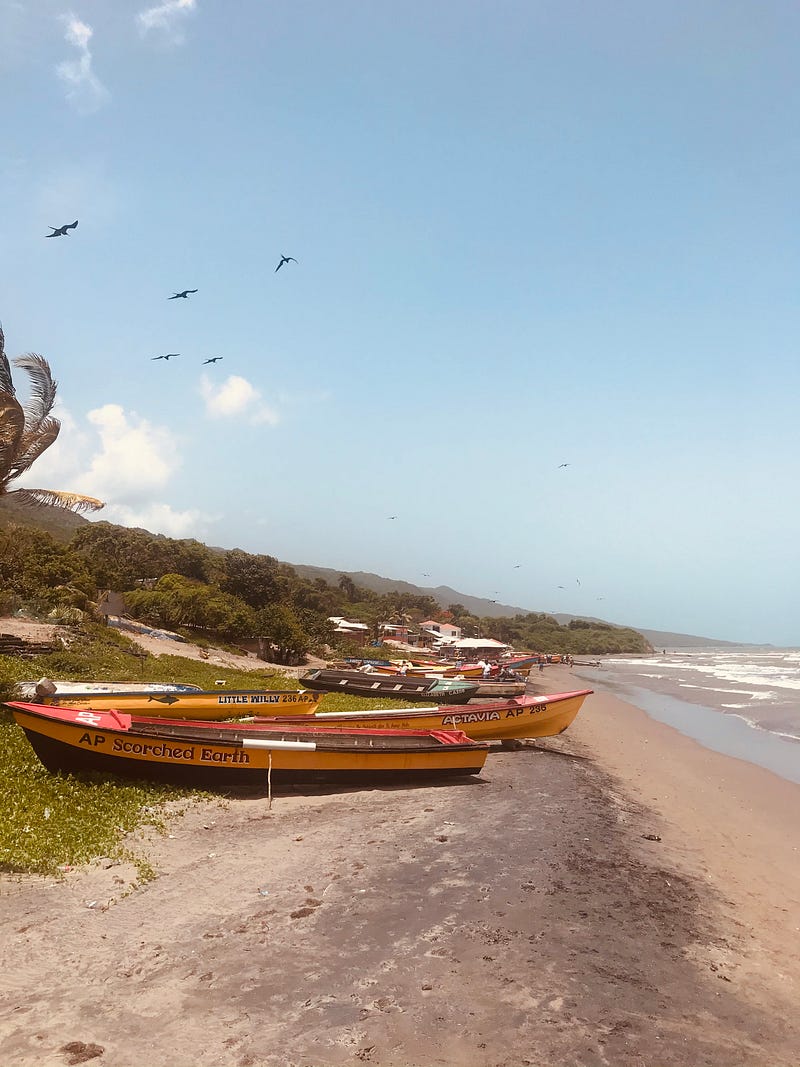
Beaches. A lot of them. If you are in Kingston there are options to the east in St Thomas parish such as Bob Marley Beach. South of the city is Port Royal — the beaches aren’t great, but you can get to Lime Key from there. To the west, past the town of Portmore are the Hellshire Beaches. Definitely Jamaican and definitely family oriented places which are a lot of fun on a Sunday afternoon. Whether you like rum or not, the people around you will invite you to join in.
The north coast around Ocho Rios has a number of private beaches. The area around Montego Bay is mainly — but not only — hotel beaches. Negril, on the western tip of the island has the longest uninterrupted stretch of beach in the country and the sunsets around the time of happy hour are well worth the trip.
Safety. Have never had a single problem here. But I am a large white male.
In the end, I can say that life is good here, especially in terms of its pace. However, while it is indeed a beautiful place to spend some time, it is not necessarily the tropical paradise that it is made out to be in tourist brochures. Sure, slices of that do exist, but so do all the social, economic, political and environmental problems usually associated with the Developing World Country.
That’s another article though. Meanwhile, anyone with questions, fire away.
If you like what you are reading here and want unlimited access to thousands of writers, consider a subscription to Medium. It’s $5 a month and if you use this link, then I get a piece of that. I’ll use it to buy a lifetime supply of sunscreen.


