
What if You Can’t Smell or Taste
How COVID-19 stole from me

Eight days ago today, I realized I had COVID-19. It was on a Saturday and I was at work. We had an older male patient present after a fall and possible injury to his wrist and hand. My co-worker asked if I smelled alcohol on the patient, I said I had not.
I became perplexed, alcohol was fairly easy to identify, why had I not smelled anything. So I went back to patient care and busied myself with the patient, taking care to be quite close to him and observe. I inhaled several times, deeply…nothing. I became extremely concerned.
Why was I unable to smell anything at all?
Where it all began
Let us return to the beginning. Eight days earlier, I had left work the previous Saturday afternoon, feeling pretty tired after my 12-hour ER shift. Nothing new there, this is usually par for the course and dependent on the degree of effort expended during the course of the work day. Saturday marked the end of my three-day run for that week and I would be off for four days until the next week.
I had also been plagued by a headache. I do not have a predisposition to headaches and rarely get them. This headache however was different. It felt as if shards of icy pain travelled covertly around my brain for the sole purpose of causing extreme discomfort. No amount of pain medicine seemed to help. Besides the pain I also experienced pressure and, my eyeballs were in such pain I tried not to move them at all but instead move my whole head and not my eyes.
So I got home, showered and went to bed, quite tired. The next day, Sunday, I mostly stayed in bed, by this time I also had a stuffy nose, swollen lymph nodes and a sore throat. My back (flank) was sore and I wondered if I had a kidney infection. Two nights before I had slept with the fan blowing directly on me and the air condition on “cold”, I reasoned that I had just caught a summer cold.
Monday I still felt listless, so I moved to the living room and laid on the chaise throughout the day. The headache was now an unwelcomed pest of a guest. I had gone to the store on Sunday with my daughter where I had an interesting monologue with a woman who did not have on a mask, you can read that below. I always wear my mask. So I had purchased some lozenges and other items of comfort.
When Tuesday rolled around I awoke with a burst of new energy. Throat pain was gone so I went to my computer nestled next to a window. I felt a restless need for movement. I was surprised considering the past three days I had had no energy to speak of.
In keeping with the energy flow, I got up and took my bicycle for a spin. It was nice going downhill, the uphill climb however was another matter. I was winded and panting but but I comforted myself with the thoughts that I was not a teenager and twice I got off and walked the bicycle for a bit. In the past I had taken this trail with little effort.
Thursday I arose to prepare for work and realize my nose is dripping copiously. Nice I thought to myself, this should be a fun day, a mask with an already runny nose…heaven help me! Somehow I managed to complete my shifts on Thursday and Friday.
Now it is Saturday again, a week later and I am unable to smell if this patient has imbibed alcohol.
I called my hubby. He works ER in NY and has been there since April with COVID-19. In a hushed and panicked voice I explain that I think I have COVID-19 and I just realized I cannot smell or taste anything for the past two days.
We decide to run a battery of experiments. I made my favorite French vanilla coffee and while it is brewing, I smell nothing! I sweeten it, sip…it tastes pretty bitter but no other components of taste are apparent.
It is as if I am consuming bitter water, nothing has a taste. I took an alcohol pad and stuck it all the way up my nose, nothing. I smell my wrist, I had sprayed perfume before work, nada. I try some other aerosols we have at work for odors, nothing.
I am really scared now. I reach for a candy, nothing. Nothing is working, I cannot taste and I cannot smell.
We diagnosed me as COVID positive.
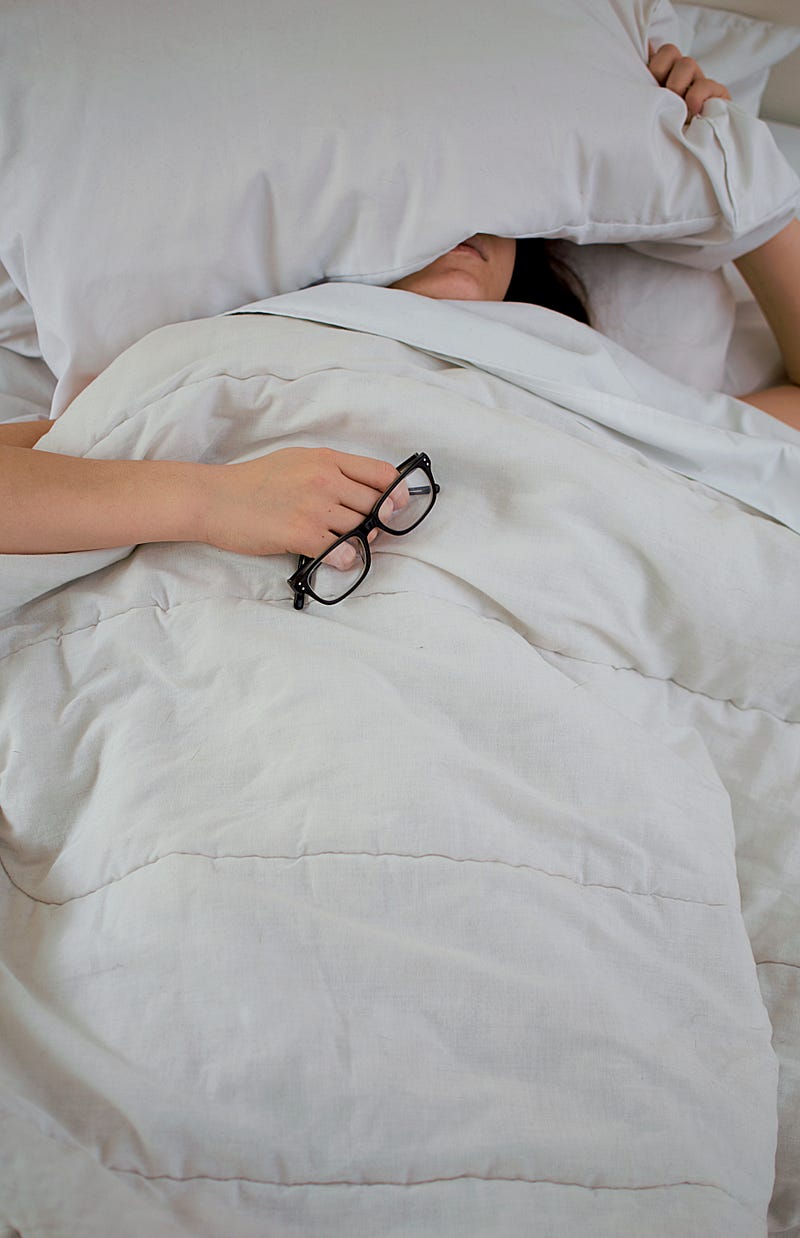
Somehow I completed my shift but my mind was racing. I left at the end of the day went home in distress to shower, bed and social distance. I told my family I suspect COVID-19 and began to self-quarantine.
The next day Sunday, I stayed in my bed, felling lethargic and continuously secluded myself from my family who at this time were petrified. My mom is 73 years old. I remain in seclusion with Tylenol for the headache.
On Monday about 03:00 am I texted my boss aka the employee health nurse that I needed a COVID test ASAP and listed my symptoms.
I met my boss at 08:30 a.m. and by 18:00 hours I had a diagnosis — COVID-19 positive.
Although I had suspected I may have the virus, the confirming words were akin to life-ending daggers through my heart. That diagnosis uploaded horrors directly from Hades directly to my mind. I began to hyperventilate and my mind played my end before my very eyes.
I was scared!!!
It has been eight days now since I have been home under strict quarantine for COVID-19. I have been eating but the pleasure of food is currently not there. I cannot smell and the only taste I perceive is bitter. I have tried various taste and smells on differing days — nothing, nada, zilch thus far!
I never recorded a fever or a cough.
Reflecting back on the pounding headaches, nasal stuffiness and pain with movement of my eyes I believe the acute inflammatory processes were occurring in the area of my sinuses. The olfactory nerve aka Cranial Nerve One (CN1) is the nerve responsible for our sense of smell. This nerve is not connected to the brainstem but it receives and relays sensory information to the central nervous system. It is the shortest nerve in the human head and originates in the mucous membrane in our nostrils.
Our nasal cavity contains millions of tiny receptors. When air particles enters your nasal cavity, they interact with these receptors on the olfactory nerve and the olfactory epithelium. These impulses are then sent from the olfactory bulb to the brain for interpretation.
Anosmia, what it is
Anosmia is the total loss of the sense of smell. It can be caused by infection, blockage, or head injury.
How do we get anosmia?
The most common condition to impact the olfactory nerve is the common cold, but other viral illnesses can have the same effect.
It can occur as a result of nasal congestion within your sinuses, this can then result in a lowered ability to smell. Your ability to smell may return after the congestion clears up.
Post-viral olfactory loss (PVOL) and its correlation to COVID-19 is currently being researched but it is not yet understood, but researchers suspect certain viruses — including common colds and influenza— somehow damage the mucous membrane and the olfactory epithelium.
Ageusia
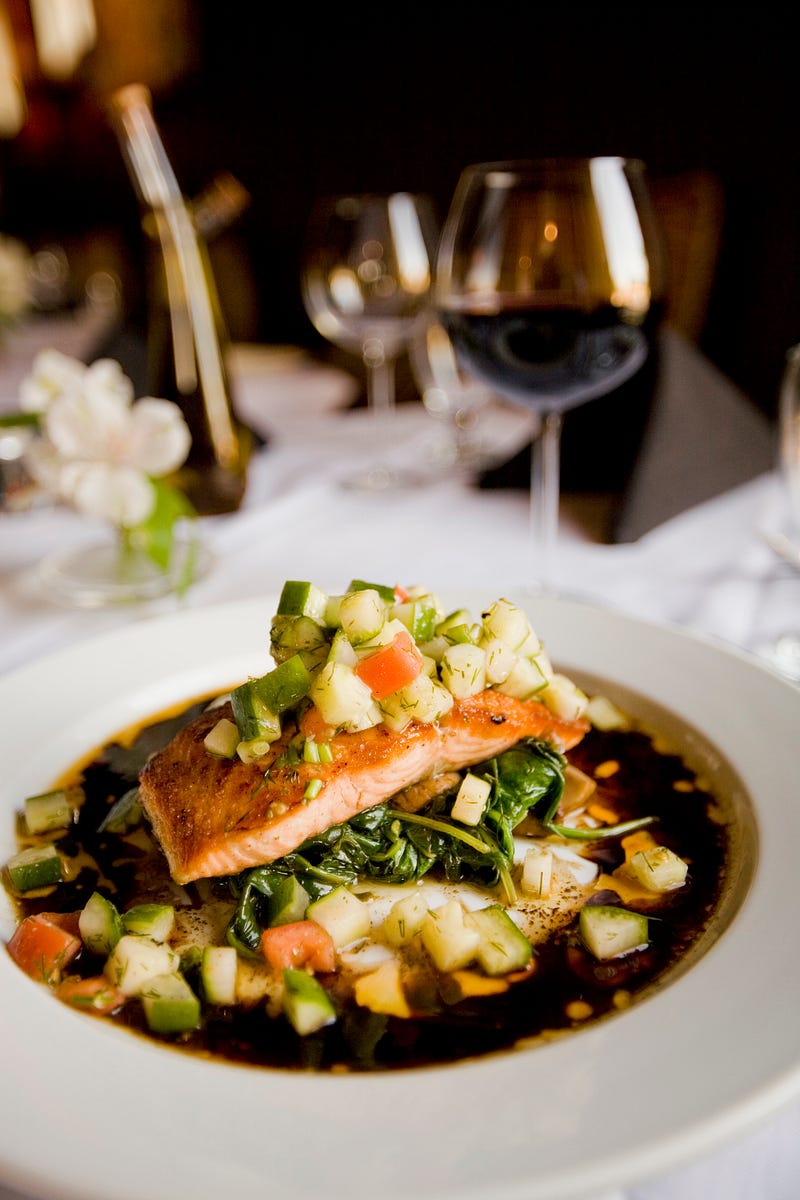
Ageusia is the complete absence of taste. Many illness such as cold or flu, sinus infection, and allergies can result in a loss of taste. COVID-19 is also being further explored for its link to the loss of taste and smell.
Cranial nerves VII, IX and X in conjunction with the thalamus and the primary gustatory cortex are responsible for the sense of taste. Many pathways and processes are involved from the initial stimuli to the perception and recognition of a particular taste. One thing is certain COVID-19 has somehow inflamed these nerves to the point where the impulses are interrupted and unable to be processed.
I am able to process bitter and the pathway to this taste is on the tongue and seems to somehow withstand the manipulation and inflammatory phase of the COVID-19 virus.
To date I am still unable to smell. I have a constant headache or pressure in the head each day. I often feel dizzy, lethargic and unsure of myself and would not venture outside except to my backyard for fear of falling or passing out. The strength I possessed two weeks ago remains a thing of the past and I await anxiously the return of my physical body complete with my sense of smell and taste so that I am able to return to normal I know I can be.


