
What if the South Had Won the American Civil War?
A parallel universe where the Confederate states of America achieve independence
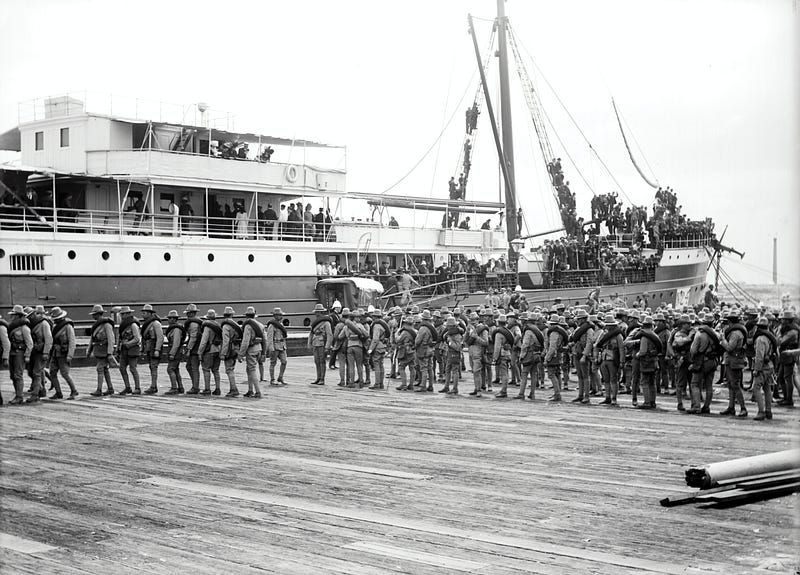
The American Civil War — a conflict that spanned 1861 to 1865 — is a notably impactful chapter in the history of the United States. It was a struggle marked by ideological, political, and economic differences between the Northern and Southern states — primarily over the institution of slavery and states’ rights.
The Northern States — known collectively as the Union — were industrial and free, while the Southern states — the Confederacy — were agrarian and slave-owning. These vast differences sparked a bloody conflict that resulted in around 640,000 casualties, the highest number in any American war to date.
The war concluded with the Union’s victory, leading to the preservation of the United States and the abolition of slavery. But what if this sequence of events had taken a different course? What if, in an alternate timeline, the South had won the Civil War?
The Possibility of a Southern Victory
If the Confederacy had won, the course of its future would hinge on two key factors: peace negotiations with the Union and the war’s extent. The South, being smaller and less developed, would likely have managed a successful existence only if the Union had conceded defeat. In this alternative timeline, such a scenario could have unfolded, leading to a treaty between the North and the South.
An early Southern victory could have meant that relations with the North were partially severed. As separate nations, both could have maintained trade relationships. Just as Northern textiles relied on Southern cotton in our timeline, this economic relationship could have continued, making the South prosperous for a while.
A key consideration in this alternate timeline is the fate of slavery. While it was integral to Southern economics and social hierarchy, external pressures could have hastened its demise. The increased industrialization reduced economic profit, and the need to compete with Western nations could have spurred changes in the South’s societal structure. However, even if slavery were abolished, that wouldn’t necessarily have translated into equal rights for the African American population, leading to complex social and political dynamics.
The Impact of Peace Negotiations and the Size of the Conflict
The nature of the peace negotiations with the Union would have played a critical role in shaping the South’s future. If the Union had chosen to accept defeat and negotiate terms of peace, it could have made the South’s road to independence smoother. The possibility of such negotiations was somewhat outlandish, considering figures in the North were willing to consider this path.
George McClellan was an example of a key figure who might have been open to negotiations. In our timeline, McClellan served as a Union General before transitioning into politics and running as a presidential candidate. He expressed willingness to initiate peace talks with the South, suggesting that an alternative scenario where this occurred might not have been too far-fetched.


The conflict’s size and duration would have significantly impacted the post-war relationship between the North and the South. If the Confederacy had secured victory early on, the resulting bitterness and animosity between the two regions might have been less intense. As a result, the relationship could have normalized more quickly, which would lead to a situation where both nations coexisted peacefully and even traded with one another.
The independent South might have maintained an economic relationship with the North in this alternate timeline. The North’s textile industry relied heavily on Southern cotton, a trade dynamic that could have been preserved even if the South and North were separate entities. The continued economic interdependence between the two could have led to a scenario where the South enjoyed prosperity, and the North had a reliable source of cotton for its textile industry.
Economic Relations and The Continuation of Slavery
One of the most significant social and economic aspects to consider in this alternate timeline is the continuation of slavery. The institution was a deeply ingrained part of Southern society and the backbone of its agricultural economy. The election of Abraham Lincoln and the threat it posed to this economic structure was the primary reason the South seceded from the Union in the first place.
While it is feasible that slavery might have continued initially, it is also likely that external pressures could have eventually led to its abolition. The increasing anti-slavery sentiment in Europe and the North could have resulted in boycotts of Southern cotton, compelling the Confederacy to rethink its stance on the matter. Similarly to South Africa’s eventual abandonment of apartheid, the Confederacy could have been slowly ostracized by the international community until it relented and ended the institution of slavery.
The Abolition of Slavery and Its Consequences
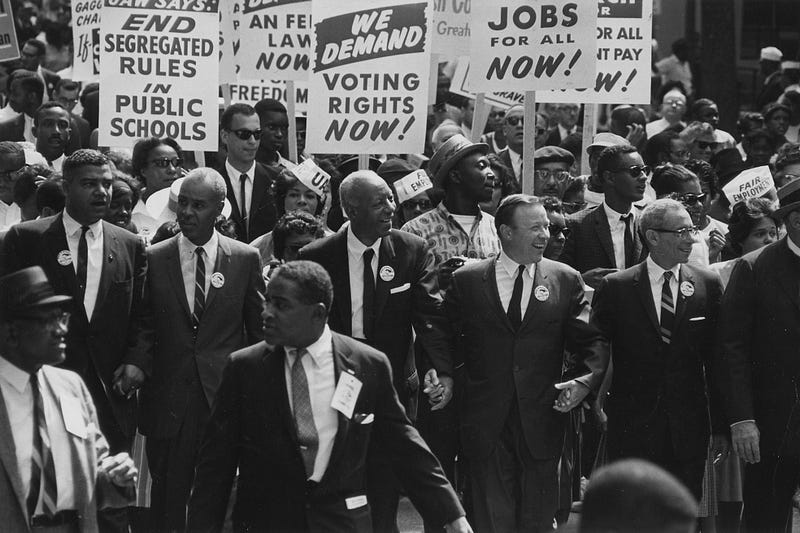
The abolition of slavery would have been a significant step forward but wouldn’t have automatically resulted in racial equality or the end of social unrest. There would likely have been a backlash from Southern whites, who might have feared job competition from formerly enslaved people. This could have led to heightened social tensions and possibly even violence, akin to the racial strife seen during the Civil Rights Movement of the 1960s in our timeline.
_-_NARA_-_542010.jpg)
The end of slavery and the subsequent societal change could have given rise to resistance groups. The parallels from our timeline show that groups similar to the Ku Klux Klan could have emerged — protesting not just against the government’s anti-slavery stance but also against the newly freed African American population.
Despite the abolition of slavery, the newly freed African American population might not have been granted equal rights or political representation immediately. Taking into consideration the significant African American people in the Confederacy — almost half in some states — a non-democratic government might have been installed to prevent them from gaining political power. This situation could have resulted in a government similar to the apartheid regime of South Africa, garnering support from the white populace but leading to constant unrest, protests, and rebellions.
Political Repercussions in the Union and International Relations
The Confederate victory in this alternate history would have significantly reshaped politics in the Union. The Lincoln administration and the Republican Party, in particular, might have faced severe backlash for failing to preserve the Union. In the face of such a monumental loss — the capital of the United States -which was initially chosen for its symbolic position between the North and South, could have been relocated further north to cities such as New York or Philadelphia.
Such a significant event in the nation’s history would have also altered the concept of American identity. Prior to the Civil War, citizens tended to identify more with their states than the nation. The war’s outcome unified the country in our timeline, but a Confederate victory would have made this unity challenging to achieve. The success of secession could have set a precedent, leading to a more fragmented concept of American identity.
The Confederacy and the Union as separate nations; their interactions on the international stage would have been markedly different. Likely maintaining a status of rivals for some time, the potential for border conflicts, especially in the West and the Great Plains, could have led to occasional skirmishes. Moreover, each nation would have to juggle its regional competition while managing relationships with foreign powers.
Confederate Expansion and Industrial Revolution
As an independent nation victorious in the Civil War, they might have set their sights on Latin America’s fertile and resource-rich lands. This drive for expansion would have been fueled by their need to secure more land for their predominantly agricultural economy. The historical records also suggest the Confederacy’s interest in the destabilization efforts in Mexico, indicating an ambition for influence in the region.
The expansion of the Confederacy into Latin America would have been more complex. They would likely have faced resistance from the region’s local populations and existing colonial powers. Despite being a separate entity, the North could have also opposed the South’s expansionist policies, further straining the relationship between the two nations.

The Confederacy might have been primarily an agricultural society, but the onset of the Industrial Revolution would have necessitated a shift toward industrialization. A transition from an agrarian to an industrial economy would have been challenging, requiring significant societal and economic adjustments. It would have been necessary for the South to invest in infrastructure, education, and technology to keep pace with the rapidly industrializing world.
To stay relevant on the global stage, the Confederacy would need to expand its territories and transform its societal and economic structure. Embracing industrialization would mean moving away from their agricultural roots, which were deeply intertwined with their societal identity. Such a shift could have resulted in a profound societal transformation, altering everything from the social hierarchy to economic practices and the way of life for the average Southerner.
The prediction of these outcomes of a Confederate victory in the Civil War is impossible, and the scenarios presented here merely represent one alternate timeline among many. It’s a thought-provoking exercise to analyze these possibilities. How would the world be different if the South had won the Civil War?