avatarDon Martin, real-life writer

Summary

The author describes transitioning from a structured approach to writing (plotting) to a more organic method where the story develops on its own (pantsing), with the process becoming a collaborative effort between the writer and the emerging narrative.

Abstract

The author initially favored a plotting approach to writing, starting with an outline and fleshing out the content systematically. However, as they gained experience, they began to notice stories taking on a life of their own, deviating from the initial plan. This shift led the author to adopt a new technique where they write only the first line and let the story evolve independently. While this "autopilot" method is unconventional and sometimes encounters obstacles, it has proven to be an exciting and potentially easier way for the author to create. The process is likened to a partnership where the story and the writer work together to reach the final draft, and the author remains optimistic about the benefits of this approach.

Opinions

  • The author used to rely heavily on planning and outlining before writing.
  • There is a sense of surprise and discovery as stories began to evolve in unexpected directions.
  • The author now enjoys the unpredictability of writing, allowing the story to lead the way.
  • The process is not without challenges, as stories can sometimes "wreck," requiring joint effort from the author and the story itself to get back on track.
  • Despite the occasional difficulties, the author finds the new method to be effective and less labor-intensive.
  • The author acknowledges the peculiarity of this writing approach but is hopeful about its potential to simplify the writing process.

What if I’m Neither A Plotter Nor A Pantser?

What if after I write the first line, the story turns its back on me and goes where it wants?
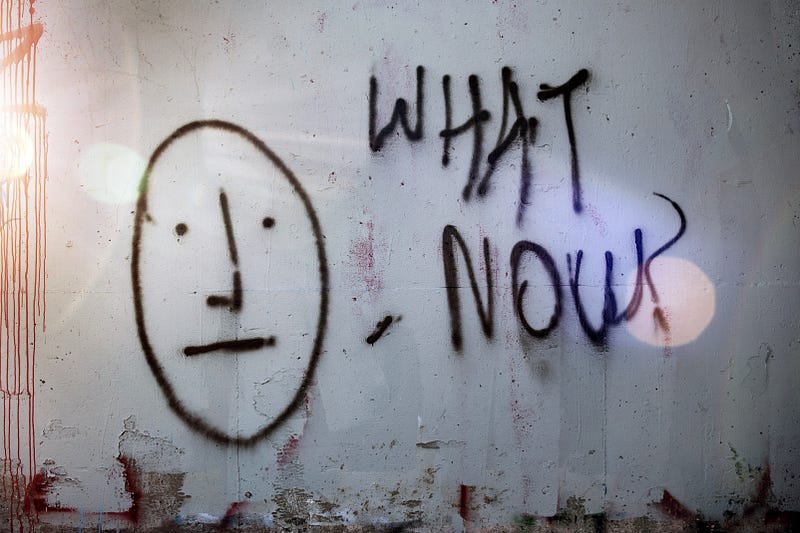
Photo by Tim Mossholder on Unsplash

This is a strange thing I have noticed to be happening more frequently.

I used to be more of a plotter or planner than a pantser. I would start each new article with a quasi-outline and some semblance of direction. I would start with a skeleton, and then go back and fill in some muscle and some fat. I would add until I was happy.

Then, after lots and lots of stories, one of my subsequent skeletons jumped, added its own sinew, and ran off out of sight, not to come back until it was almost finished. And it was nothing like I had originally thought it would be.

As this new phenomenon began to occur more and more, I find myself playing with the process. Where I used to write a couple of thoughts about each new story idea in my writing book, now I just write the first line and set it free.

I am nowhere close to the point of being able to trust it to do all the driving, but a few months ago, I didn’t even know this autopilot existed.

Sometimes the process does hit a snag. Sometimes it gets a wheel off the road and we both just stop and look at the story. One or both of us may pronounce that the story has wrecked. Working together, we can get it back on the road and let it get back to speed.

More times than not it doesn't wreck again, but if it does, we confer again. It sounds quite goofy. Well, it is quite goofy. But if it works the way I think it is, my little autonomous friend may make my job a lot easier.

I may write a couple of first lines, and then go get some sleep.

Illumination
Writing
Light Humor
Writing On Medium
Recommended from ReadMedium