
What I Wish People Had told me After Losing my Brother to Suicide
#1 You never get over it completely
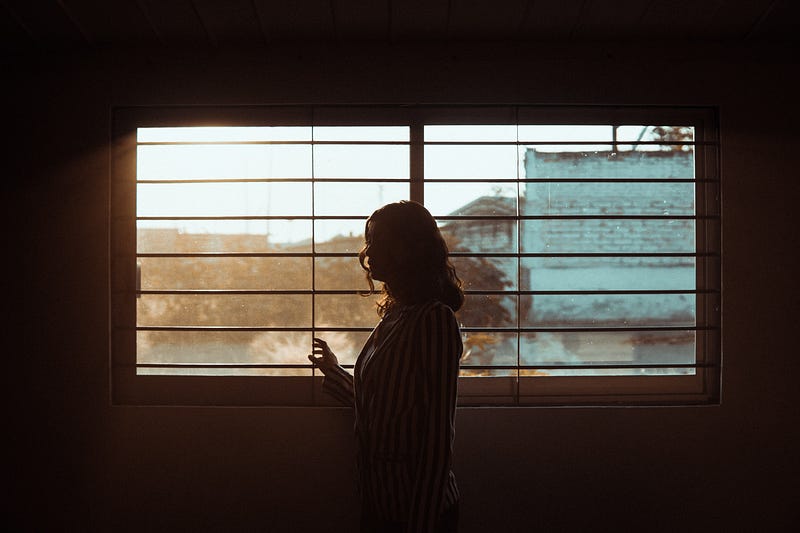
I can still remember the day that I found out my brother had passed away very clearly. It was valentine's day in 2020. I’d just started a new job at a cafe, and we were selling heart-shaped cookies filled with jam in the middle. The news was full to the brim with this suspected new virus we knew nothing about. I remember taking a photograph of the sky that morning I left my house because it was pink. I still have that picture.
It felt like a very ordinary February day until it wasn’t.
It’s been two years since my brother took his own life, and as much as I’d like to say I’m over the worst of it, I don’t think it’s ever possible. Although speaking about what happened no longer brings me to tears or silence, it doesn’t mean it’s ever easier to live with.
Nobody ever knows what to say to somebody when they lose a loved one, and that’s okay — you’re not expected to. However, when it’s suicide, it’s an entirely different matter as the person is left with so many unanswered questions. It’s harder to focus on the ‘good memories’ or comfort yourself with the knowledge it will get easier with time.
It’s been a rough two years, but I finally feel ready to talk about it properly. Here are some of the things I’ve learnt about grief, suicide, loss and coping with change.
The first year is the hardest, but it never gets easy
A month after my brother passed away, the UK was put into lockdown, as were many other places across the world, because of the Covid-19 pandemic. For the first time in my life, I could only leave my house for outdoor exercise or essential visits like going to the shops. I didn’t go to work for a year and a half and barely socialised with people outside of my close family.
You could view this as the worst way to grieve in many ways. But for me, it was the best way I could have gone through it. Because of being chained to my flat, I didn't have to pretend to anyone. I didn’t have to put my best face on and go to work every day or pretend I was okay to work colleagues or friends. I had all that energy to myself, and I used it to process and heal on my own.
I’m a quiet person and somebody who keeps my inner feelings to themselves. It can be hard for me to break down those walls. In the early days, I had to tell people to stop messaging me and asking if I was okay. I couldn’t cope with that stress, combined with the many emotions that came with losing a brother to suicide. It was too much. I had to be left alone, and I craved solitude. Lockdown gave me that. I don’t know if I would have coped the same without it.
Grief does come in waves and manifests itself in different ways, but one thing is certain — it’s always there. Even when you think you’re over the worst of it — a little thing can take you back to those first moments and the intensity of feelings you felt.
For me, it was a couple of weeks ago. A song came on at work that was played as part of my brother’s funeral. I was serving a customer at the time, and all of a sudden, my brain went blank, and all I could think about was him being carried into this song. I felt my eyes prickle with tears but desperately didn’t want the customer to see me try, so I managed to plough through.
Those coming days after, my mind was once again consumed with all the unanswered questions I had at the beginning and all the pain that comes with that. With every passing year, you’ll remember the day and time they died without having to mark it on a calendar, and every birthday will feel like a year they should have had. Those two days every year will never be the same. And that’s something you have to live with.
Death from a long-fought illness or old age is more conclusive than suicide. It’s still tough to come to terms with, but it has fewer unanswered questions and what-ifs. When you lose someone to suicide who was in their 20s, you’re always asking yourself questions you will never know the answers to. In that sense, the loss never really gets easier.
Tying up the loose ends of somebody’s life takes a huge amount of time
My brother wasn’t married, and due to us both having no contact with our birth parents or family, I was named the next of kin and faced the task of sorting out all of his financial affairs. I was twenty-two at the time and could barely work out my own taxes, let alone know how to negotiate with banks, employers, or pension companies.
It was a lot to deal with during a time when communication lines were slower, and nobody could meet in person. Everything took so much longer than it should have done due to being in a pandemic. And over two years on, I’m still filling out forms and trying to tie everything together. Nothing is sorted yet, which is incredibly frustrating.
I can only imagine how much longer everything takes the more years you have been alive.
In the beginning, I had no idea where to start. I didn’t know if I needed a solicitor and, if so, how to get one. I had no idea how to communicate with banks or who needed a copy of the death certificate. I didn’t even know my own rights in it all. It was a huge learning curve for me in the short moments after I was still in the darkest stages of grief.
What you need to do as a next of kin should be taught at school, alongside learning about banking, taxes, bills, and how to buy a house. I managed to muddle through with the help of some adults in my life, but it would have been a lot easier if I knew roughly how to get from a-b and just how long the process would take.
You will always feel a certain amount of regret
In the early days, this was what I struggled with the most. I tortured myself over never replying to my brother’s last messages and not meeting up again sooner. I regretted all the plans I had cancelled and not making the most of the time we could have spent together. I regret not having formed a closer bond and how much we could have been best friends — if only we’d had more time.
As the months drift on, this regret never goes away. Every time I look at a photo of my brother, the energy he radiates reminds me of what an amazing person he was and what a force of life he contained. This, in turn, reminds me of how much more he had to give and how much life he had left to live. He had already started to make a mark on the world, and it makes me sad that he could never live his life to his full potential.
Although my emotions about his death are still there, they are more subtle. I felt a deep sadness in the first few months, combined with anger and frustration. Nowadays, this has bled into regret that he didn’t get the chance to live longer and that we didn’t have the time together to become closer. For as long as I live, I know I will be saddled with these feelings. It’s not something you can just shake off but learn to live with.
When a person dies unexpectedly, you always wish you could have done more with them as your time is suddenly cut short. And as each year passes, you are reminded of it more and more.
There will always be more questions than answers
We have the facts, and we know how my brother died, but we don’t know the deeper why. We will never be able to sit down with him and listen to him explain how he felt at that moment. In the first year, I tortured myself with overthinking and trying to understand why he did what he did. I kept going round in circles and never came to an answer.
And then the inquest came around in 2021, and although I was presented with the facts as to how and why he died, I still had so many questions I wish I could have asked him.
These will never go away completely, but I hope they become more muted in the back of my mind as life inevitably goes on.
There’s never a right thing to say to somebody who has lost a loved one, let alone to suicide. There will never be the right words. But knowing I will never fully be over it helped me come to terms with everything. I didn’t place these heavy expectations on myself to be happy and okay after the first year; and instead, and allowed myself to accept everything for what it was and take each day as it comes. In reality, that’s all you can do.
💡Did you like this story? Why not take out a $5 Medium membership using my referral link. Doing so will enable you to support me and many other writers.