
What I learned from the book: Kubernetes Best Practices
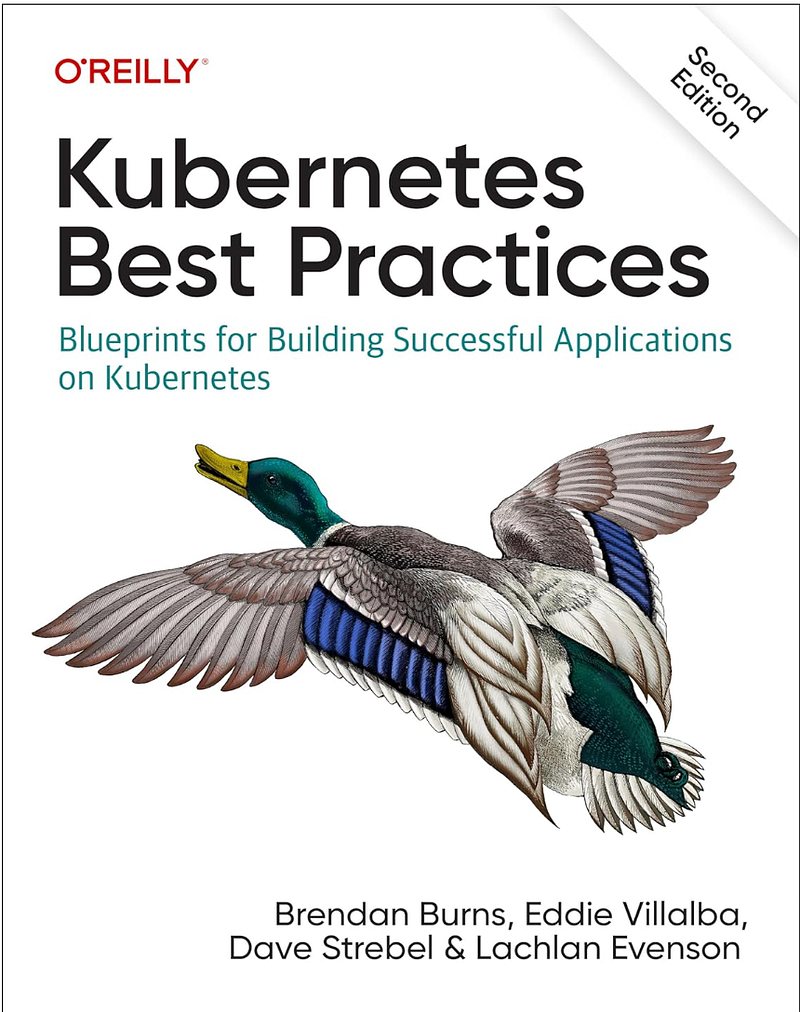
I recently read the book “ Kubernetes Best Practices” by Brendan Burns, Eddie Villalba, Dave Strebel, Lachlan Evenson, and this is my review of the book.
From this book, you’ll learn exactly what you need to know to build your best app with Kubernetes the first time.
- Set up and develop applications in Kubernetes
- Learn patterns for monitoring, securing your systems, and managing upgrades, rollouts, and rollbacks
- Integrate services and legacy applications and develop higher-level platforms on top of Kubernetes
- Run machine learning workloads in Kubernetes
- Ensure pod and container security
- Understand issues that have become increasingly critical to the successful implementation of Kubernetes, such as chaos engineering/testing, GitOps, service mesh, and observability
Get Ready to Master Kubernetes Like a Boss
So, you want to level up your Kubernetes skills? Look no further! This book isn’t your run-of-the-mill beginner’s guide. It assumes you already have the basics down and takes you on a deep dive into the nitty-gritty of deploying applications with Kubernetes. The authors, who are total gurus in the field, spill their secrets and share their wealth of knowledge and experience, giving you a roadmap to navigate the complex Kubernetes ecosystem.
Structured for Epic Success
One of the coolest things about this book is how it’s organized. It’s divided into awesome chapters that cover everything from setting up basic services and developer workflows to monitoring, logging, security, and managing multiple clusters. Each chapter is like a mini-lesson that builds on what you’ve learned before, but you can totally jump straight to the topics that interest you without feeling lost.
Real-Life Wisdom and Killer Code Examples
What makes this book truly awesome is the practical insights and real-world code examples. The authors don’t hold back when it comes to discussing the challenges you’ll face when using Kubernetes in production. They dish out actionable advice and best practices to help you conquer these challenges, and they even throw in code snippets that you can use right away in your own projects.
Keeping It Fresh and Future-Proof
The second edition of this book is bang up to date, covering all the latest Kubernetes features, tools, and changes. It even introduces new chapters on cutting-edge patterns and tools that every Kubernetes pro should know about, like GitOps, service meshes, and chaos engineering. This forward-thinking approach ensures that this book stays relevant in the ever-evolving world of tech.
A Masterclass in Kubernetes Awesomeness
Reading “Kubernetes Best Practices” is like attending a mind-blowing masterclass. The authors’ expertise shines through in every chapter, making even the most complex concepts easy to understand and giving you a clear path to becoming a Kubernetes master. Whether you’re just starting out with your first application or you’re wrangling massive Kubernetes clusters, this book is packed with invaluable insights that will level up your game.
Conclusion
“Kubernetes Best Practices” isn’t just a book; it’s a must-have guide for anyone serious about mastering Kubernetes. It gives you clear, practical advice based on real-life experience, cutting through all the hype. If you wanna build strong, scalable, and efficient applications with Kubernetes, you gotta read this book.
I’d love to hear your thoughts and experiences with Kubernetes in the comments section below. Whether you’re a seasoned pro or just starting out on your cloud-native journey, let’s learn and grow together.
Your Attention Matters! If You’ve Reached This Point, Please Click Follow – I Truly Value Your Support.