
JOB INTERVIEWS
What I Learned from My Simple Interview Mistakes
Rookie mistakes from a current HR professional
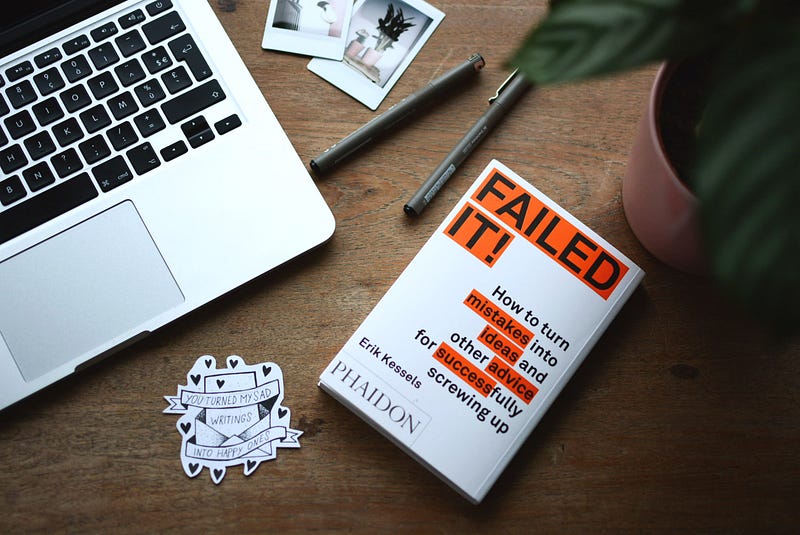
Years ago, I showed up for my interview on a wrong day. As I waited anxiously as another candidate proceeded to interview in my time slot, I fervently checked my email. Well, I was half wrong. The date listed matched, but the weekday listed did not.
As my eyes glazed over my email, I knew if they allowed me to continue interviewing, my typical answer to “What is your strength?” would be laughable. Attention to detail is not a strong answer now!
While my interviews are more polished today, I flopped on my face and learned some difficult lessons from my failed interviews.
1. Observe your interviewer
My confirmation email included details to summarize the results of my assigned project I conducted before the interview. My nerves got the best of me, and my summary eventually unfolded as a long-winded answer. The professional in me now would recognize the interviewer’s urgency to wrap up the question and move on to his next one. But I kept talking and ignored his bored expression, folded arms, and his quick “okay”, or “Mhmm”, responses.
As I received the inevitable rejection email, I reflected on my interactions with the interviewer. His body language and uninterested responses that should have screamed “I got the message, you can stop talking now!”
The experience contrasted with my successful interviews where I observed my interviewer’s responses. One of the hiring managers I interviewed with often interjected with follow up questions, and I adjusted my responses to a conversational style.
Another hiring manager interviewed me with rapid-fire technical questions that started to feel like an interrogation. I tailored my responses to be straightforward, answering the question to demonstrate my expertise. If I didn’t know the answer immediately, I outlined my problem-solving approach or resources I would utilize.
2. Don’t be super early.
With the interview located downtown, I parked in a random parking lot and a parking enforcement officer knocked on my window as I started rehearsing interview questions. Noticing my frustration and nervousness, he graciously allowed me to park there and offered words of encouragement for my interview.
I figured, well now that I’ve situated my parking, I might as well find the office! When the Receptionist is confused about which candidate you are 45 minutes early, this is another red flag.
Arriving late to an interview is equivalent to a terrible first impression. On the flipside, arriving painstakingly early doesn’t do wonders either.
I spoke with my peers about my mistakes and shared my experiences. I learned the other options: driving to the interview location on a different day, waiting in your car, arriving five to ten minutes before the interview, or announcing your arrival but stepping out for a coffee. All viable alternatives!
3. Ask enough follow up questions
I’m a planner. I usually plan three follow-up interview questions ahead of time. This helps account for my nerves and for me to stay on script. But I failed to adjust my questions. While the company I interviewed with prescreened me, my minimal experience and underqualified work history eventually emerged. Upon more questioning, the hiring panel realized I had little experience with benefits administration or answering any technical employee questions. My laser-focused 3 follow up questions didn’t convey my passion and willingness to learn what I didn’t know. When the interviewer responded “That’s all the questions you have? Are you sure?” I should have taken the hint.
Now, I arrive at the interview equipped with multiple questions to ask the interviewers. I inquire more about the company to illustrate my passion and dig into the job specifics to set myself up as the ideal candidate for the role. Some of my favorites include “How would you describe the company culture?” to “What are the expectations for an employee in this role at the 90-day mark? What metrics would be used to determine an employee’s success?”
I learned a valuable lesson from each mistake I made during these failed interviews. Luckily, I never repeated the same mistake. At the time, I struggled to see the silver lining in my failures and remained critical of my mistakes.
But with more interviews under my belt, the mistakes simply transition to learning lessons. My rookie mistakes also serve as a reminder to offer some grace to the candidates as they arrive anxiously waiting to shake my hand.