
What I do, and Why?
Just a little peek at what makes me tick
When I say to people that I am a geologist, they often picture someone down underground in a mine. Or possibly digging up old cities (sorry people, that’s an archeologist). Or walking through the bush in sweat-stained clothes and carrying a hammer. OK, that last bit was accurate.
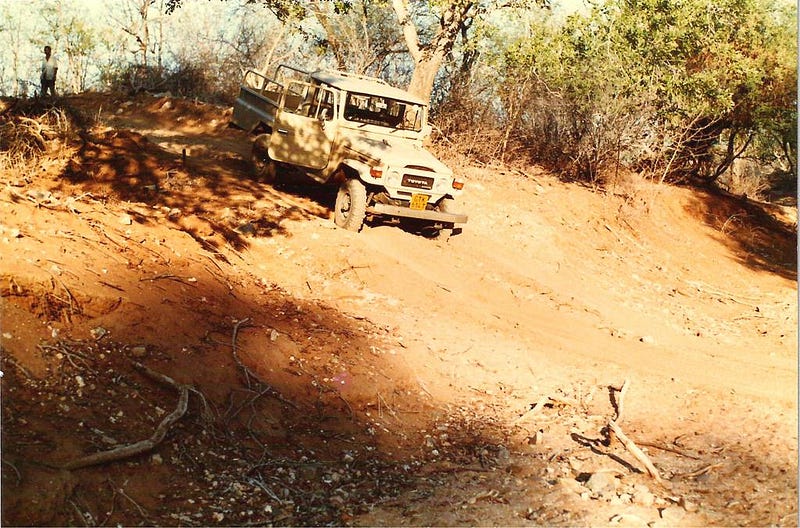
The reality today is that I spend almost all my time pounding on a keyboard, not on rocks. I haven’t used a geopick for many years. Yes, my career did start in mineral exploration, back in the 80s, but now I have the dubious status of being a “consultant”. This is a species of animal often described as someone who you pay to look at your own watch to tell you what the time is.
When working on some donor-funded projects, contracts often refer to us as experts, which is a term I detest.
The word “expert” contains two parts: “Ex”, which means “has-been” and “spurt”, which describes a drip under pressure. I’d rather be called a consultant.
So, for the past 17 years or so, I have been advising various governments and institutions on mining sector governance. Essentially how to take better care of the resources in their country, how to be more responsible and thorough in overseeing what mining companies do, and so on.
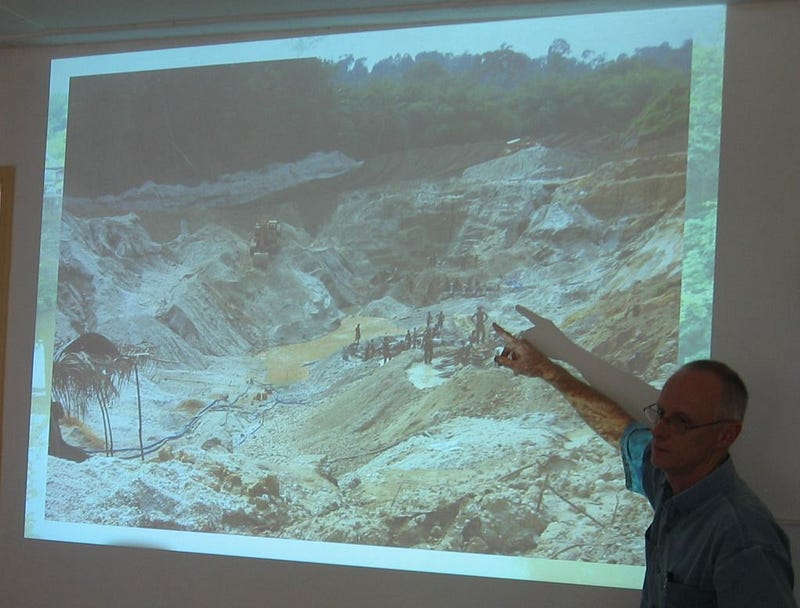
This doesn’t mean that I’ve been converted into a rabid anti-mining advocate. On the contrary, we all need mining to survive, even if we are going to get much better at recycling, which we certainly should!
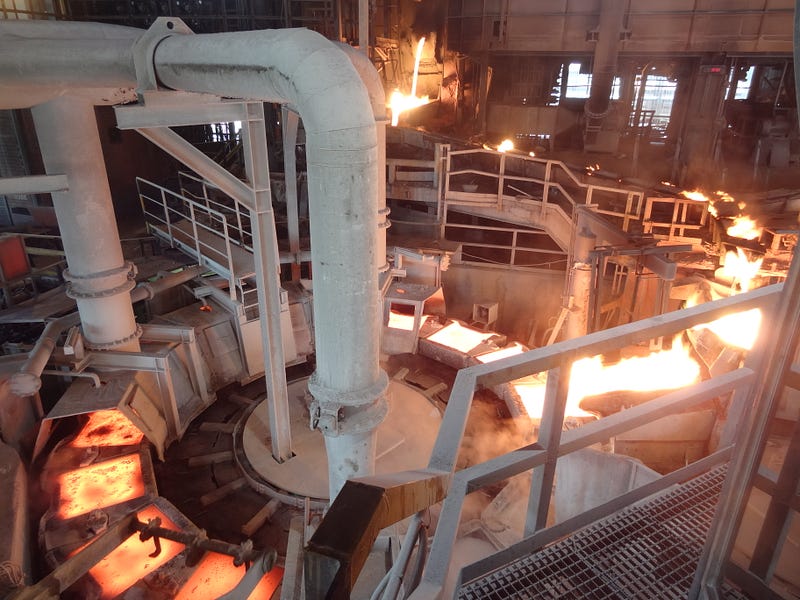
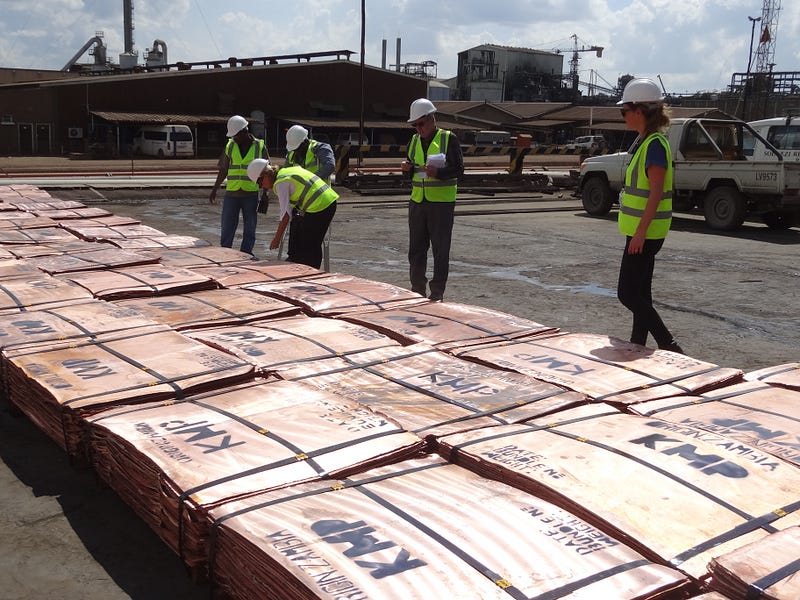
Just in case you are remotely interested in how a brown rock becomes a sheet of red copper, and what is involved, I’ll write a little summary in layman's terms, one day. The short version: It takes a tremendous amount of long-term investment, lots of technology, skill and effort.
Why do I do it?
The most obvious answer, whatever people may say, is that we all need to work so that we can eat. Yes, and even have a beer or two!
But I also want to do something that is useful and creates some value for the rest of humanity. I wouldn’t have been able to become a lawyer or an accountant or a doctor, something that humanity should be deeply grateful for!
For most of my working life, my jobs have required travel to lots of countries, using the experience gained in one place as background for the next job. What’s not to like?
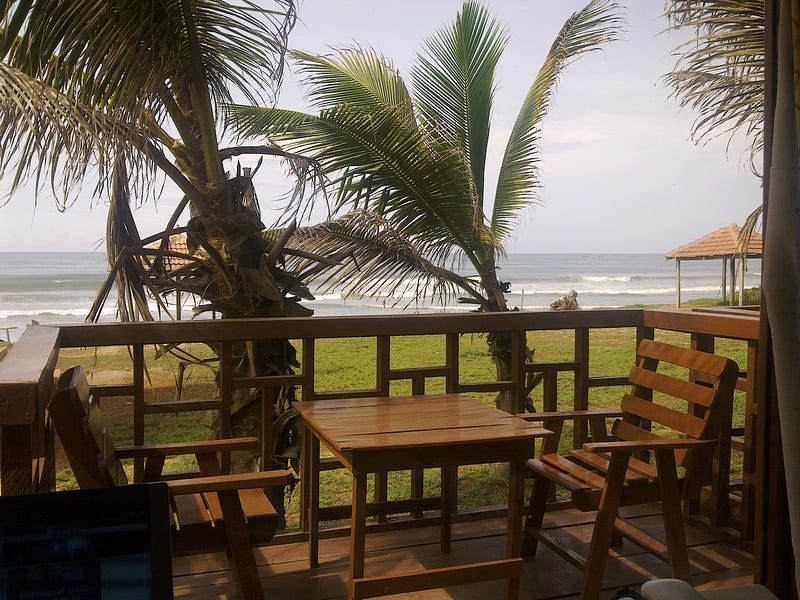
But why mining sector governance, you may ask? Even if you’re not going to ask, I’ll tell you anyway:
Unless we all want to go back to living in caves, we should accept that our lives, our actual survival, require us to use the resources provided by this planet. (Actually, even when we were still hunter-gatherers in the stone age, living in those caves, we were already using flints mined from the earth…).
Reduce, re-use, recycle… and rethink?
Yes, we should recycle as much as possible, yes we should also re-use as much as possible, but the only way to really reduce our consumption of energy minerals and metals, would be to reduce the number of … us.
That’s not going to happen anytime soon.
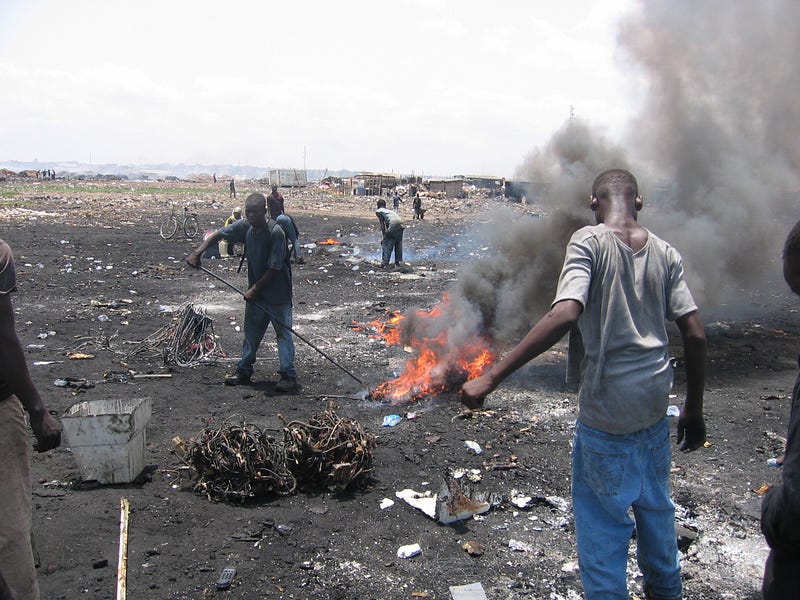
So we need mining, but we should do it as carefully, as responsibly as possible. Governments of countries where mines are located should at least have a grip on the process, should at least ensure minimal environmental harm, and maximal benefit for their citizens. Yes, companies must follow the rules, pay their royalties and taxes, etc. But governments need to know how to set the rules, how to monitor compliance.
Too often such compliance is left up to large multinational mining companies and their stock exchanges in Canada and the UK, etc. It is the mines’ legitimate role to carry out the mining process, many of whom do an excellent job at environmental management and making a positive social impact.
But mine managers were not elected to be leaders in remote parts of the world. That’s a job for governments, that’s why we have democracy. (Well, sort of, anyway.)
So in my work, I try to contribute to that process. And it allows me to travel to fantastic places and taste the beers there!
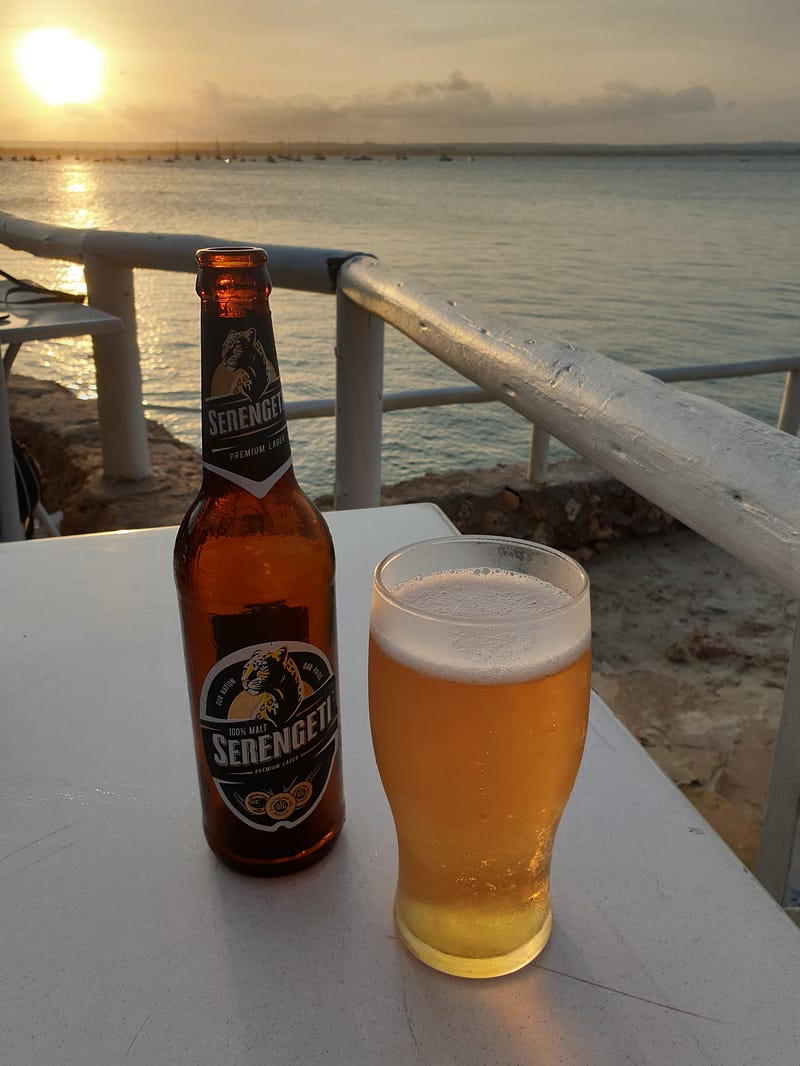
I hope you’ve enjoyed this little peek into my professional life. I know it was more serious than my usual fare, but I trust that some of you were interested enough to read to the end. If you like this kind of stuff, let me know. If not, well, you are also welcome to tell me that, and why.
Read about these other contributors on this platform, and what they say about their own lives and experiences: Anne Bonfert, Anne Harrison, Adrienne Beaumont, Warren Patterson, William House, Dennett, Kim Baker, Randy Runtsch, Susan Alison, KL Simmons, Erika Burkhalter, Sara Burdick, Jillian Amatt - Artistic Voyages, JoAnn Ryan, Christopher Lovelace @ChristopherLovelace, Stephen Reed, Ian Hanson, Janice Macdonald, Dr. Erlijn van Genuchten.