
What I Did with My First NaNo Draft
It was terrible, but it deserved celebration nonetheless.
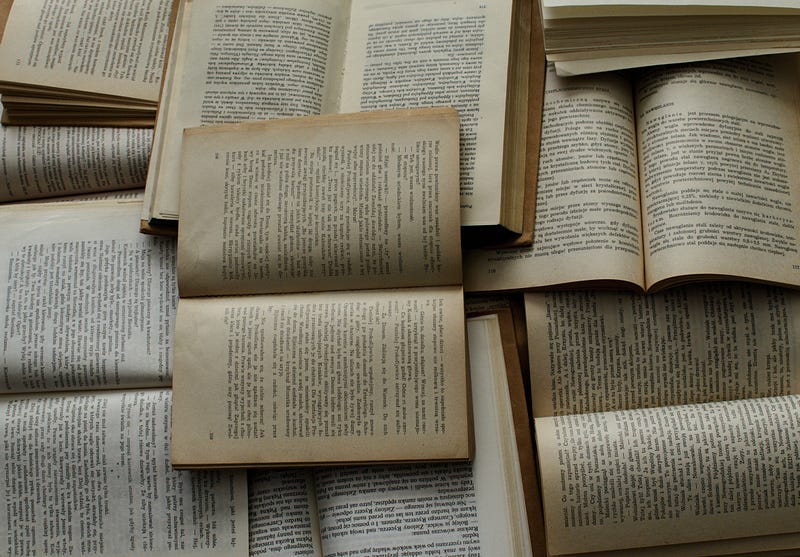
We’re around the halfway point of November, so if you’re interested in writing, you’ve probably seen a multitude of posts about NaNoWriMo by now.
For those who aren’t as familiar, NaNoWriMo is a month-long challenge to write at least 50,000 words during the month of November. The “traditional” NaNoWriMo challenge involves starting a brand new story and bulldozing through the first draft of it, but writers sometimes continue old projects or invent an entirely different challenge for themselves as long as they reach that 50,000-word goal.
I took the plunge last year and achieved my first NaNoWriMo win, which kicked off a renewed love for writing for me. Life got in the way this year, so while I am working to write at least 50,000 words this month, I’m allowing myself the freedom of counting words across all of my various projects, from blogging to my novel to essays for school, rather than pursuing a traditional NaNoWriMo experience again.
I’d be lying if I said I didn’t feel some FOMO every time I saw a post about participating in traditional NaNoWriMo though. I loved how it felt to dig in deeply on a single project from beginning to end. However, I also think it’s better to find a happy balance between writing and the rest of my life so that I never resent the time I spend trying to meet a writing quota. I’m seeking to alleviate some of my FOMO by reflecting on how my NaNoWriMo affected me when I participated in the traditional route, and I hope this gives some of you WriMos motivation to push through the month!
Here is the tale of my first NaNoWriMo and the aftermath of a messy but loveable draft.
My NaNoWriMo Experience
I attempted NaNoWriMo for the first time in November of 2020, and I’m sure most of you can imagine why I had more time to write during that particular year. Being bored and sad during quarantine in the COVID-19 pandemic led me to revisit an old project — a fantasy novel— a few months after lockdown started. It was a story I’d first conjured up in high school, but at the time, it was hardly more than a few vague concepts thrown together. When fall rolled around, I realized NaNoWriMo would be a perfect opportunity to try to write the project from beginning to end.
At that time, it had been several years since I’d done any sort of creative writing, but once I started, it was hard to imagine why I ever stopped. Every day, when I began a writing session, it was hard to pull myself away from my computer. However, I was also in the midst of final projects and final exams, so I did have to skip a couple of days of writing throughout the month. Luckily, by the time that final exam week rolled around in mid to late November, I’d already reached about 45,000 words.
Coming out of finals with the end in sight, I hit the 50,000-word goal at a sprinting pace, writing over 6,000 words on November 27th, the Friday after I completed my last final exam of the semester. After reaching that goal, I took the last few days to wrap up my draft, ending at a bit under 60,000 words.
Celebrating the Win
When November came to an end, I decided to take a few weeks off from working on the novel so that I could come back to it later and edit without being as intimately familiar with the story. I had not fully expected to complete NaNoWriMo, so I thought it an occasion to celebrate.
I designed a simple cover with Canva and placed an order with the Barnes & Noble book printing service to have a hardcover copy printed, all editing notes and comments included. Like with the draft itself, I didn’t bother to make the cover perfect. Instead, my goal was to have something that represented the draft in all of its hacked-together glory.
I highly recommend this to anyone looking for an easy way to commemorate their NaNo experience. For a total of $16 including shipping, plus about an hour of work to create a simple cover and minorly reformat the draft for printing, I got a glimpse of what my draft might become one day.
Reflecting on NaNoWriMo
I didn’t need to wait until I finished the draft to realize that it was a heap of garbage. That’s not to be negative, but there’s also no need to mince words. It was filled with plot problems and the writing style was bland.
Editing & Re-Outlining
That’s not to say that my draft could never become a good story though. Though a month can feel like a long time, NaNoWriMo is a sprint, but the process of writing a book isn’t a rush to the finish line.
Once I finally started to look back over at my draft after my hiatus, I cringed at the many poor decisions I’d made while writing. As a result, after reading through the draft in full, then reading it again to make a round of edits, I realized that what my story needed was not to be made over, but rather to be pulled apart and reconstructed. I spent time working out a new outline and addressing many of the major structural issues. Without the pressure for speed that comes with NaNoWriMo, my goal for the next draft was just to make it all make sense.
Prioritizing Joy
One of the downsides of NaNoWriMo is the intense messaging that you receive once you complete it. For weeks after November came to a close, I received emails about “next steps” for my novel — steps towards publication.
When I tell people that I’m “writing a novel,” I often get asked when it’ll come out. Then, when I reply that I don’t know if I’m going to publish it, the responses are usually something along the lines of:
“I’m sure you can as long as you keep at it.”
While I appreciate that these comments are trying to be encouraging, I reject the idea that the only way to be successful with writing is to be published. I brand myself as a hobbyist writer because it’s important to me, as someone who’s entering a professional field that has nothing to do with writing, not to drown my love of writing with expectations when I’m lucky enough to have writing as a hobby. I acknowledge and respect that many people use NaNoWriMo as the launching pad for their journey to publication, but I also believe that you can do something purely for the joy of it and still find fulfillment out of it, and there's some kind of success in that too.
Status Update
Although my novel now has to share writing time with my blog and I’m no longer grinding out thousands of words a day, my 2020 NaNoWriMo story is still coming along. At the time of writing this blog, I’ve since completed two more drafts, each of which was better than the last, though there’s still plenty of work to be done. I’ve had fun worldbuilding and reorganizing the storylines in the past year, no matter how messy the process gets. I’ve accepted that I may never publish this book, but that hasn’t stopped me from enjoying the process of writing it.
Final Thoughts
NaNoWriMo is an incredibly rewarding experience, and while I can’t participate in it fully this year, I’m so excited to see not only the great drafts that will come out of it, but also the advice, motivational posts, and celebrations from the writing community.
For those of you en route to completing NaNoWriMo this month, I hope that this post can help you think about what comes after November (in the least stressful way possible). I’d love to hear if you’ve found fun ways to commemorate your NaNoWriMo experiences!
Sincerely,
Lindsay