
Travel
What Have the Romans Ever Done for Us?
Finding space: why Rome is still my favourite European city
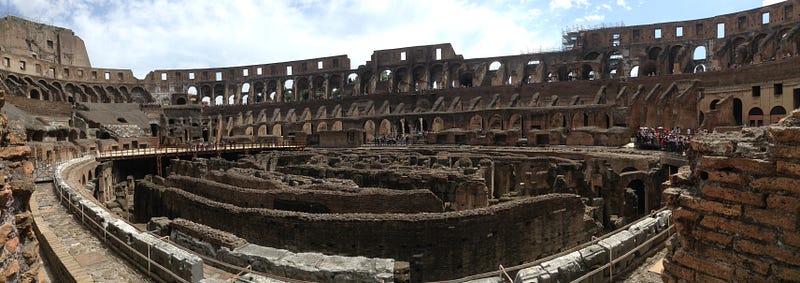
I first visited Rome back in 2015, and it remains my favourite European city to this day.
Mainstream, I know. “What’s your favourite song, Wonderwall?”, I hear you ask.
Well, no (although I do love Oasis). Just hear me out.
I’m a firm believer that Rome’s reputation has suffered because it’s so popular. It’s as though people refuse to judge the city on its merit, so widespread is the knowledge of its undeniable appeal. Sometimes it’s important to take a step back, and to try and refresh one’s perspective.
I often struggle with cities. I don’t understand the appeal of London, living some 90 minutes away from it myself, and I’ve found the energy of big cities a little oppressive at various times in my life.
That wasn’t the case in Rome, though.
Down every street, and round every corner, there’s something to marvel at — some unwavering reminder of what our species has achieved, and how it has evolved.
Sure, it’s a major city, meaning it’s not as undeniably charming or understated as a French town like Lyons-la-Foret, and it’s often rammed with tourists during the warmer months — but neither of things detract from how awe-inspiring its attractions are. It’s grand, it’s imposing, it’s ancient, and — crucially — it’s still here.
Rome’s incredible ability to preserve its aesthetic appeal must be the envy of every beautician on the planet. Not that it’s had facelifts, exactly. There’s just so much of this magnificent city that hasn’t succumbed to the test of time. Exactly why that’s the case is a matter for another article all together, and could easily fill an entire thesis. “Self-healing” concrete may have played a part, but the why here doesn’t really matter; what’s important is that we celebrate it.
Perhaps my views have been influenced by my own perspective, though. After all, I was told before we went to Rome that it was nothing special. I’d bought into the idea that the streets between tourist attractions were dull and dirty, so I hadn’t exactly put the city on a pedestal. Then there’s my history degree to factor in, which almost certainly makes me more open than some to appreciating a destination for its historical significance over other factors. My mind instantly went to the sandaled feet in whose shadows I walked as we first explored the forum, and maybe that’s just not very interesting to some people.
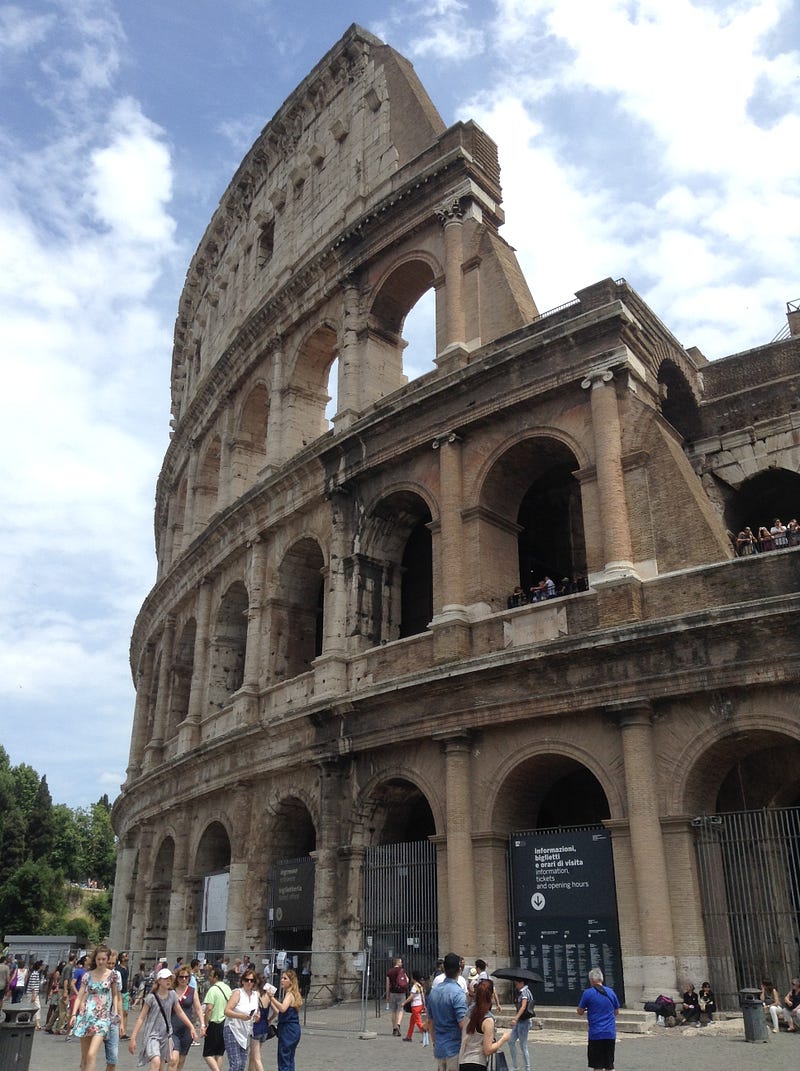
But I find it hard to believe that anyone could spend a couple of days in this place without genuinely marvelling at their surroundings. You can explore the Colosseum, for crying out loud. That’s the actual Roman Colosseum that housed actual gladiatorial showdowns over 2000 years ago. You know, the same one in which Maximus Decimus Meridius (that’s Russel Crowe by the way) fought so heroically during the oppressive regime of Emperor Commodus.
Few historical sites of that size and significance have been so well preserved. The Colosseum should never, under any circumstances, be overlooked.
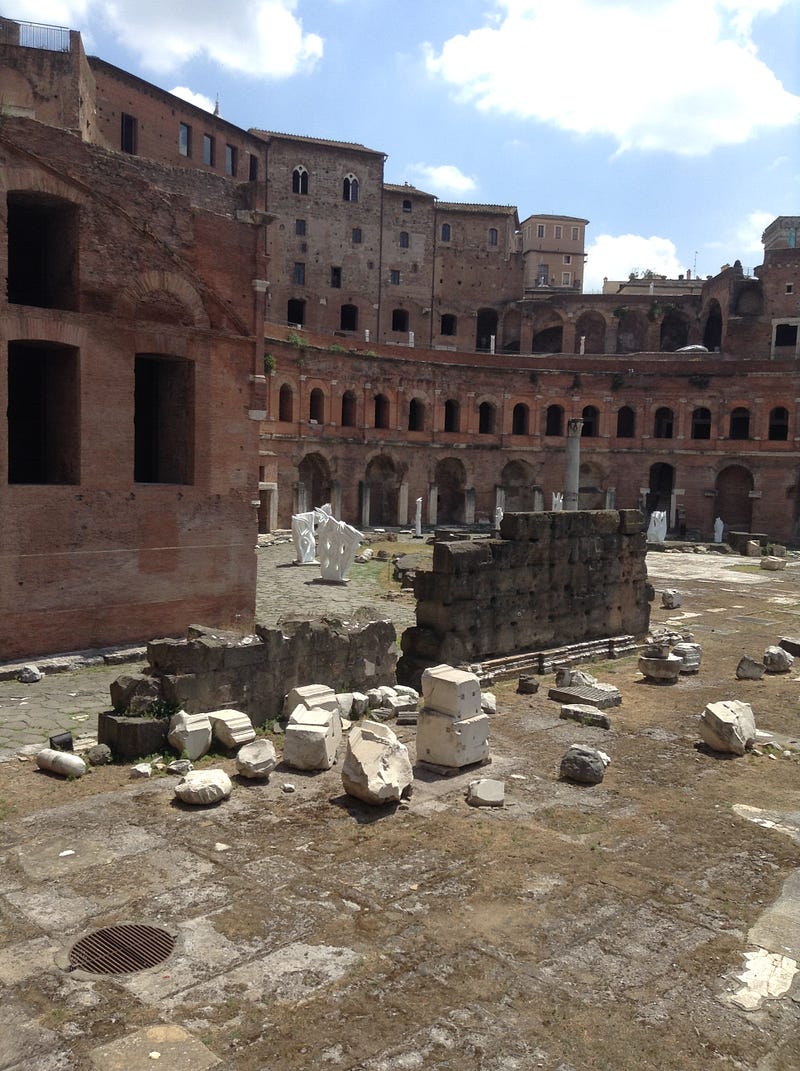
Of course, it’s not all about the Colosseum; arguably the most genuine experience I encountered while strolling through Italy’s capital came in the city’s forum, where infamous emperors won elections and the day-to-day running of the Roman empire took place. There’s less fanfare here than there is at the headline attractions, and visitors are afforded the option to simply wander around just as our predecessors did without notice boards and exhibitions to look at.
We haven’t even touched on the Vatican City yet, which is technically a country — or city state — in its own right. The stunning exterior acts as a massive, conspicuously Catholic signpost for what’s inside St. Peter’s Basilica, and I was captivated by the view from the Via della Conciliazion as we approached this imposing place. Regardless of whether its visitors are Catholic or not, I imagine most would be hard pushed to genuinely turn their noses up at the grandeur and exquisite Renaissance art on display here.
It also blends in seamlessly with the rest of the city, and that’s really a testament to the place itself. In many major cities, the tourist attractions stand out. You can spot them from a mile off, as their surroundings just don’t fit alongside them. While that’s not always a bad thing, the alternative feels like a massive feather in Rome’s cap; while you’re seeing the sites, you really can get lost in the moment. There’s no Gherkin or Shard on the skyline to snap you back into the modern era, nor are there any noticeable signposts from the 60s or 70s that just don’t quite fit in.
It’s all just… well, Rome.
Whatever your interest in history, and whatever your disposition for city breaks vs wilderness treats, Rome has something for you. I’ve rarely found it easy to genuinely connect with cities, such is the manic nature of their hustle and bustle.
But Rome was different.
In Rome, I didn’t have to consciously block out the noise. The tourists and the traffic just faded into a blurry background as my mind drifted back in time.