
What Happens to Your Body After You Quit Drinking Alcohol?
The Benefits of Quitting Alcohol

Quitting alcohol can only have positive effects on your body. Even though there may be withdrawal symptoms, especially for heavy drinkers, in the long run, your body will benefit. It is worth knowing what happens to your body after you quit drinking alcohol.
The majority of adults worldwide consume alcoholic beverages. Even teenagers drink alcohol. It is because alcohol is the most readily available addictive substance. It is also culturally accepted and even considered a food in some cases. Some people say that it also helps maintain health. However, the opposite is true. So it is no wonder that almost a third of frequent drinkers become addicted.
What is alcohol addiction?
Before we learn what happens to your body after you quit drinking alcohol, it is important to know how to recognize the signs of addiction. Alcoholism is a disease. Many people believe that they are not addicted or that they can quit drinking alcohol at any time. However, when they try to quit, they cannot resist the temptation. Even if they realize it is hurting them, they continue to drink. Over time, this condition can lead to mental and physical health problems, as well as social problems.
Doctors assess whether a patient is addicted to alcohol based on certain signs. When the patient can no longer regulate their alcohol intake and has a strong urge to consume, the addiction is already in place. In other words, if you say you’re having “a drink” and you can’t stop, you’re addicted. You may claim to be a casual drinker, but you drink daily. Even at work, you feel the need to drink.
Gradually, alcohol becomes the driver of your life. It becomes the top priority. You continue to drink despite the negative consequences on your health or life. Unfortunately, alcohol does not do immediate harm. On the contrary, the body develops an extraordinary resistance. You feel the need to consume increasing amounts to feel the desired effects. Moreover, you choose alcohol to remove the unpleasant effects of excessive consumption.
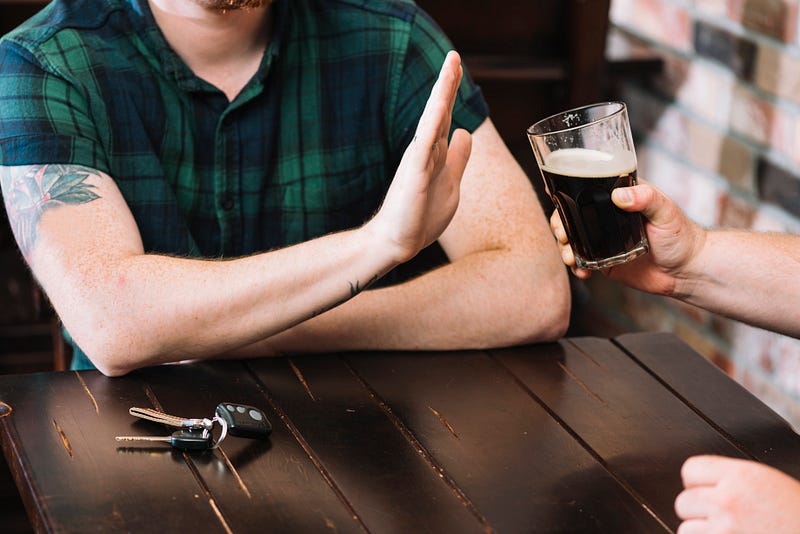
When to take action
When you already feel the need to consume increasing amounts to feel the effects of alcohol, it’s time to raise the alarm. There is no pride in being able to “hold your liquor.” On the contrary, the unwanted physical and mental effects begin to appear. You will notice withdrawal symptoms in the absence of consumption, which disappear miraculously after a drink. Cold sweats, tremors, nausea, general malaise, anxiety, and restlessness are just a few of them.
Alcohol addiction gets worse over time. Even though you’ve heard that a small amount of alcohol daily can have beneficial cardiovascular effects, in the long run, it can lead to memory, concentration, and vision problems. It can also cause stomach, heart disease, brain damage, liver cirrhosis, and even cancer. Additionally, alcohol users significantly increase their risk of death from car accidents, homicide, and suicide. Women’s health suffers even more, even at lower levels of consumption.
Alcohol abuse and alcoholism can worsen depression. Alcohol problems don’t just affect the drinker. They also affect everyone who has to be around them. Moreover, pregnant women who drink alcohol pose a serious risk of fetal impairment.
What is withdrawal and how does it manifest?
Withdrawal can be the first sign of what happens to your body after you quit drinking alcohol. It is the state that occurs when the body no longer receives a substance it has become addicted to. It can be alcohol, caffeine, tobacco, medication, or drugs. The severity of withdrawal varies depending on the length of exposure to the substance, the individual’s health status and age, and their personality. It manifests itself both physically and mentally.
The brain triggers the onset of withdrawal. Sometimes, it can be life-threatening. On average, in 20% of cases, withdrawal is fatal for alcoholics who quit abruptly and without professional help. In general, withdrawal manifests itself through symptoms that are the complete opposite of those triggered by alcohol consumption. For example, if alcohol provides the drinker with a state of calm and relaxation, withdrawal will cause anxiety, tremors, and other unpleasant symptoms.
Sweating, nausea, tremors, rapid pulse, hypertension, fever, and hallucinations may also occur. In rare cases, delirium tremens may be triggered. This involves seizures, hallucinations, disorientation, severe anxiety, and palpitations. The patient needs emergency medical care.
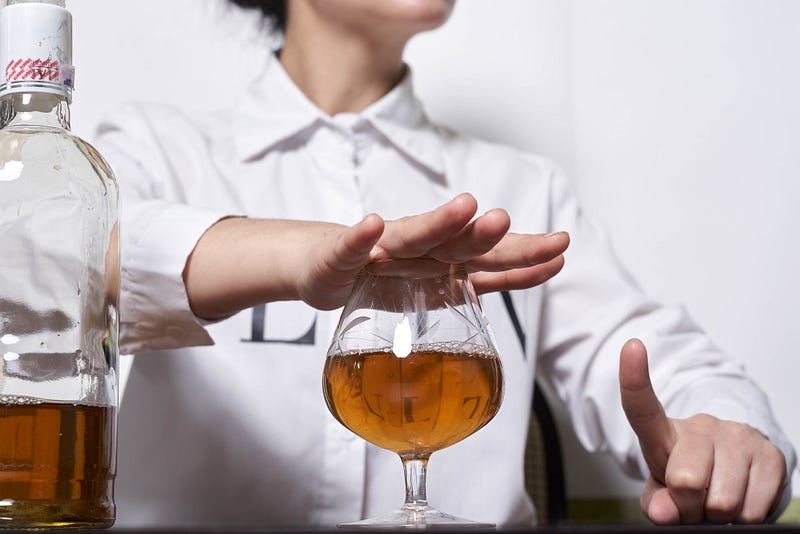
While alcohol withdrawal can start within hours of the last drink, delirium tremens may not start until a few days later and come on suddenly. Patients who go through alcohol withdrawal should drink 2–4 liters of water per day to replace fluids lost through sweating and diarrhea. Multivitamins and especially vitamin B1 (thiamine) supplements are also needed. These help prevent cognitive disorders that may develop.
What happens to your body after you quit drinking alcohol?
In addition to the unpleasant withdrawal symptoms, there are many good things that happen to your body after you quit drinking alcohol. Keri Gans, a registered dietitian nutritionist, media personality, spokesperson, and author of “The Small Change Diet,” quoted by Oprah Daily, believes that the visible benefits vary from person to person.
And they depend on how much you used to drink before taking a break. The Centers for Disease Control and Prevention (CDC) considers moderate alcohol consumption to be one drink per day for women and two drinks per day for men. That means no more than 330 ml of beer per day for ladies and double the amount for gentlemen!
So, what happens to your body after you quit drinking alcohol? Improved memory, increased concentration, reduced risk of depression and anxiety, and a good night’s sleep, as well as weight loss and reduced pressure on the liver, which begins to cleanse itself just one hour after the last drink, are some of the positive effects that are observed quickly. Here are some of the potential benefits of quitting alcohol, according to Keri Gans:
You lose weight
Depending on your habits and initial weight, a one-month break from alcohol can lead to weight loss. If not, at least you won’t feel bloated anymore. Alcohol has empty calories. And it doesn’t offer the same nutrients as those in food.

Therefore, if you give up alcohol and don’t replace it with food, a deficit will automatically be created, leading to weight loss. Additionally, alcohol consumption has a lot to do with eating more than you need. Studies show that alcoholic beverages increase sensitivity to smell, thus stimulating appetite and, consequently, overeating.
You become better hydrated:
As you well know, alcohol dehydrates you. So, by giving it up, you’ll feel the need to drink more water. This way, you have the chance to form a new healthy habit and stay properly hydrated. As soon as you feel the need for an alcoholic drink, reach for a glass of water instead. What happens to your body after you quit drinking alcohol and drink water? You’ll have better digestion, a healthier body, and smoother skin.
You restore your skin’s health:
A break from alcohol can be the missing secret ingredient in your skincare routine. Alcohol can lead to loss of skin elasticity and enlarged pores. Additionally, it can also cause skin inflammation, making it appear red and puffy. Without alcohol, the skin regains its vitality and elasticity.
You sleep well:
Alcohol often has a sedative effect. “It can help a person fall asleep faster,” says Keri Gans. “But the quality of that sleep is not optimal.” The sedative effects of alcohol can wear off and actually lead to a more restless night. Lack of alcohol consumption leads to deeper, longer, and more peaceful sleep.
You help your liver
The liver is one of the most active organs, performing over 500 functions in the human body. When the liver suffers, the whole body suffers. And alcohol is one of the elements that affects it quickly and directly. Fortunately, it is also an organ with a very high regenerative power. And if you give up alcoholic beverages, even for just a month, you can reduce up to 20% of the fat accumulated in the liver.
You boost your immunity
Doctors believe that one of the causes of a weakened immune system is excessive alcohol consumption. It overtaxes the immune system and increases susceptibility to respiratory illnesses. It increases the risk of pneumonia, sepsis, wounds heal more slowly, and increases the risk of postoperative complications. Therefore, by giving up alcohol, you get a more efficient immune system.

You reduce the risk of developing certain types of cancers:
Data presented by the National Cancer Institute in the UK, as well as other research institutions in the field, have shown a clear and direct link between alcohol consumption and certain types of cancer. These include oral cancer, liver cancer, colon cancer, breast cancer, and head and neck cancer. And these risks are significantly reduced simply by giving up alcohol.
You increase your fertility:
A study of women found that those who consumed more than 10 drinks per week were 34% less likely to become pregnant than those who didn’t drink at all. Additionally, sperm quality is also seriously affected by excessive alcohol consumption. So if you’re planning to have children in the near future, it’s a good idea to remove alcohol from your list of leisure activities.
Personal Conclusion:
Quitting alcohol is tough, there’s no doubt about it. But let me tell you, it’s incredibly worth it. It’s never too late to turn things around and become a better version of yourself. With willpower and perseverance, you can break free from the hold alcohol has on your life and begin enjoying a healthier, happier existence.
Why should you quit?
- Improved Health: Reduce your risk of serious diseases, lose weight, sleep better, and feel more energetic.
- Increased Happiness: Minimize depression, anxiety, and stress, improve your focus, and strengthen your memory.
- Stronger Relationships: Foster better understanding with loved ones and make wiser decisions.
- Greater Freedom: Break free from alcohol’s grip and regain control of your life, making healthy choices.
While quitting may seem like a daunting task, it is absolutely possible. There are a multitude of resources available to support you, including support groups, therapy, and counseling. With the right tools and support system in place, you can make a positive change in your life and unlock the door to a healthier and happier you.