
What Happens to Bullies after High School?
Corporate Success? Stardom? Or Prison?
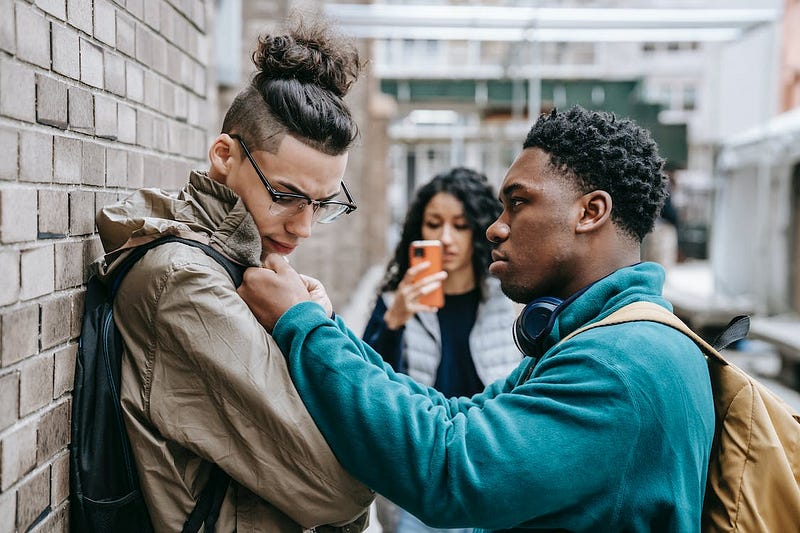
Writer Susie Kearley recently wrote a heartbreaking account of being bullied during high school, which led me to think: who are these aggressive people, what makes them behave like they do, and what becomes of them when they leave high school?
Her article is here:
According to Pacer’s National Bullying Prevention Centre, one in five students is bullied at some time during their time at school, with a higher percentage of male students being physically bullied than female students.
This bullying includes name-calling, being insulted, being the subject of rumours, as well as being pushed, shoved, and spat on. A less obvious form of bullying is being excluded from friendship groups and their activities (such as parties) on purpose. Unfortunately, cyberbullying has become part of school life too.
Pacer’s states that a 2019 Government overview of bullying prevention research reveals that 41% of bullied students consider that their bullying will recur.
My Experience
When I was in Years 5 and 6 at primary school, I was a shy, sensitive, and somewhat nervous boy and I obviously gave out these vibes because, while I had close friends, others saw this as an opportunity to assert themselves without any threat of retaliation.
One example occurred while I was in Year 6, on my daily walk home from school. A boy whom I had known since kindergarten and was also in a group of friends that I was a member of a few years prior to this, appeared next to me on his “dragster” bike (it was the late 1970s, and every second kid had one of these).

The bike looked a lot like this, but the former friend on it was a lot smaller, without the cool, friendly expression.
Looking at me from his vantage point on the bike, he said in a menacing tone: “ Grab a handful of dirt from that garden and tip it onto your head”.
I was stumped by his request, not only because I had been on friendly terms with him previously, but because he was not a member of the “tough kid” group in my Year — he was just an “average kid”.
I found myself reaching into a nearby garden and scooping up a handful of soil. I then paused, looked at him, and threw it onto the ground. I then took off, running away from him as fast as I could, taking a longer way home. To this day, I do not know if he chased me.
The next day, a kid who was not my friend told me that this would-be bully would be waiting for me, to repeat the “treatment”. However, this did not occur, and we did not cross paths again.
Even today, I am not sure why he did this — did he need to feel good about himself?
Pacer identifies the main reasons behind bullying as appearance, race, gender, disability, religion, and sexual orientation. In my case it was the fact that I was not self-confident enough to fight back.
What happens to bullies when they become adults?

Devyne Lloyd at Michigan State University wrote that because childhood bullies can be aggressive, quick to become angry and display hyperactivity and violence, they are more likely to have a criminal record in their early 20s than their victims. According to anti-bullying organisation Utterly Global, a child bully is five times more likely to have a serious criminal record once an adult than their victim.
According to Dr. Eric Storch, professor in the Menninger Department of Psychiatry and Behavioral Sciences at Baylor College of Medicine, although most childhood bullies grow out of their intimidatory ways as they mature, some continue this behaviour into adulthood. This can lead to a range of problems in their workplaces, with lost productivity among their subordinates (when they are promoted into managerial positions) and rejection by their peers, as they are difficult to work with.
As stated by Devyne, adults who were bullies when they were children are, compared to non-bullies, 10 times more likely to lie, 6 times more likely to fight, and 3 times more likely to harass others to get their way.
Dr. Storch says that, in the case of most bullies, their bullying progresses from being physically and verbally aggressive towards their victims as a child to spreading rumours, promoting themselves at work, and gossiping as an adult. They use these methods to put down potential competitors in their quest to achieve career goals.
He lists the impacts of being a victim of a workplace bully to include decreased work performance, sadness, and avoiding workplace functions.
Dealing with Being Bullied as an Adult
Dr. Storch gives a number of tips for approaching a workplace bullying situation:
- Approach the person directly to let them know (professionally) how they are making you feel.
- If you are unable to do this (such as in the case of this person being your direct superior), talk to your business’s human resources department.
- He advises that it is very important to talk to a friend and/or family about this, as they can be supportive.
- He also recommends speaking to a mental health professional, as this can address the emotional distress from this kind of behaviour.
In Conclusion
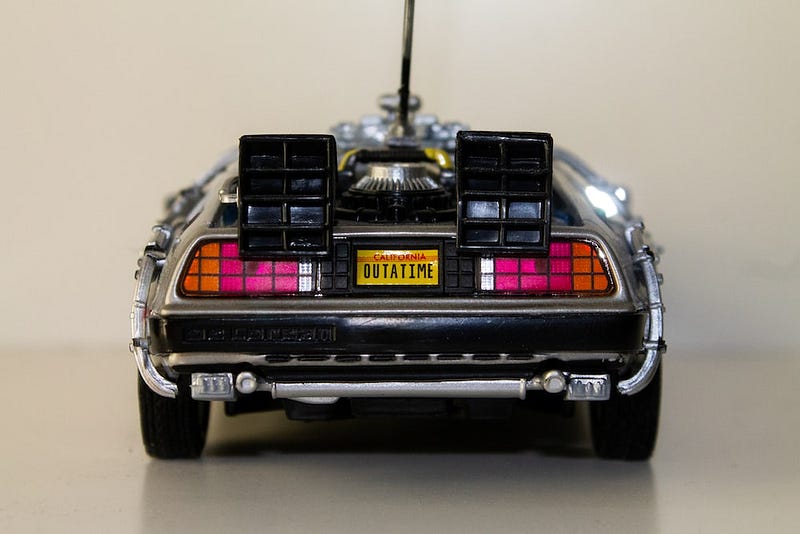
I think that we all know about the adult bully who stole the above time-travelling vehicle, and how he progressed from being a mean schoolyard bully to being a very powerful millionaire bully as an adult. The interesting thing is that he bears a frighteningly uncanny resemblance to a former US President who is facing indictment number three…
If you enjoyed reading this, gain access to more amazing stories by becoming a Medium Member via this link. As a member, part of your $5.00 per month membership fee goes to supporting the amazing writers whose stories you read.


