
What Happened When We Moved To Spain To Find Work During A Pandemic
The dream of 2019 versus the reality of 2021
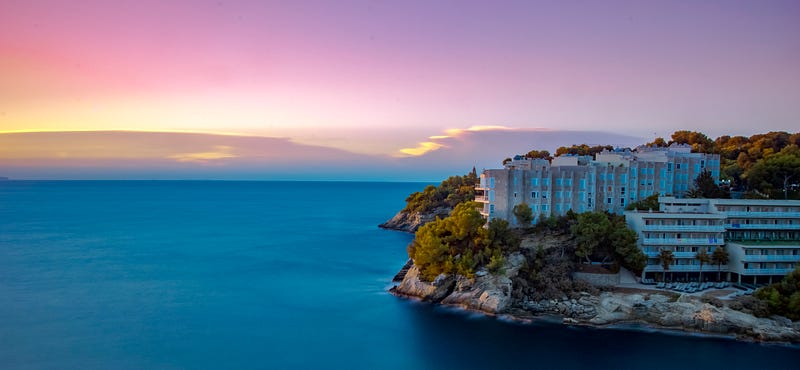
Until summer 2020, I was living fairly happily in Havana, Cuba with my husband and daughter in our own large apartment with a view of the sea. Before the pandemic, I worked in tourism and he as a musician and we made enough money to enjoy life in this safe, beautiful and exhilarating tropical city.
We left Cuba when we looked in our empty fridge and knew the only way to fill it was to brave hours standing in line at a foreign currency stores for the chance to buy the few products available on that day. Then we’d repeat the process the next day, at a different store to buy what they had available. It was exhausting.
Restaurants and bars and public venues were all still closed, beaches were out of bounds, and my daughter was not supposed to go outside due to Covid. Travel around the island was prohibited so we couldn’t see my husband’s family.
Then my country, the UK, decided to put Cuba on the red list for entry, which meant non-Brits like my husband could not come in. We spent a wad of cash, bought last-minute flights and got out just in time.
Three months later, after a summer of getting vaccinated, staying with family and friends and recalibrating (buying groceries on Amazon and having anything we want delivered to us, no lines for food!), we moved to Spain.
Spain has typically been a dream destination for many Brits, as well as travellers from all over the world, looking for a more relaxed lifestyle.
Unfortunately, Brexit has made that a near impossible dream now for many Brits who find themselves no longer in Europe. I was fortunate to have a Dutch mother, giving me the right to a European passport, which I applied for as soon as the disaster called Brexit happened. Thanks, Mum.
The attractions of Spain include warm weather, delicious food, a variety of geographic climates — everything from mountains to beach towns, whitewashed hilltop villages, and farms in the middle of nowhere.
Fiestas and siestas are synonymous with the Spanish lifestyle, and after many years of working here as a tour guide and visiting from the UK, my husband and I had decided it was the right place to settle.
I loved living in Cuba, but we have a young daughter, and with the excellent free education and healthcare system here, no shortages and a halfway decent economy, we decided here was the place.
The fantasy
Beaches, sociable people and lots of street life, sangrias in the early evening, supermarkets full of tasty products, bars with snacks like Spanish tortilla, ideal for when you are peckish, the freedom to visit some many wonderful places with excellent transportation….
Most importantly, a nice, reasonably-priced modern apartment where we could start our Spanish life.
The reality
We moved to the “Siberia” of Spain. The capital of the Basque Country in Northern Spain would be cold, I knew, and not quite fitting in with my long-term apartment-overlooking-the-sea fantasy.
My husband has friends here, who can give him casual work, and so as a place to start our Spanish odyssey it seemed as good a place as anywhere. As a city less used to foreigners moving in, we figured the residency process for my husband would be quicker than the many months it can take in a city like Barcelona.
However, setting up in Spain if you are not an expatriate with a company helping you, is tricky. We didn’t have permanent work contracts to show, nor three months of payslips for highly paid jobs. Nobody wanted to rent to us.
We stayed in an aparthotel for a few days, but it was expensive. We needed an official address with a rental contract to begin all our paperwork.
I had an English teaching job lined up, but they couldn’t give me a contract without a permanent address. Or pay me if I didn’t have an address and a linked bank account. Or employ me if I was not yet resident.
I needed an official address to apply for residency. As a European national, I just needed to apply for a foreigner resident number, then I could work. My husband, as a Cuban national, has to then apply for residency as family of a European national.
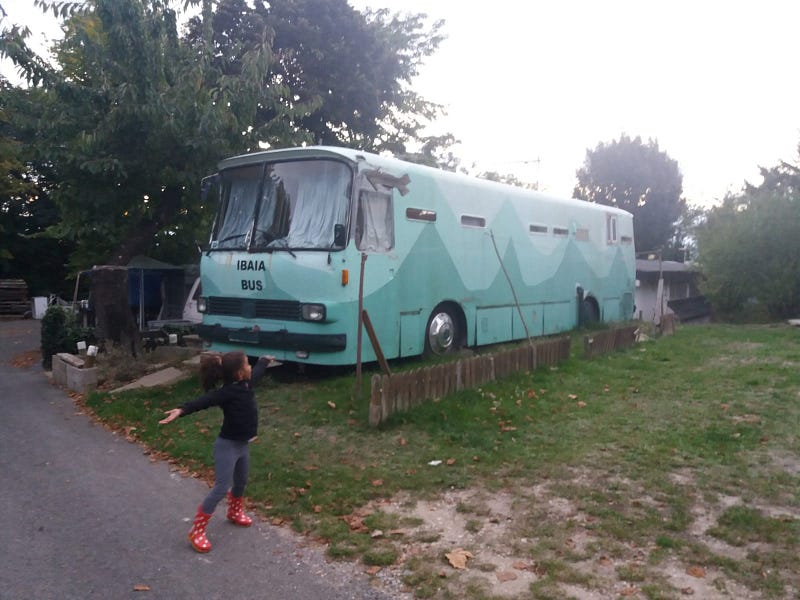
We had to find a place as soon as possible, somewhere that would provide a rental contract. Our only immediate option was the local campsite, where they had a bus available for us. They didn’t require payslips or a permanent work contract.
Getting the Certificado de Empadronamiento
Once you have a contract demonstrating where you live, you can go to the local Civic Centre and register as living in the area. You need this document for almost anything else you are going to do next. This system is the way that the town halls have to know how many people are living in this city, and how much money they will receive from the government. That’s all it is. But it is a basic first step to living in Spain.
To get it, you call a number or go online and book an appointment. (Pre-Covid, I think it was easy enough to just walk in, but now most appointments have to be pre-booked.) Civic centres close at 2pm, so as with many other Spanish paperwork dealings, it’s best to do it in the morning.
You take your passport, your rental contract, and some proof of why you are moving to the area, such as a work contract. Of course, I didn’t have this, as my work needed my NIE (foreigner identity number) and proof I was registered with social security in order to give me a contract.
Back I go to my work to request a letter showing intention to employ me, then another appointment to the Civic Centre to present this document.
This is pretty much how things went from here. I go one place and they need documents that I don’t yet have, so I have to go back and find an alternative document that ticks that box so I can get the document I need. And so on. Confused yet? Just imagine!!!!
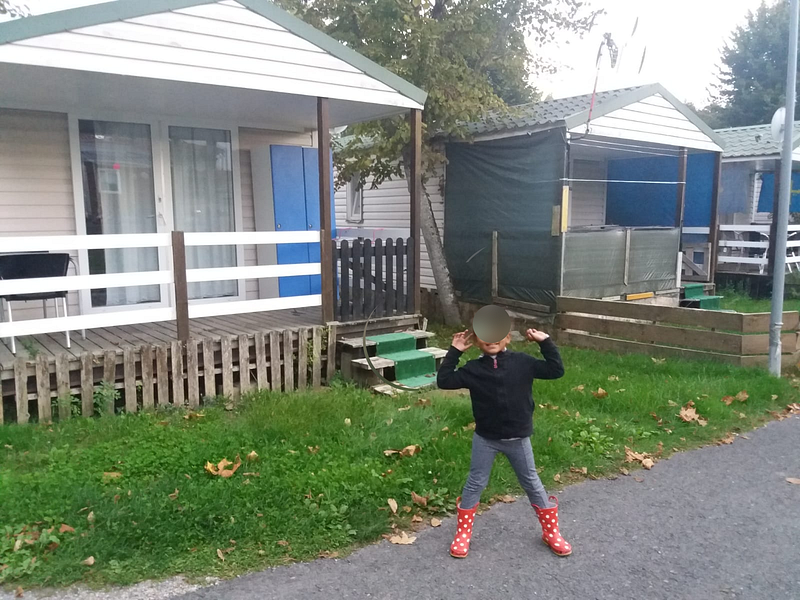
Four months later, we have moved from the bus to the camping bungalow opposite, we are about to buy a used car from my husband’s Cuban cousin (that will be a whole other blog post!), and we escaped to the Mediterranean coast for Christmas, which allowed us to enjoy the sun for a while. We got a little closer to the fantasy picture. Blessings!
Story to be continued……