ENDURANCE RACING
What Happened When I Pushed My Body Past the Breaking Point
The hardest part of pushing your body is knowing when to stop
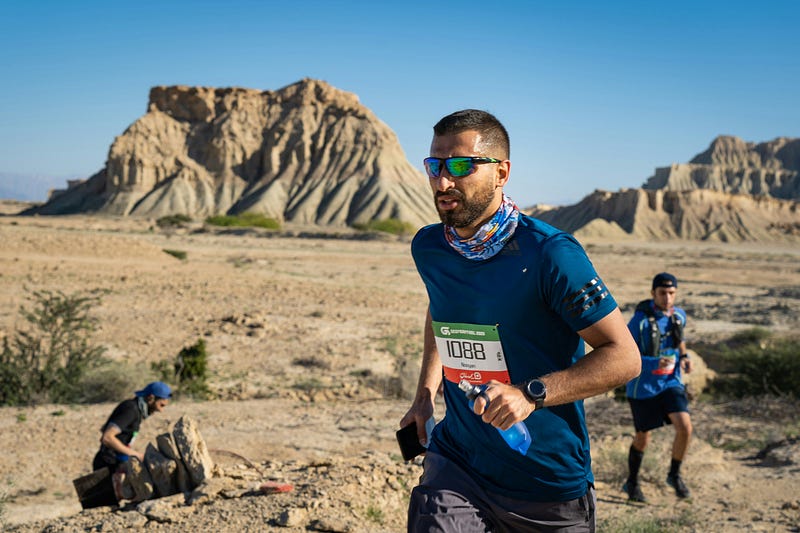
Editorial note: This story includes some sensitive descriptions.
Obsession is a powerful drug. It can lead normal people to find extraordinary results. With athletes, it can drive us to seek the outer edge of our capabilities. Obsession led me on a journey that took me to that edge and beyond.
I’ll warn you, my journey wasn’t pretty.
This isn’t a recommendation that you push yourself beyond a safe physical limit. It’s quite the opposite. It’s a glimpse into the dark side of pushing the body too far: the side that few people experience and even fewer talk about.
What is an endurance athlete?
There is no universally accepted definition of an endurance athlete.
It’s generally accepted as a person who participates in sports or activities that demand a lot of physical effort over a prolonged period. It means pushing through pain.
While we may not say it out loud, as endurance athletes, we pride ourselves on our ability to endure pain. At times, we even glamorize it.
So, why do we glamorize pushing through pain?
The problem with endurance events
David Goggins is an endurance athlete and bestselling author who has become wildly popular with his no-bullshit, just-get-the-job-done motivation style. His message is alluring.
He’s a former Navy SEAL with millions of social media followers known for pushing his body to unbelievable lengths. He once held the Guinness World Record for the most pull-ups done in 24 hours, completing 4,030 in 17 hours.
He’s broken bones during events and even urinated blood. It’s shared with fans as a badge of honor. It sends the message that if you’re not causing damage to your body, you’re not a real athlete.
The problem is that the message people like David Goggins sell you is only part of the story. What’s unsaid is that you can push your body to a point of no return — a point at which your body will not recover.
We don’t talk much about when to call it quits.
My past and training
I’d run dozens of endurance events in my 20s. I love being outdoors, particularly in the mountains, so trail running suited me well. My favorite events were 15–20k trail races.
I trained often. I usually ran five or six days weekly and did weight training four to five days. I kept that same routine into my 30s.
I worked as a detective in a large police department. Part of my job was to investigate criminal street gangs and hunt fugitives.
I took fitness seriously. Foot pursuits and fights were typical in my work, and staying fit could mean life or death. Fitness was more than a part of my lifestyle - it was my lifestyle.
The event that changed everything
At 37 years old, I entered an endurance event that changed everything. You’ve probably gathered that this was more than the usual trail run.
It spanned four days, and the organizers didn’t tell you anything about what those days would entail. All of the events were unknown. It would prove to be the most intense and demanding thing I’ve ever done.
For eight months prior to this event, my life revolved around training. I’d run 20 to 40 miles weekly in addition to another 6–12 hours of strength training. Most days, I had to run in the morning and work out in the evening.
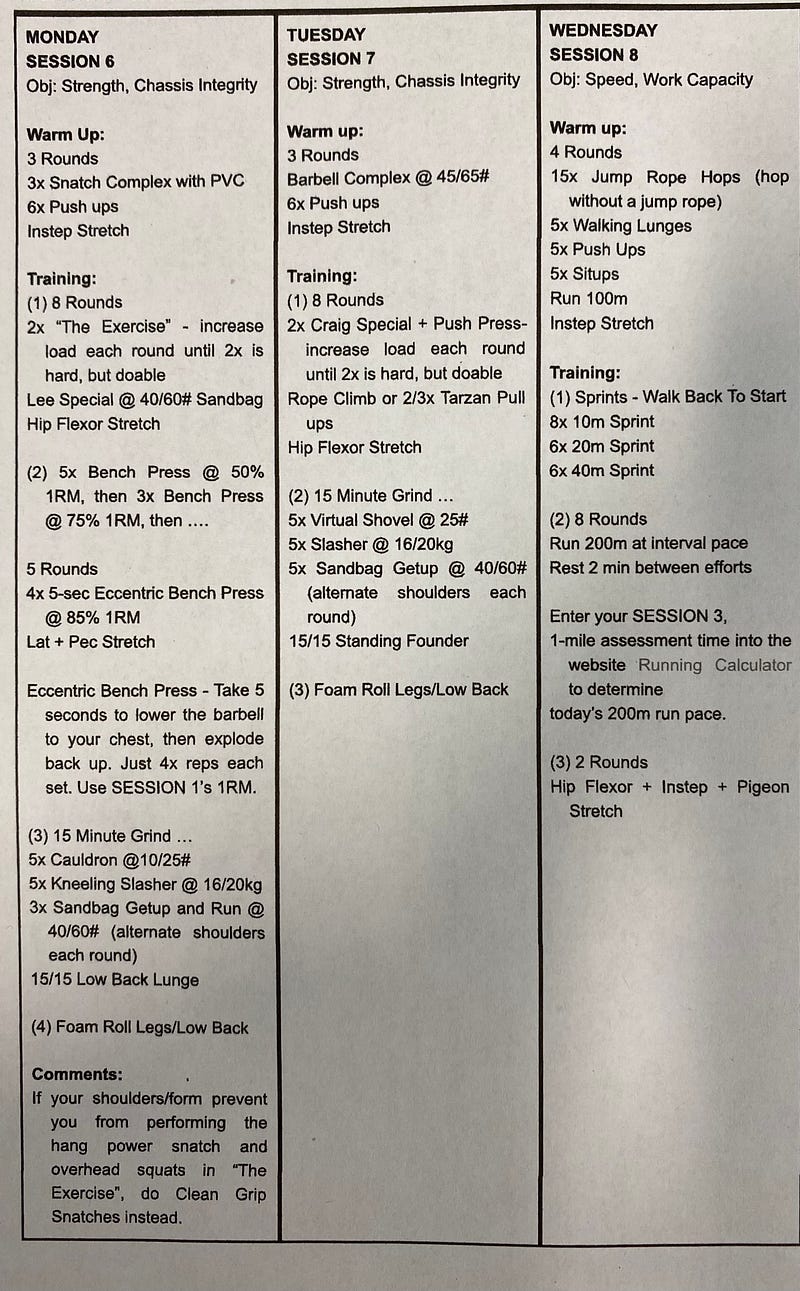
When the day came, I would be ready.
It would turn out that my fitness level was irrelevant. The event was designed to break either the mind or the body. Possibly both. My mind stayed strong, but eventually, my body proved to be a weak link.
I recall one day exceptionally well.
I started running under moonlight on a remote dirt road deep in the woods. It was 4 am. I’d watch the sunrise that morning. I’d also watch the sunset later that day — still running. I slept a total of 8–10 hours over those four days.
My best guess is that I ran 100 miles.
I did more squats, pull-ups, rope climbs, and pushups than I could have ever kept track of. Every muscle in my body was utterly exhausted. I liken it to a 200k trail race with exercise sprinkled in for fun.
Hallucinations
The lack of sleep takes its toll fast. The body fails to recover from the incredible physical demands, and the mind starts to mix reality with what I can only describe as dreams.
One moment, I would be running with someone just ahead of me. I’d try to catch them only to find out they weren’t there. You start to take seconds of sleep at a time while standing up.
One second, I’d be standing next to one person. The next, that person would be gone. I never saw them leave. The only explanation is that I’d fallen asleep for several seconds while standing up. Not something I knew I was capable of.
Extreme soreness
If you work out, you’re likely familiar with discomfort or delayed onset muscle soreness (DOMS). Mine became severe enough that I was only able to continue by taking enough ibuprofen to treat a miniature horse.
I had pain in muscles I didn’t know I had, and getting up after having laid still for more than a few minutes was nearly impossible.
Periodically foam-rolling the muscles became the only way to keep moving.
Body parts cease to function
I lost all feeling in my left leg while running down a remote dirt road. It happened instantly and without warning. I was familiar with cramps setting in on long runs, but this was a different animal.
One moment, I was running, and the next, I was skidding through the gravel on my side while looking up at the gray sky. I still don’t know why it happened.
I picked myself up and tried to run again, but it was as if my left leg was just an extra piece. With no feeling in my leg and no ability to move it, I began to hop on my good leg while dragging the other leg behind me. The feeling returned after a few minutes, and I could use it again. It was weak but functional.
Skin changes and the battle for hydration
I desperately tried to stay current with my hydration. I pushed in the fluids, sodium, and electrolytes as often as possible and in the most significant quantity my body would accept.
I still couldn’t keep up. With each hour that passed, I became more dehydrated. My urine became dark, and I worried about Rhabdomyolysis, or Rhabdo for short. Rhabdo is the worst fear of many endurance athletes.
Rhabdo occurs when damaged muscle tissue releases proteins and electrolytes into the blood. These substances can damage the heart and kidneys and cause permanent disability or death.
One of Rhabdo’s calling cards is dark urine. The medics never checked for it, but how I would feel after this event makes me think I was in the early stages. My skin wrinkled in a way that made me look ten years older.
My face and hands became almost unrecognizable at the end of the event, with wrinkles and lines that startled me when I looked in the mirror. Several of my toenails fell off. My face and body also seemed slightly swollen, as if every part of me had become inflamed.
Stomach issues and deterioration
Along with the challenge of getting enough fluids, getting enough calories was also tricky.
I didn’t keep up with my body’s needs. By day three, I felt burning in my esophagus, which I chalked up to acid reflux.
By day four, the burning intensified, and I noticed what seemed like bits of food in my mouth. Only I hadn’t eaten. My stomach lining was breaking down.
The aftermath
The first thing I did when the event ended was eat. I wandered into a McDonald’s and made a fool of myself. I looked like a zombie while I ordered three sandwiches, chicken nuggets, fries, and two apple pies.
The family sitting next to me looked horrified. I moved slowly for a week. Eventually, the soreness and swelling went away. My skin quickly returned to normal. However, not everything was sunshine and roses.
My ability to routinely exercise for over an hour never returned. I fatigue more quickly. I also have to exercise at a lower intensity than before the event. I constantly feel sluggish and tired.
A few months after the event, I went to a doctor to have blood work done. It didn’t show much, just an elevated white blood cell count. The doctors assumed my body was fighting off an illness but couldn’t tell me much more.
Conclusions and Takeaways
I never felt the same after those four days. I know aging is a part of the decline, but I suspect aging doesn’t tell the entire story. I pushed my body too far and ignored the signs it was giving me to tap out. There is a price to pay for that.
In endurance sports, we take pride in pushing our bodies to a zone beyond what we thought possible. That zone can be painful, but it’s full of growth. We pursue that zone because it’s there that we find out who we are.
We seek out pain.
Reflecting on the journey that reshaped my understanding of endurance, I realize that the most profound strength lies not in how far we push our bodies but in finding the courage to say, ‘This is far enough”.