
What Happened To The Last U.S. Ship Sunk in World War II
Their days were like hell.
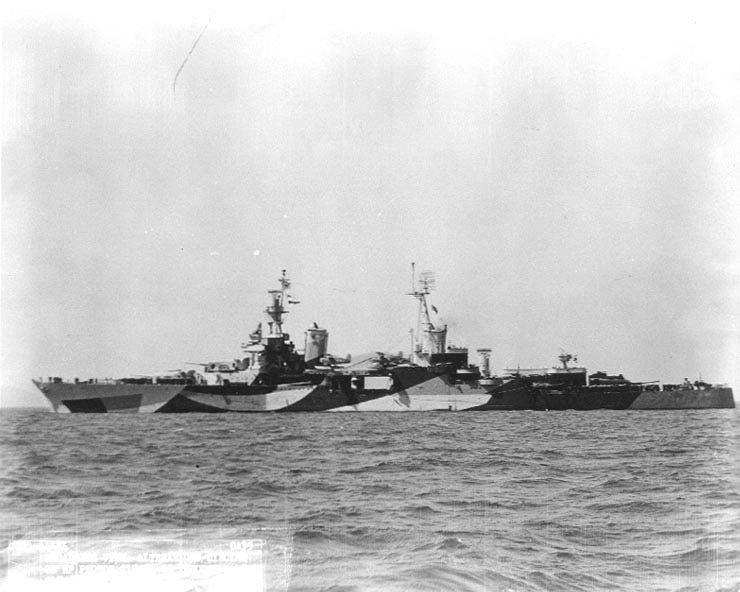

One story in World War II stands out as an enduring testament to human resilience and sacrifice: the tragic saga of the USS Indianapolis (CA-35). This American heavy cruiser embarked on a top-secret mission of utmost importance, only to meet its untimely demise at the hands of a Japanese submarine in the war’s waning days.
Sinking of the USS Indianapolis
The sinking of the USS Indianapolis on 30th July 1945 remains one of World War II’s most tragic and significant maritime disasters. After completing a top-secret mission to deliver vital components for the atomic bomb, the heavy cruiser was targeted by the Japanese submarine I-58 in the Philippine Sea.
Within a mere 12 minutes, two torpedoes struck the ship, causing it to sink into the ocean’s depths rapidly. The crew was ill-prepared for the disaster, as the ship failed to issue a distress call, leaving approximately 900 sailors to fight for their lives in the open water. This fateful event would test the resilience of the human spirit as the survivors endured unimaginable hardships while awaiting rescue, creating a legacy that would forever be etched in the annals of American naval history.
The Ordeal of the Survivors:
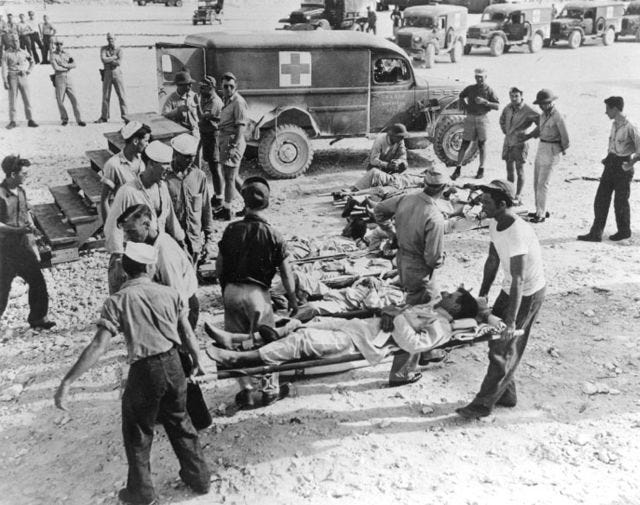

The ordeal faced by the survivors of the USS Indianapolis was a harrowing tale of resilience and courage. After the ship sank, approximately 900 crew members found themselves adrift in the vast expanse of the Philippine Sea, facing a desperate struggle for survival. Tragically, the lack of a distress call meant that rescue efforts were significantly delayed, leaving the men to endure days of unimaginable hardship.
Exposure to the scorching sun, dehydration, and the constant threat of shark attacks took a heavy toll on the stranded sailors. With little to sustain them, some survivors resorted to drinking seawater in a desperate bid to quench their thirst, unaware of the dire consequences it would bring. As the days passed, hope waned, and fear mounted as shark fins circled relentlessly, sensing the vulnerability of the men in the water.
Survivors clung together, supporting one another both physically and emotionally. Their sense of camaraderie and determination were the keys to their survival. Some shared stories of their lives and loved ones, while others found solace in prayers and thoughts of home.
Finally, after five agonizing days at sea, rescue became a routine aerial reconnaissance flight. Pilots spotted the survivors and immediately summoned help. When the rescue vessels arrived, they found relief and heartbreak around 300 men had endured the unforgiving conditions. Still, many others had succumbed to exhaustion, dehydration, and shark attacks.
Shark Attacks:
One of the most harrowing aspects of the USS Indianapolis sinking was the relentless shark attacks on the stranded sailors. Sharks surrounded the survivors, attracted by the blood in the water from injuries and fatalities, leading to many gruesome encounters. The survivors’ struggle to stay alive in shark-infested waters became a nightmare.
Court-Martial of Captain Charles McVay:
The court-martial of Captain Charles McVay following the sinking of the USS Indianapolis was a controversial and deeply scrutinized event. Accused of negligence in his command, McVay faced intense criticism for allegedly failing to take appropriate evasive actions to avoid the torpedo attack.
The trial spotlighted the complexities of wartime decision-making and the immense pressures naval commanders face during critical missions. Despite his challenges, McVay maintained his composure throughout the proceedings, defending his actions as best he could. The court’s guilty verdict weighed heavily on him, impacting his life significantly in the following years.
Nevertheless, the relentless efforts of the USS Indianapolis survivors, who passionately advocated for McVay’s exoneration, eventually led to a posthumous dismissal in 2000. The court-martial of Captain Charles McVay stands as a sad reminder of the moral dilemmas faced by those in command during wartime and the enduring impact of such decisions on their lives.
Discovery of the Wreckage:


The wreckage of the USS Indianapolis remained undiscovered for over 70 years after its sinking. In August 2017, Microsoft co-founder Paul Allen led a team to locate the wreck at a depth of over 18,000 feet in the Philippine Sea. The discovery brought renewed attention to the ship’s tragic fate and the heroism of its crew…
Please follow me subscribe to my profile for inspiring and entertaining stories and visit my referral link to get full stories