
Insulin resistance what foods to avoid
Hello, if you are reading this post, you should be aware that having obesity, type 2 diabetes, heart disease, stroke, irrectile dysfunction, diabetic kidney failure, and other conditions suggests that you have insulin resistance. Insulin resistance is caused by a high intake of certain food macronutrients.
What food macronutrients are a major issue in terms of causing insulin resistance?
You should be mindful that not all macronutrients cause insulin resistance. First and foremost, we must understand what the dietary macros are, and then we must determine which macro is the perpetrator and how it causes a problem and, in the long run, insulin resistance.
We are all familiar with three different sorts of macros. The macronutrients are simply the categories into which various foods are classified. Carbohydrates, proteins, and fats are the three macronutrients. Now you need to know what foods are found in each of these macronutrients so that we can determine which ones we should avoid consuming to avoid insulin resistance.
Each macronutrient’s foodstuffs, as well as their effects on your body’s insulin levels, are shown in the information that follow:
- Carbohydrates: By definition, any meal or food made with cereal, sugar, fruit, vegetables, grains, nuts, and so forth is a carbohydrate. You can use the energy from these foods as needed. What impact do carbohydrates have on insulin? Different carbohydrates react differently to insulin.
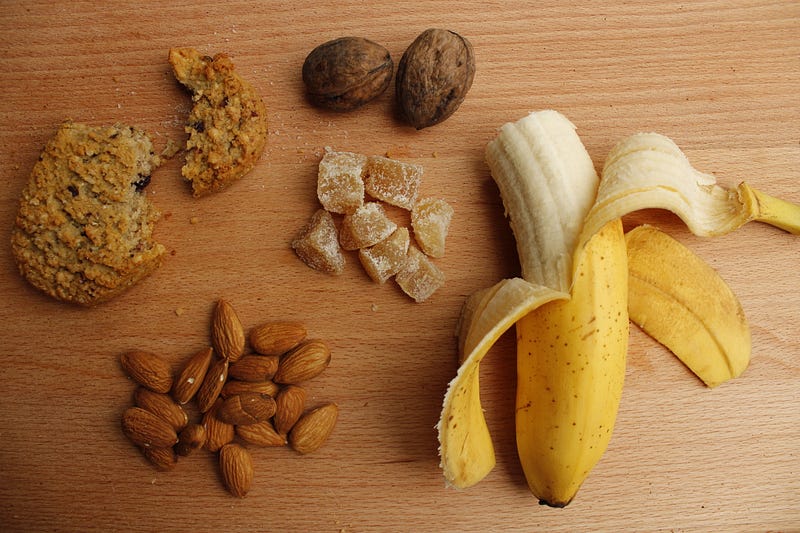
Carbohydrates with complex chains of sugars digest slowly because they contain fiber and are primarily natural. These carbohydrates do not cause as high insulin surge. For example, some fruits, such as grapes, cucumber, and so on, as well as all vegetables. The majority of plant-based proteins do not raise insulin levels.
2. Proteins: As mentioned in the last section of the earlier point, some proteins are plant-based, such as beans, peas, nuts, and so on. Plant-based protein sources, on the other hand, have no significant impact on protein synthesis when digested, absorbed, and incorporated into muscle cells. Only animal proteins include high-quality amino acids that promote protein muscle building. Examples of aninmal protein include eggs, meat, pork, checken, salmon, fish and so on. Proteins do not cause excessive insulin release as compared to carbohydrates. This indicates that proteins, particularly those derived from animals, have a lower influence on insulin.

3. Fats: Milk, meat, pork, cheese, avocado, nasturtium oil, and other foods contain fats. Insulin is barely or not at all affected by fats. This is so they don’t raise blood sugar levels. But some oils including soy oil, have been connected to heart disease. The best oils to buy for cooking are coconut oil and olive oil.
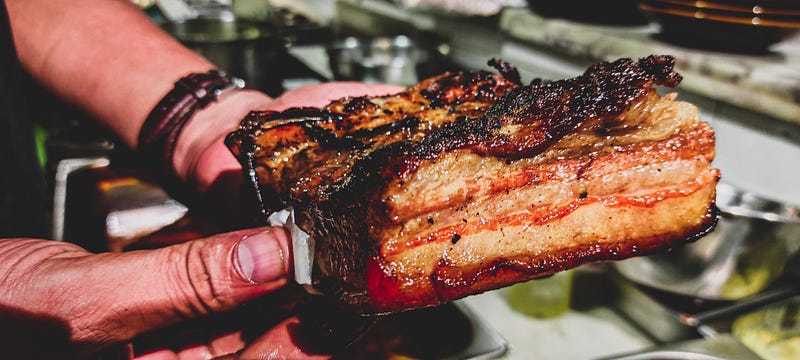
The three aforementioned considerations explain why people following a low-carb diet prefer to consume more foods that are high in protein and fat but low in or completely devoid of carbohydrates. This is merely a result of the fact that insulin levels tend to rise when glucose levels rise.
If your diet is high in carbohydrates and you eat frequently, you are setting yourself up for insulin resistance and will soon face reality. That is known as ripping what you were sawing. One of the chronic diseases described earlier will come to visit you one day. Do you want something like that to happen to you? What can you do to avoid a situation like this? If you have gained weight over the years, you will need to drop weight to resolve this insulin resistance.
Well, first if all how insulin plays a role in weight gain in order to know how to reverse insulin resistance and what exactly is the most effective strategy to make you lose weight. Once you tap into that little detail which you are about to hear in a moment, you will be relieved and be happy getting to know these guaranteed way to lose weight.
Insulin is a hormone which is produced from thw beta cells of the pancreas. It acts more like a sensor to the 3 different micronutrients earlier discussed. When you eat, insulin hormone is released from the pancreas, it goes into the blood and travels via bloodstream to all parts of the body. Insulin will affect some cells to open doors and allows micronutrients to enter. However, not all cells are controlled by insulin, some cell simply allow glucose for instance to enter without being aided by insulin. Once food inside the cell, food will being to be metabolism, that either broken down(catabolism)or build up into larger molecules(anabolism).
As we earlier discussed you now realise that carbohydrates spike blood sugar more than other macronutrients, this is because after digestion most carbohydrates turn into glucose and they raise the blood sugar level and hence the insulin is spiked. Nevertheless, I also mentioned to say that some carbohydrates have a lesser impact on insulin. Which carbohydrates spike insulin more and how does the body process the glucose after it enters the cell more especially if you eat too often.
Ultra processed foods sometimes known as junk or highly refined or fast foods are among the deadliest carbohydrates you can ever eat.
How do you know that this food is ultra processed?
They come in a box or package with preservatives added. If packaged food comese in a package and they fall under carbohydrate nutrients, it means they have passed through a lot of processing, they have being stripped out for other macronutrients namely fat or protein. Some food can have more than one macro. If other macronutrients have been removed, they even add more sugar and these highly refined foods become even more glucose and insulin spiking.
You also need to understand that insulin resistance does not occur overnight, it takes years for someone to even know they have insulin resistance, unless they have one of the conditions listen in the first paragraph. Infact most people don't know what insulin resistance is. What is insulin resistance and how does it affect your homeostasis? is it really dangerous?
How can insulin resistance develop? Insulin resistance is a condition that causes weight gain and the ravages of diseases that are believed to leave families widowed, widowers, and orphans. It all starts with something as simple and innocuous as eating. Not all foods can produce insulin resistance; nevertheless, most readily available foods can cause insulin to be high all the time, and if eating such foods becomes a habit, you can develop insulin resistance.
Elevated insulin is not actually a problem. A problem arises if you consistently experience an insulin increase throughout your life. However, insulin is used to maintain homeostasis, which is the process of keeping blood glucose levels within normal limits. Unfortunately, the majority of people regularly consume foods that boost insulin levels, which over time cause the body to become insulin resistant.
Why do carbohydrates affect insulin resistance so negatively?
In contrast to protein and fat, which only slightly increase insulin, carbohydrates significantly increase both glucose and insulin levels. If you consume too many carbohydrates over an extended period of time, you may start to develop insulin resistance and eventually diseases linked to it. For your knowledge, not all carbohydrates cause an increase in insulin that is harmful or likely to cause disease.
You are less likely to experience a significant insulin surge if you consume carbs like those found in some vegetables and fruits. However, if you consume junk or extremely processed foods, you are inviting insulin resistance into your home. Any packaged carbohydrate food will undoubtedly cause an insulin spike. If you consume them too frequently, you run the risk of having insulin resistance.
If you want to know more about insulin resistance, ⏩go here⏪ on another article entitled, '5 reasons to eat insulin sensitive foods.'
Which conditions are linked to insulin resistance?
Diabetes, heart disease, hypertension, stroke, fatty liver disease, renal failure, migraines, and so on are a few examples. The truth is that treating insulin resistance alone will not prevent these diseases. According to endocrinologist and researcher Dr. Ben Bikman, who holds a PhD, insulin resistance is a factor in practically all chronic diseases. Most chronic diseases have insulin resistance as their underlying cause. Just as insulin resistance does not occurr overnight, even insulin resistance reverse should not be expected to occur in a short time. It may take some time to repair your body homeostasis. This means you have to lose weight to reverse it and become healthy.
Here are some weight-loss and health-improvement tips:
1. Avoid sugary foods and drinks.
2. Avoid cooking and anything that contains flour.
3. Consume low-carb foods
4. practice intermittent fasting or timed feeding
5. 3 times per week, expose yourself to cold water for 3–5 minutes.
6. Consume tea
7. consume coffee
8. Don’t forget to season your dish with vinegar.
9. Increase your protein and healthy fat consumption.
If want to know the best diet that can improve your health, read the article entitled what is the best weight loss diet
Learn more ⏩Here⏪ about the tips and the best approach to lose weight.
Disclaimer:
Although thousands of people have found success with these techniques, they do not serve as a substitute for any therapy for obesity or any other chronic conditions linked to being overweight. You must be aware that they might not be effective for everyone. There is a chance that if you click a link while reading and purchase one of the items, I may receive a commission. However, the primary goal is to increase awareness of better health and weight loss for several other advantages. Do not forget to carefully read any disclaimers or notices on any linked websites.